
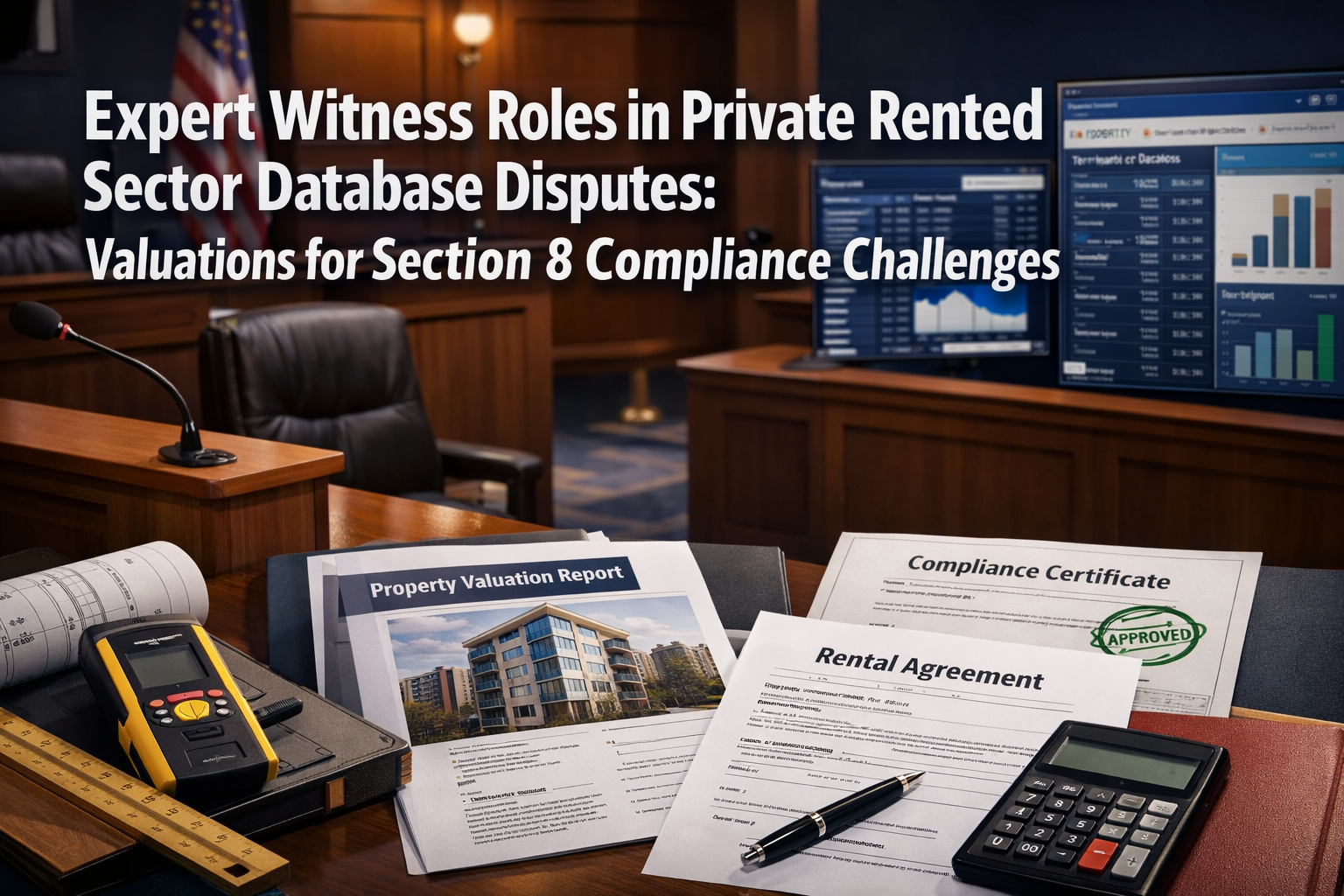
The intersection of landlord registration requirements and housing assistance programs has created a new battleground where property valuations determine legal outcomes. As the Private Rented Sector (PRS) Database becomes mandatory across England and Section 8 compliance challenges intensify, surveyors are increasingly called upon to provide expert testimony that can make or break landlord-tenant disputes. Understanding Expert Witness Roles in Private Rented Sector Database Disputes: Valuations for Section 8 Compliance Challenges has become essential for property professionals navigating this complex regulatory landscape in 2026.
The convergence of database registration requirements and housing voucher program standards demands specialized expertise that goes beyond traditional property assessment. Expert witnesses must now bridge technical valuation methodologies with regulatory compliance frameworks, providing courts and tribunals with credible evidence that determines case outcomes.
Key Takeaways
- 🏛️ Expert witnesses provide critical testimony on property valuations and compliance issues in PRS Database and Section 8 disputes, significantly influencing legal outcomes
- 📊 Surveyors must demonstrate specialized knowledge of both database registration requirements and housing assistance program standards to establish credibility
- ⚖️ Proper valuation methodologies following RICS Red Book standards are essential for expert testimony to withstand legal scrutiny
- 📋 Documentation and evidence preparation require meticulous attention to compliance requirements, property condition assessments, and market analysis
- 💼 Professional qualifications and independence are fundamental to expert witness credibility in landlord-tenant litigation
Understanding the Private Rented Sector Database Framework
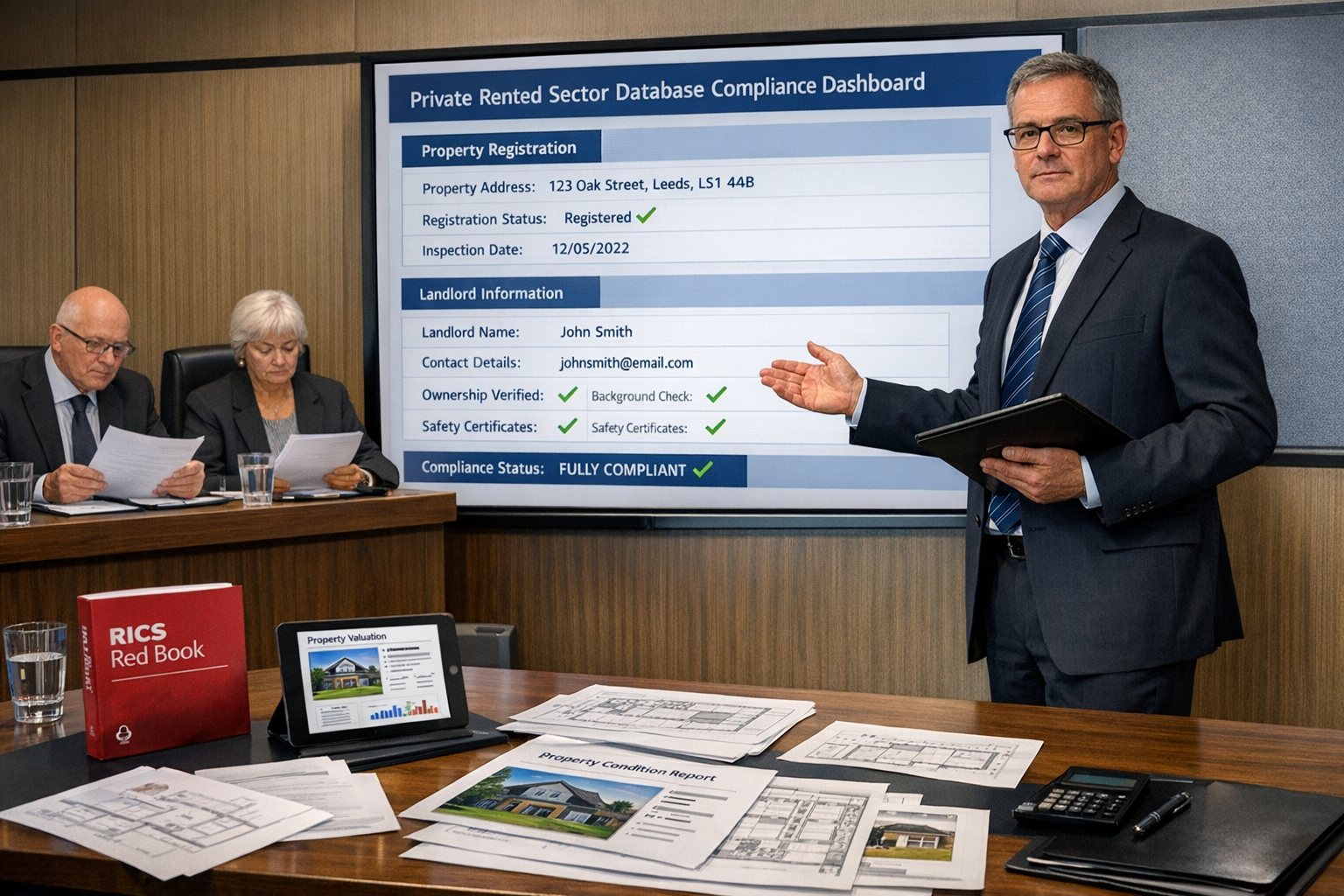
The Private Rented Sector Database represents a significant regulatory shift in how rental properties are monitored and managed. Introduced as part of broader housing reforms, the database requires landlords to register comprehensive information about their properties, including landlord identity, property details, and compliance documents[1].
What the PRS Database Requires
The database mandates specific information that landlords must provide and maintain:
- Property identification details including full address and property type
- Landlord and agent contact information with verification requirements
- Tenancy documentation demonstrating legal occupation
- Safety compliance certificates covering gas, electrical, and fire safety
- Energy Performance Certificate (EPC) ratings and improvement plans
- Licensing status where selective or additional licensing applies
This comprehensive registration system creates multiple points where disputes can arise, particularly when property valuations are challenged or compliance documentation is questioned.
Common Database Compliance Disputes
Landlords face several categories of disputes related to PRS Database requirements:
- Registration accuracy challenges – Questions about property descriptions or condition assessments
- Valuation disagreements – Disputes over rental values declared in database entries
- Compliance documentation gaps – Missing or outdated safety certificates
- Licensing requirement disputes – Disagreements about whether properties require additional licensing
Each of these dispute types may require expert witness testimony to resolve, particularly when technical property assessments are central to the case.
Section 8 Housing Assistance and Valuation Standards
Section 8 housing voucher programs operate under distinct regulatory frameworks that establish specific standards for property participation and rental valuations. Experts with Section 8 voucher experience can advise on regulatory compliance and administration[2], making their testimony valuable in disputes involving housing assistance programs.
Section 8 Compliance Requirements
Properties participating in housing voucher programs must meet established standards:
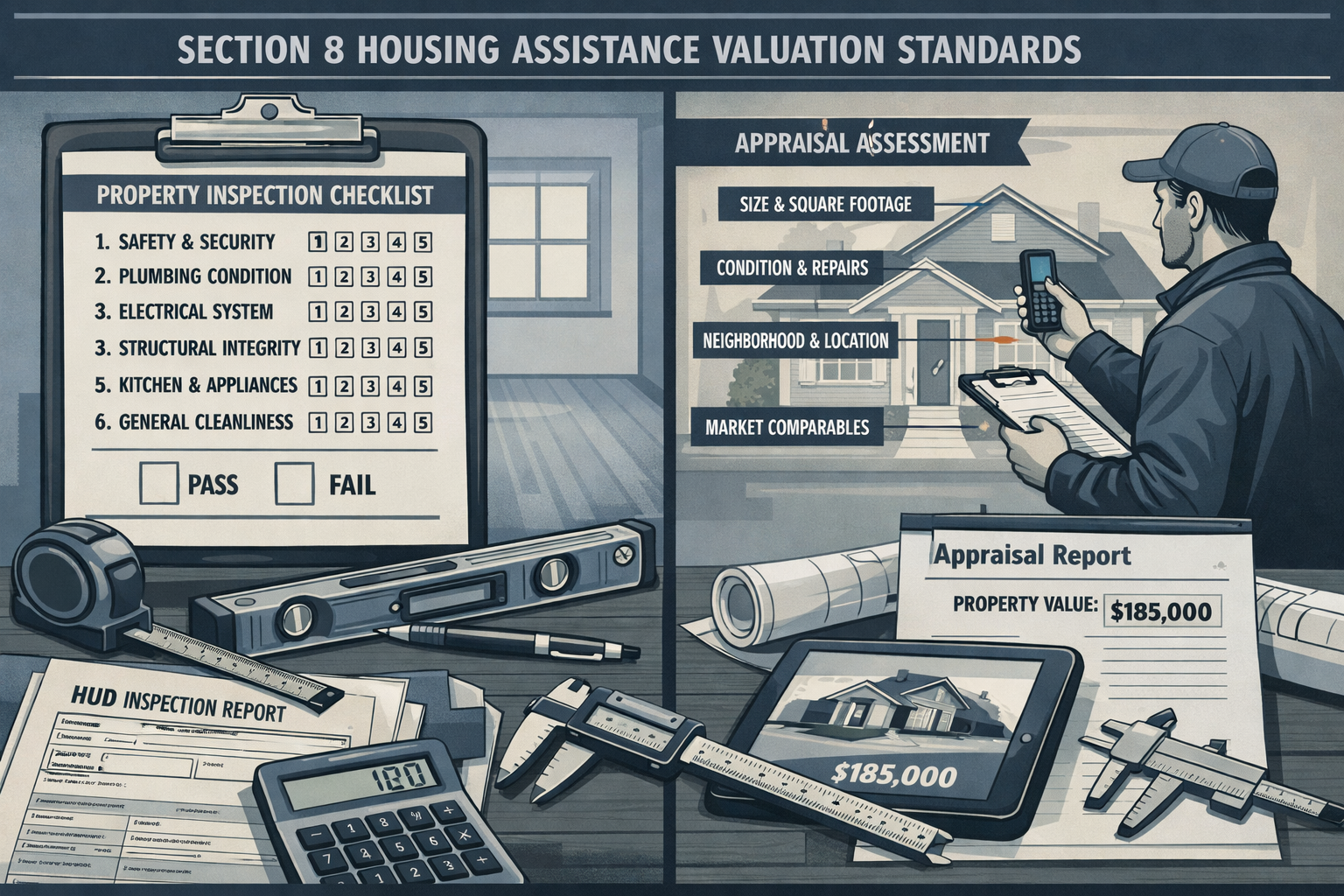
- Housing Quality Standards (HQS) inspections demonstrating habitability
- Rent reasonableness determinations comparing market rates
- Payment standards aligned with Fair Market Rent calculations
- Lease compliance with program-specific requirements
- Ongoing maintenance obligations ensuring continued eligibility
Valuation Challenges in Section 8 Cases
Disputes frequently arise around rental valuations for voucher program properties:
Rent Reasonableness Disputes 🏠
Housing authorities must determine whether proposed rents are reasonable compared to similar unassisted units. Expert witnesses provide comparative market analysis demonstrating whether valuations align with local rental markets.
Payment Standard Conflicts 💰
When landlords challenge payment standard calculations, surveyors offer professional opinions on whether established rates reflect actual market conditions and property values.
Property Condition Impact 🔧
Experts assess how property condition affects valuation, particularly when landlords dispute rent reductions based on HQS inspection findings.
Expert Witness Roles in Private Rented Sector Database Disputes: Valuations for Section 8 Compliance Challenges Explained
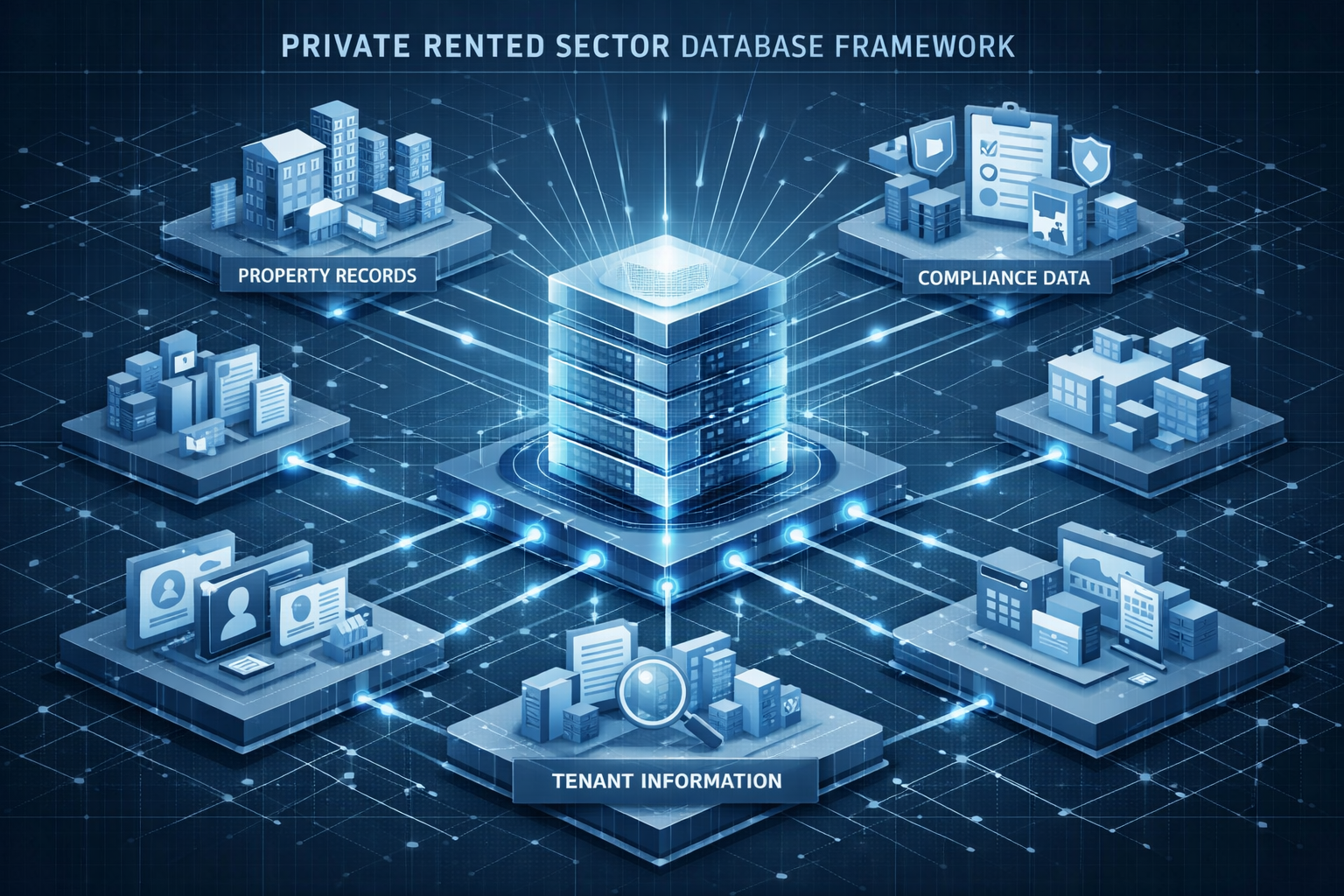
The role of expert witnesses in these disputes extends far beyond simple property valuation. Expert witnesses are utilized in residential leasing disputes to clarify industry standards and lease interpretation[3], providing courts with specialized knowledge that informs legal decisions.
Core Responsibilities of Expert Witnesses
Professional surveyors serving as expert witnesses undertake several critical functions:
Property Valuation and Assessment
Expert witnesses conduct comprehensive property evaluations following recognized methodologies. This includes:
- Detailed physical inspections documenting property condition
- Comparative market analysis establishing rental values
- Assessment of compliance with regulatory standards
- Evaluation of property features affecting valuation
- Analysis of market trends impacting rental rates
Professional surveyors bring technical expertise that helps tribunals understand complex valuation factors.
Compliance Documentation Review
Experts examine whether properties meet database registration and program participation requirements:
- Verification of safety certification validity
- Assessment of property condition against standards
- Review of licensing compliance documentation
- Evaluation of energy efficiency ratings
- Analysis of maintenance and repair histories
Expert Report Preparation
Written reports form the foundation of expert testimony, requiring:
- Clear methodology explanation – Detailed description of valuation approaches used
- Evidence-based conclusions – Findings supported by market data and inspections
- Professional standards adherence – Compliance with RICS Red Book and expert witness guidelines
- Objective analysis – Impartial assessment regardless of instructing party
- Comprehensive documentation – Supporting evidence including photographs, comparable properties, and calculations
Red Book valuations provide the professional framework ensuring expert opinions meet legal standards.
Establishing Credibility in Court
Expert witness credibility depends on several factors that courts and tribunals evaluate:
| Credibility Factor | Requirements | Impact on Case |
|---|---|---|
| Professional Qualifications | RICS membership, relevant certifications | Establishes technical competence |
| Relevant Experience | Track record in similar cases and property types | Demonstrates practical expertise |
| Independence | No financial interest in outcome | Ensures objectivity |
| Methodology | Recognized valuation approaches | Supports reliability of findings |
| Documentation | Comprehensive evidence and analysis | Strengthens testimony weight |
"The expert witness's primary duty is to the court or tribunal, not to the party instructing them. This independence is fundamental to the credibility and weight given to their evidence."
Testimony in Hearings and Tribunals
When disputes proceed to formal hearings, expert witnesses must:
- Present findings clearly to non-technical audiences
- Withstand cross-examination on methodology and conclusions
- Explain technical concepts in accessible language
- Defend professional opinions against opposing expert views
- Maintain objectivity under questioning pressure
The ability to communicate complex valuation issues effectively often determines whether expert testimony influences case outcomes.
Valuation Methodologies for Database and Section 8 Disputes
Proper valuation methodology forms the cornerstone of credible expert testimony. Surveyors must employ recognized approaches that withstand legal scrutiny.
Comparative Market Analysis
The most common valuation approach compares subject properties to similar rental units:
Selection Criteria for Comparables 📍
- Geographic proximity (typically within 1-mile radius)
- Property type and size similarity
- Condition and age comparability
- Amenity and feature alignment
- Recent transaction timing (within 6-12 months)
Adjustment Factors
Experts make adjustments for differences between subject and comparable properties:
- Size variations (per square foot adjustments)
- Condition differences (repair cost considerations)
- Location factors (neighborhood quality variations)
- Amenity differences (parking, outdoor space, upgrades)
- Market timing (rent trend adjustments)
Income Approach Considerations
For investment property disputes, experts may employ income-based valuations:
- Gross rent multiplier analysis comparing rental income to property values
- Capitalization rate calculations determining investment returns
- Operating expense assessments evaluating property profitability
- Vacancy and collection loss factors affecting income projections
Cost Approach Applications
When property condition is disputed, cost-based assessments help establish:
- Replacement cost estimates for property improvements
- Depreciation calculations reflecting age and condition
- Repair cost evaluations impacting rental values
- Compliance upgrade expenses necessary for program participation
Navigating Specific Dispute Scenarios
Different dispute types require tailored expert witness approaches.
Database Registration Accuracy Challenges
When landlords dispute property descriptions or valuations in PRS Database entries:
Expert Witness Role:
- Conduct independent property inspection
- Verify accuracy of registered information
- Assess whether property characteristics are correctly documented
- Provide opinion on appropriate property classification
- Evaluate compliance with registration requirements
Key Evidence:
Property surveys, photographic documentation, comparable property analysis, regulatory guidance interpretation
Rent Reasonableness Disputes
Section 8 rent reasonableness determinations frequently lead to disputes requiring expert testimony:
Expert Witness Role:
- Perform comprehensive market rent analysis
- Identify and analyze comparable unassisted rental properties
- Assess property features affecting rental value
- Evaluate whether proposed rents align with market rates
- Consider local market conditions and trends
Key Evidence:
Rental listings, lease agreements for comparable properties, market trend data, property feature assessments
Compliance Standard Conflicts
Disputes over whether properties meet Housing Quality Standards or database compliance requirements:
Expert Witness Role:
- Inspect property against applicable standards
- Document compliance deficiencies or confirmations
- Assess repair costs for bringing properties into compliance
- Evaluate impact of condition issues on rental value
- Provide opinion on reasonable compliance timelines
Key Evidence:
Inspection reports, repair cost estimates, regulatory standard interpretations, condition photographs
Understanding boundary disputes and associated costs can provide useful context for property-related legal proceedings.
Professional Standards and Ethical Obligations
Expert witnesses must adhere to strict professional standards governing their conduct and testimony.
RICS Expert Witness Requirements
The Royal Institution of Chartered Surveyors establishes clear expectations:
- Competence – Only accept instructions within areas of expertise
- Independence – Maintain objectivity regardless of instructing party
- Transparency – Disclose any conflicts of interest or limitations
- Thoroughness – Conduct comprehensive investigations and analyses
- Clarity – Communicate findings in clear, understandable language
Civil Procedure Rules Compliance
Expert witnesses must understand and follow procedural requirements:
- Primary duty to the court – Experts serve the tribunal, not clients
- Statement of truth – Reports must include declarations of accuracy
- Material facts disclosure – All relevant information must be included
- Opinion basis – Clear explanation of reasoning and methodology
- Range of opinion – Acknowledgment of alternative views where appropriate
Professional Indemnity Insurance
Given the potential liability exposure, expert witnesses require appropriate insurance coverage:
- Minimum coverage levels typically £250,000 to £1,000,000
- Expert witness-specific policies covering testimony activities
- Professional negligence protection for valuation errors or omissions
- Coverage verification often required by instructing solicitors
Preparing Effective Expert Reports
The written expert report serves as the primary vehicle for presenting opinions to courts and tribunals.
Essential Report Components
Comprehensive expert reports include:
- Executive Summary – Concise overview of key findings and conclusions
- Instructions Received – Clear statement of questions to be addressed
- Qualifications and Experience – Relevant credentials and expertise
- Property Description – Detailed account of subject property characteristics
- Inspection Details – Date, scope, and findings of property examination
- Methodology Explanation – Valuation approaches and analytical methods used
- Market Analysis – Comparable properties and market trend evaluation
- Findings and Opinions – Clear conclusions supported by evidence
- Supporting Documentation – Appendices with photographs, data, calculations
- Declaration of Truth – Statement of accuracy and duty to tribunal
Common Report Pitfalls to Avoid
Expert witnesses should guard against these frequent mistakes:
❌ Advocacy – Presenting arguments rather than objective analysis
❌ Insufficient evidence – Conclusions not adequately supported by data
❌ Unclear methodology – Failing to explain valuation approaches
❌ Omitting contrary evidence – Ignoring information that contradicts opinions
❌ Technical jargon – Using terminology without explanation
❌ Incomplete inspections – Failing to examine relevant property aspects
❌ Outdated comparables – Relying on stale market data
Report Review and Quality Assurance
Before submission, expert reports should undergo rigorous review:
- Peer review by qualified colleagues checking methodology and conclusions
- Legal review by instructing solicitors ensuring procedural compliance
- Fact verification confirming accuracy of all data and statements
- Clarity assessment ensuring accessibility to non-technical readers
- Completeness check verifying all required elements are included
Cost Considerations and Fee Structures
Understanding the financial aspects of expert witness engagement helps parties budget appropriately for disputes.
Typical Fee Arrangements
Expert witnesses typically charge using several models:
Hourly Rates ⏰
Most common approach, with rates varying by:
- Expert qualifications and experience (£150-£400+ per hour)
- Geographic location and local market rates
- Case complexity and specialization required
- Preparation, inspection, and testimony time
Fixed Fees 💷
Some experts offer fixed prices for specific services:
- Standard property inspections and reports
- Straightforward valuation assignments
- Routine compliance assessments
Retainer Arrangements 📋
For ongoing cases or multiple properties:
- Monthly or case-based retainers
- Reduced hourly rates for retained experts
- Priority scheduling and availability
Factors Affecting Expert Witness Costs
Several variables influence total expert witness expenses:
- Case complexity – Simple valuations vs. multi-property disputes
- Geographic scope – Travel requirements and inspection locations
- Timeline urgency – Expedited reports command premium fees
- Hearing attendance – Court appearance time and preparation
- Additional services – Site visits, supplemental reports, conferencing with opposing experts
Parties should budget for total costs including inspection fees, report preparation, and potential testimony time. Understanding boundary dispute costs provides useful context for property-related legal expenses.
Recent Developments and Case Law
The evolving regulatory landscape continues to shape expert witness roles in rental sector disputes.
2025 Landmark Cases
Recent case law has established important precedents for expert testimony in landlord-tenant disputes. The Emmons v. Jesso case from 2025 demonstrates how leasing expert witness testimony shapes outcomes in residential lease disputes[3], highlighting the critical role professional opinions play in legal determinations.
Renters' Rights Act 2024 Implications
The Renters' Rights Act, which became law in 2024, introduces significant changes affecting expert witness roles[8]:
- Enhanced enforcement mechanisms increasing dispute frequency
- New compliance obligations requiring expert interpretation
- Expanded tenant protections creating additional challenge grounds
- Database integration requirements affecting registration disputes
- Strengthened quality standards necessitating expert assessments
These legislative changes have expanded the scope and frequency of cases requiring expert witness testimony on PRS Database and housing assistance compliance issues.
Emerging Trends in 2026
Current developments shaping expert witness practice include:
- Digital evidence integration – Use of property technology data in valuations
- Remote inspection protocols – Virtual assessment methodologies gaining acceptance
- Data analytics emphasis – Sophisticated market analysis tools enhancing credibility
- Sustainability considerations – Energy efficiency impact on rental valuations
- Regulatory complexity – Increasing specialization required for expert witnesses
Selecting the Right Expert Witness
Parties involved in PRS Database or Section 8 disputes must carefully choose expert witnesses to maximize case success.
Essential Qualifications to Seek
Look for experts with:
✅ RICS Chartered Status – Professional accreditation demonstrating competence
✅ Relevant Specialization – Experience in residential rental valuations
✅ Expert Witness Training – Formal education in testimony and report preparation
✅ Local Market Knowledge – Familiarity with specific geographic areas
✅ Regulatory Expertise – Understanding of PRS Database and Section 8 requirements
✅ Litigation Experience – Track record of court and tribunal appearances
✅ Professional Insurance – Adequate coverage for expert witness activities
Questions to Ask Potential Experts
When vetting expert witnesses, inquire about:
- How many similar cases have you handled as an expert witness?
- What is your experience with PRS Database compliance issues?
- Do you have specific Section 8 housing program expertise?
- What valuation methodologies do you typically employ?
- Can you provide references from previous instructing solicitors?
- What is your availability for inspections and hearings?
- How do you ensure independence and objectivity?
- What are your fee structures and estimated costs?
Red Flags to Avoid
Be cautious of experts who:
🚩 Guarantee specific outcomes or results
🚩 Lack relevant professional qualifications
🚩 Have limited expert witness experience
🚩 Show bias toward landlords or tenants
🚩 Cannot explain methodology clearly
🚩 Refuse to disclose potential conflicts
🚩 Provide incomplete or vague credentials
Working with qualified surveyors ensures access to properly credentialed professionals.
Practical Tips for Working with Expert Witnesses
Maximizing the value of expert witness engagement requires effective collaboration.
For Legal Representatives
Solicitors instructing expert witnesses should:
- Provide clear instructions specifying questions to be addressed
- Share all relevant documentation including leases, inspection reports, and correspondence
- Establish realistic timelines allowing adequate preparation time
- Facilitate property access coordinating inspection scheduling
- Maintain regular communication throughout the engagement
- Review draft reports providing feedback before finalization
- Prepare experts for hearings discussing likely cross-examination topics
For Landlords and Property Owners
Property owners involved in disputes should:
- Cooperate fully with expert inspections and information requests
- Provide complete documentation including maintenance records and compliance certificates
- Avoid interference allowing experts to conduct independent assessments
- Understand the process recognizing experts serve the tribunal, not parties
- Budget appropriately for expert fees and related costs
- Consider settlement when expert opinions suggest weak positions
For Tenants and Housing Advocates
Tenants and their representatives should:
- Document issues thoroughly with photographs and written records
- Preserve evidence of property conditions and communications
- Respond promptly to expert information requests
- Attend inspections when possible to highlight concerns
- Understand limitations of what expert opinions can address
- Seek qualified representation to effectively utilize expert testimony
Conclusion
Expert Witness Roles in Private Rented Sector Database Disputes: Valuations for Section 8 Compliance Challenges represent a critical intersection of property valuation expertise and regulatory compliance knowledge. As the PRS Database framework continues to evolve and housing assistance programs face increasing scrutiny, the demand for qualified surveyors who can provide credible expert testimony will only intensify.
Professional surveyors serving as expert witnesses bridge the gap between technical property assessment and legal proceedings, offering courts and tribunals the specialized knowledge necessary to resolve complex disputes. Their independent, evidence-based opinions on property valuations, compliance standards, and regulatory requirements significantly influence case outcomes, affecting both landlords' obligations and tenants' rights.
Key Success Factors
Effective expert witness practice in this specialized area requires:
- Rigorous professional standards adherence to RICS guidelines and ethical obligations
- Comprehensive technical expertise in property valuation and regulatory compliance
- Clear communication skills translating complex concepts for legal audiences
- Meticulous documentation supporting opinions with robust evidence
- Unwavering independence maintaining objectivity regardless of instructing party
Next Steps for Property Professionals
For surveyors considering expert witness work:
- Pursue specialized training in expert witness procedures and report writing
- Develop regulatory expertise in PRS Database and housing assistance programs
- Build litigation experience starting with straightforward cases
- Maintain professional development staying current on legislative changes
- Obtain appropriate insurance covering expert witness activities
- Network with legal professionals establishing relationships with instructing solicitors
For parties involved in disputes:
- Engage qualified experts early allowing adequate preparation time
- Provide complete information facilitating thorough analysis
- Understand cost implications budgeting appropriately for expert services
- Consider settlement opportunities when expert opinions suggest unfavorable outcomes
- Respect the process recognizing experts' duties to tribunals
The growing complexity of rental sector regulation ensures that expert witnesses will remain essential to resolving disputes fairly and efficiently. By understanding their roles, responsibilities, and methodologies, all parties can navigate PRS Database and Section 8 compliance challenges more effectively, ultimately supporting a more transparent and equitable rental housing market.
Whether you're a property professional, legal representative, landlord, or tenant, recognizing the value of properly qualified expert witnesses and engaging them appropriately will significantly enhance your ability to address compliance challenges and achieve favorable dispute resolutions in 2026 and beyond.
References
[1] Part 2 – https://www.augustapp.com/renters-rights/part-2
[2] Public Housing – https://www.expertinstitute.com/expert-witness/public-housing/
[3] Leasing Expert Witness Testimony Shapes Outcome In Emmons V Jesso A Landmark Expert Witness Case – https://www.expertwitnessblog.com/leasing-expert-witness-testimony-shapes-outcome-in-emmons-v-jesso-a-landmark-expert-witness-case/
[4] Landlord Tenant S 526 – https://www.jurispro.com/category/landlord-tenant-s-526
[5] Landlord Tenant Expert Witness – https://seakexperts.com/keywords/landlord-tenant-expert-witness
[6] Hud Oig Written Testimony Hfs June 2024 508 – https://www.hudoig.gov/sites/default/files/2024-06/hud_oig_written_testimony_hfs_june_2024_508.pdf
[7] Low Income Housing – https://www.forensisgroup.com/forensis-expert-witness/expertise/low-income-housing
[8] Renters Rights Bill Becomes Law What Landlords Need To Know – https://axis.lawyer/renters-rights-bill-becomes-law-what-landlords-need-to-know/