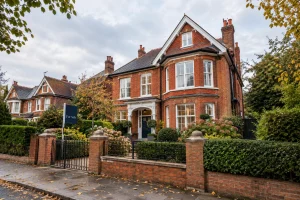
Rents in Wimbledon's corner of the capital are climbing at their fastest half-year pace in nearly three years, and the culprit is not simply demand. According to figures attributed to Knight Frank and reported by Landlord Today on 4-5 October 2026, the prime outer London rents rise Knight Frank Renters Rights Act Wimbledon landlords October 2026 story is really about regulation reshaping supply. Average rents across prime outer London (POL), the band that includes SW19, rose 3% in the year to September 2026 and 2.3% over the last six months alone, the fastest six-month increase since January 2024.
For landlords, tenants and buy-to-let investors across Wimbledon, this is not an abstract statistic. It signals a market where fewer homes are coming up for let, competition among tenants is intensifying, and the financial and legal risks of letting a property have both grown. This article unpacks what the data means locally and where a RICS chartered surveyor fits into the decisions landlords and buyers now face.
Key Takeaways
- Prime outer London rents, including Wimbledon, rose 3% year-on-year and 2.3% over six months to September 2026, the fastest half-year rise since January 2024, per Knight Frank.
- New rental listings in prime outer London fell 6.4% year-on-year, while Knight Frank's tenant-to-available-property ratio hit 8.9 in POL, higher than during the pandemic.
- Knight Frank links rising rents partly to the Renters' Rights Act (effective May 2026), calling the trend "an unintended but predictable consequence" as landlords price in regulatory risk and some exit the sector.
- Buy-to-let mortgage costs have risen sharply, with five-year fixed rates at 75% LTV up from 3.88% in January 2026 to around 4.7% by August 2026.
- A RICS market rent assessment and a professional schedule of condition are practical tools for Wimbledon landlords navigating new Section 13 rent-increase rules and tenancy disputes.
Prime Outer London Rents Rise: What Knight Frank's October 2026 Data Means for Wimbledon Landlords
Wimbledon sits within Knight Frank's prime outer London category, a band of commuter-friendly, higher-value suburbs where rental demand has historically tracked professional relocation and school-term timing. The latest figures suggest something structural is now layered on top of that seasonal pattern.

New rental listings across prime outer London fell 6.4% year-on-year to August 2026, even as demand held firm. Knight Frank's tenant-to-available-property ratio reached 8.9 in POL in the three months to September, a figure the firm says is higher than at the peak of pandemic-era rental scarcity. In prime central London, the ratio reached 5.6, its highest level in four years, with PCL rents up 1.3% year-on-year and 1.8% over six months.
Separate data from Hello Neighbour, also reported on 5 October 2026, reinforces the picture for Greater London as a whole: average advertised rents reached £2,448 in September 2026, up 6.1% year-on-year. London-wide rental supply was 6% lower than a year earlier, with inner London supply down a sharper 13%. Enquiries per available property fell to 34, down from 45 a year earlier, fewer homes, but still intense competition for each one.
For Wimbledon specifically, this translates into a tighter, pricier lettings market where well-presented family houses and flats near the Common, the Village and the station are likely to attract multiple applicants quickly.
The Renters' Rights Act and Prime Outer London Rents Rise: Why Knight Frank Flags Wimbledon Landlords' Dilemma
Knight Frank's own assessment is notable for its candour. The firm describes the rent increases as "an unintended but predictable consequence" of the Renters' Rights Act, which took effect in May 2026. Many landlords, it says, have responded by raising asking rents to offset perceived regulatory and financial risk, while others have chosen to leave the sector altogether, shrinking supply further.
This matters directly for prime outer London rents rise Knight Frank Renters Rights Act Wimbledon landlords October 2026 decision-making because the Act changed several practical mechanics of letting:
- Section 21 "no-fault" evictions have been abolished, with landlords needing statutory grounds to regain possession.
- Rent increases now typically require a Section 13 notice, and tenants have a clearer route to challenge increases they consider excessive through a tribunal.
- A new landlord database is being introduced, adding a registration cost of £65 per property per year from December 2026, according to the National Residential Landlords Association (NRLA), reported 5 October 2026.
Combined with rising borrowing costs, Knight Frank notes that five-year fixed buy-to-let mortgage rates at 75% loan-to-value climbed from 3.88% in January 2026 to around 4.7% by August 2026, the cost and compliance burden of holding a rental property in SW19 has increased on several fronts simultaneously.
Hold, Re-let or Sell: Decisions Facing Wimbledon Landlords
With fewer landlords willing to stay in the market and competition among tenants rising, SW19 landlords broadly face three paths.
Hold and re-let at market rent. Given the tenant-to-property ratio of 8.9 in POL, demand for a well-maintained Wimbledon property is unlikely to be the constraint. The challenge is pricing the rent correctly and defensibly, particularly given tenants' new right to challenge increases.
Sell into a firmer sales market. Some landlords are exiting as borrowing costs rise and compliance obligations grow. If selling, an accurate pre-sale valuation and condition assessment help set a realistic asking price and flag issues before they derail a sale. A Red Book valuation provides an independent, professionally compliant figure that can support pricing, probate, or portfolio restructuring decisions.
Re-let but review the whole portfolio. For landlords with several SW19 properties, this is a reasonable moment to review rent levels across the portfolio against comparable local evidence, rather than relying on anecdotal "market feel", especially with a tribunal challenge route now in play.
Whichever path is chosen, understanding the building's condition and local market evidence is the common thread, which is where RICS-qualified input adds genuine value. For broader local context on surveying standards in the area, see this overview of Wimbledon property surveyors.
Setting a Defensible Rent: RICS Market Rent Assessments and Section 13 Notices
Under the Renters' Rights Act, a tenant served with a Section 13 rent-increase notice can refer it to the First-tier Tribunal if they believe it exceeds the market rate. The tribunal's job is to determine what a property could reasonably achieve if re-let today, not what a landlord simply hopes to charge.

This is precisely the gap a professional market rent assessment is designed to fill. An independent rent review from a RICS-qualified surveyor provides:
- A reasoned, evidence-based rent figure drawn from comparable local lettings in Wimbledon and SW19.
- Documentation that can support a landlord's position if a tenant challenges a Section 13 notice.
- A basis for setting rent at renewal that reflects genuine market movement rather than guesswork, reducing the risk of a successful tribunal challenge.
"Landlords who can show their rent figure was independently assessed, rather than arbitrarily set, are in a far stronger position if a tenant disputes an increase."
Given that POL rents have moved by 2.3% in just six months, relying on last year's rent as a benchmark risks either under-pricing a let or over-reaching in a way that invites a tribunal referral.
Protecting Landlords: Schedule of Condition and Inventory Reports
Disputes over deposits, damage and wear-and-tear remain one of the most common friction points between landlords and tenants, and the Renters' Rights Act's tighter possession rules make it more important than ever to document a property's condition properly at the start and end of a tenancy.
A professional schedule of condition, prepared before a tenancy begins, creates an objective, dated record of the property's state, walls, floors, fixtures, fittings and any pre-existing defects. This is distinct from a basic inventory checklist and carries more evidential weight if a dispute arises later. The principle is closely related to the schedules used in commercial lease disputes, as explained in this guide to dilapidations and Section 18 valuations, where documented condition evidence is central to resolving end-of-term disagreements.
For Wimbledon landlords, a condition report also supports:
- Faster, better-evidenced deposit resolution at the end of a tenancy.
- A clear baseline for distinguishing damage from fair wear and tear.
- Stronger footing if a possession claim or dispute reaches a tribunal.
Tenants in SW19: More Competition, Higher Rents
For tenants, the figures paint a demanding picture. An 8.9 tenant-to-property ratio in prime outer London means multiple applicants are typically competing for each available home, and falling listings mean fewer options to compare. The Hello Neighbour data's drop in enquiries per property, from 45 to 34 year-on-year, suggests the market is thinning out rather than cooling, fewer homes are listed, but demand per listing remains intense.
Tenants in Wimbledon should expect:
- Asking rents that may have risen noticeably since their last tenancy began.
- A need to act quickly on suitable properties, given reduced choice.
- A statutory right to challenge a rent increase they believe is above market rate, via the tribunal process under the new Act, though outcomes depend on the specific evidence presented by both sides.
Buyers Eyeing Ex-Rental Stock in Wimbledon
As some landlords exit the sector, more ex-rental properties are likely to come to the sales market in SW19 over the coming months. These can represent good value, but they warrant particular scrutiny. Tenanted and recently tenanted properties sometimes carry wear not immediately visible on a viewing, and leasehold flats bring additional checks around service charges and lease terms.
Buyers considering such stock should budget for an independent survey. A RICS Level 2 HomeBuyer Survey is well suited to flats and conventional houses in reasonable condition and can flag issues a letting agent's photographs would never reveal. For leasehold flats specifically, this leasehold buying checklist covers lease length, ground rent and service charge questions worth raising before exchange. Understanding why independent, RICS-regulated advice matters is covered in this overview of why choosing RICS surveyors makes a difference to buyers and landlords alike.
Frequently Asked Questions
Does the Renters' Rights Act directly cause rent rises?
Knight Frank attributes part of the rise to the Act's effects on landlord behaviour, some raising rents to offset risk, others leaving the market, rather than claiming the Act sets rents directly. This is Knight Frank's analysis, not a statement of legal cause and effect.
What is a Section 13 notice and can tenants challenge it?
A Section 13 notice is the formal mechanism landlords use to propose a rent increase. Under the new rules, tenants can refer a disputed increase to the First-tier Tribunal, which assesses what the property could achieve on the open market. This article is general information, not legal advice.
Why does Wimbledon count as "prime outer London"?
Knight Frank classifies higher-value commuter suburbs, including Wimbledon, within its prime outer London (POL) index, distinct from prime central London (PCL) boroughs.
How much will the new landlord database cost?
According to the NRLA, reported 5 October 2026, registration will cost £65 per property per year from December 2026, in addition to existing compliance costs.
Should Wimbledon landlords get a rent assessment before raising rent?
An independent market rent assessment provides evidence to support a proposed increase and can strengthen a landlord's position if a tenant challenges a Section 13 notice at tribunal, though it does not guarantee a particular tribunal outcome.
Are ex-rental properties in Wimbledon worth buying?
They can offer good value, but an independent survey helps identify condition issues and, for flats, lease-related considerations before committing to purchase.
Conclusion
The headline from Knight Frank's October 2026 data is clear: prime outer London rents, including those in Wimbledon, are rising faster than at any point since early 2024, driven in large part by shrinking supply under the new regulatory regime of the Renters' Rights Act. For landlords, that means greater scrutiny of rent-setting, tenancy documentation and portfolio strategy. For tenants, it means sharper competition and a formal route to challenge unjustified increases. For buyers, it means more ex-rental stock entering the market, often needing closer inspection.
Whatever position you hold in Wimbledon's rental market, independent, RICS-regulated evidence, a market rent assessment, a schedule of condition, or a pre-sale valuation, is the practical first step toward a defensible, well-informed decision. Contact Wimbledon Surveyors to discuss a rental valuation, schedule of condition, or pre-sale valuation for your SW19 property.
prime outer London rents, Knight Frank rental data, Renters Rights Act, Wimbledon landlords, SW19 property market, buy-to-let mortgage rates, Section 13 notice, RICS market rent assessment, schedule of condition, ex-rental property buyers, London rental supply, landlord database NRLA