
A single line buried in the Autumn Budget has just made saving in a Lifetime ISA far less risky for anyone buying above £450,000 in SW19. From 29 October 2026, the Lifetime ISA withdrawal charge 20% first home over £450,000 rule replaces the old 25% penalty, and for buyers in Wimbledon, where many homes sit comfortably above that cap, the difference is real money kept in their pocket.
Chancellor John Healey delivered the Autumn Budget on 28 October 2026, and among the housing measures was this targeted change to Lifetime ISA rules. It will not fix affordability on its own, but it removes one of the harshest traps facing first-time buyers who saved diligently only to find their dream home priced just over the old £450,000 threshold.
Key Takeaways
- From 29 October 2026, the Lifetime ISA withdrawal charge for first homes priced above £450,000 falls from 25% to 20%.
- Savers still lose the government bonus on these withdrawals, but under the 20% rate they no longer lose a slice of their own contributions too.
- A new First Time Buyer ISA launches in April 2029, replacing the Lifetime ISA for new savers, with the same £450,000 price cap.
- Stamp duty rules are unchanged: nothing on the first £300,000, 5% up to £500,000, and no relief above £500,000.
- With average five-year fixed mortgage rates near 6% and lender caution rising, a professional building survey matters more than ever when budgets are tight.
Understanding the Lifetime ISA Withdrawal Charge 20% First Home Over £450,000 Change
The Lifetime ISA has long offered a 25% government bonus on savings up to £4,000 a year, provided the money goes towards a first home priced at or under £450,000. Buy above that cap, and the saver has always faced a withdrawal charge for taking money out "incorrectly", previously set at 25%.
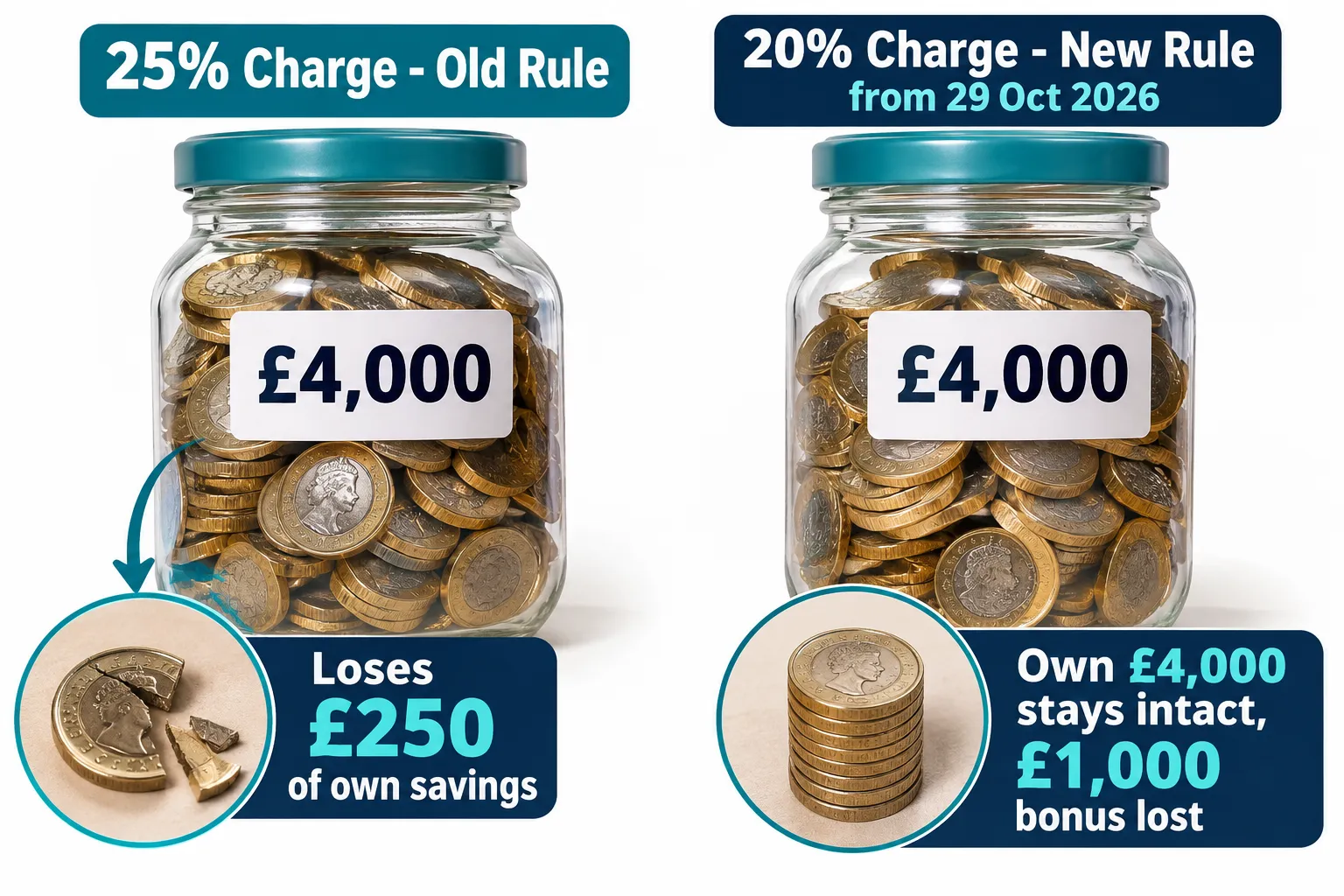
That 25% charge was punitive because it clawed back not just the bonus, but part of the saver's own money too. The new Lifetime ISA withdrawal charge 20% first home over £450,000 rate, effective from 29 October 2026, is gentler. Savers still forfeit the government bonus when buying above the cap, but they broadly keep their own contributions intact.
This matters hugely in south-west London. Many homes in Wimbledon and the wider Merton area are priced above £450,000, so buyers who have been saving into a Lifetime ISA for years have often faced a difficult choice: buy smaller, buy further out, or accept a costly penalty. The reduced charge softens that dilemma.
Worked Example: £4,000 Saved, Buying at £480,000
Simple arithmetic shows the scale of the saving. Suppose a buyer has paid in £4,000 over the year and received the standard 25% bonus of £1,000, giving a total Lifetime ISA pot of £5,000.
| Scenario | Withdrawal charge | Charge amount | Amount kept |
|---|---|---|---|
| Old rule (25%) | 25% of £5,000 | £1,250 | £3,750 |
| New rule (20%) | 20% of £5,000 | £1,000 | £4,000 |
Under the old 25% charge, the buyer lost £1,250, that's the full £1,000 bonus plus £250 of their own savings. Under the new Lifetime ISA withdrawal charge 20% first home over £450,000 rate, the charge is £1,000, meaning the buyer loses only the bonus and keeps their original £4,000 intact. That £250 difference may sound modest, but scaled across several years of saving, and combined with every other cost of buying in SW London, it genuinely helps.
How This Interacts with Stamp Duty and the £500,000 Cliff
Stamp duty rules were left untouched in this Budget. First-time buyers in England still pay nothing on the first £300,000 of a purchase price, then 5% on the portion between £300,001 and £500,000. Crucially, there is no first-time buyer relief at all once the price passes £500,000, buyers fall back onto standard rates.
This creates a second cliff edge sitting close to the Lifetime ISA's £450,000 cap. A buyer purchasing at £480,000 pays 5% stamp duty on £180,000 of the price (the amount above £300,000), on top of losing the government bonus on their Lifetime ISA withdrawal. Buyers should calculate both costs together before deciding on a property, rather than looking at the Lifetime ISA charge in isolation.
Why a RICS Survey Matters More When Budgets Are Stretched
Bank Rate currently sits at 3.75%, with a rise to 4% widely expected on Thursday 5 November 2026. Average five-year fixed mortgage rates have been above 6% since early October. Nationwide's October 2026 figures show the UK average house price at £273,566, up just 0.5% year on year, the weakest growth since January 2024, while Bank of England approvals fell to 53,400 in September, the lowest since December 2023.
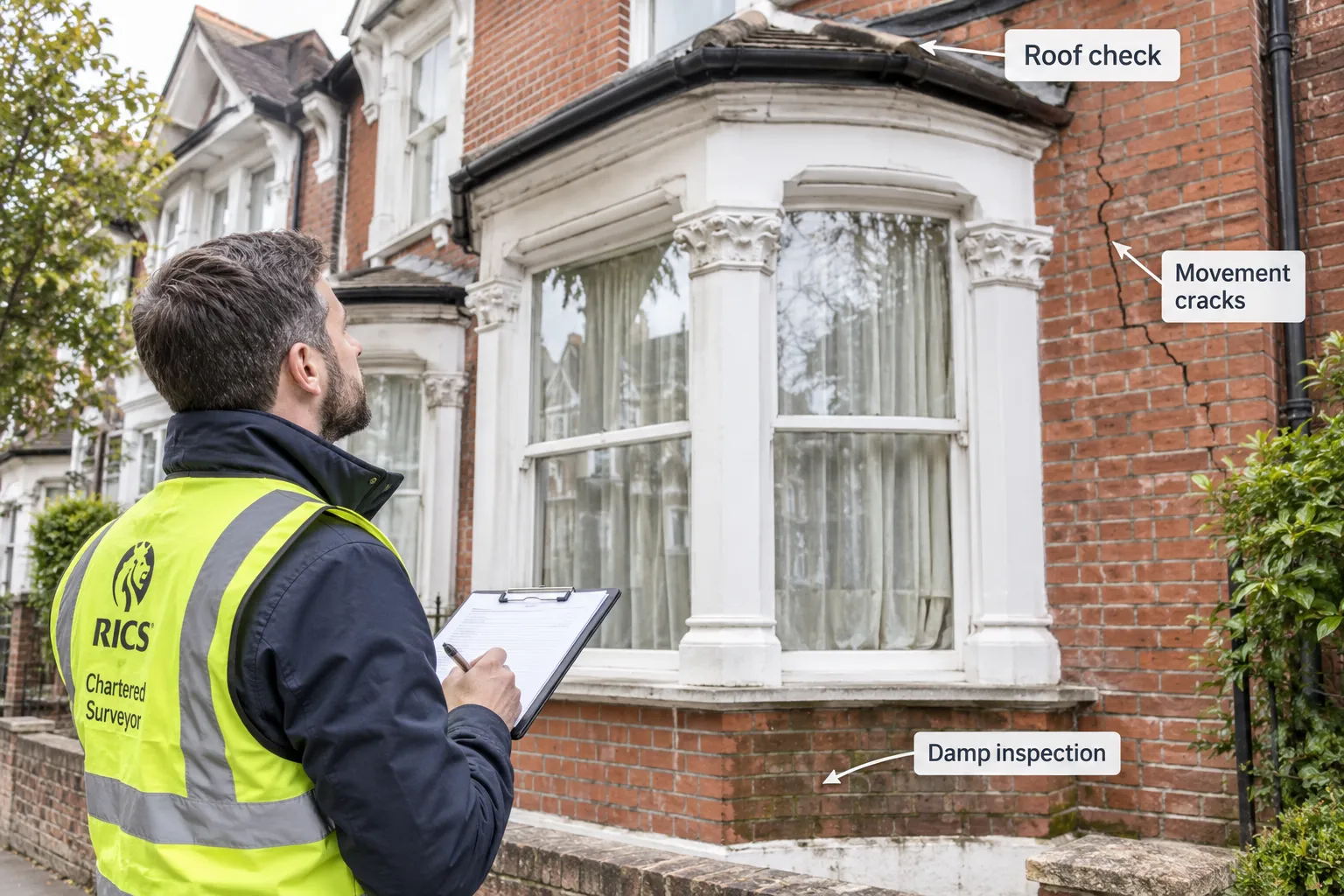
In this cautious lending climate, down-valuations are a real risk, and every pound of deposit counts. Victorian and Edwardian terraces, along with converted flats common across Wimbledon and Merton, often carry hidden issues: ageing roofs, damp, movement in older brickwork, or poorly executed past conversions. A Level 2 or Level 3 RICS survey identifies these before exchange, giving buyers either peace of mind or solid grounds for renegotiation.
Choosing between survey levels depends on the property's age and condition, see this guide on choosing between a Level 2 and Level 3 home survey for a clear comparison. A detailed report can also directly support negotiating the purchase price after a survey, potentially recovering far more than any Lifetime ISA saving.
Looking Ahead: The First Time Buyer ISA and Your First Home Scheme
From April 2029, a new First Time Buyer ISA will replace the Lifetime ISA for new savers. It offers up to £4,000 a year with a 25% bonus, capped at £20,000 overall, retains the £450,000 property price cap, and is open from age 18 with no upper age limit. The bonus is paid on purchase, but existing Lifetime ISAs cannot be transferred into the new scheme, so current savers should understand their existing pot's rules will remain in place.
Separately, the Your First Home scheme targets new-build buyers with deposits of 2.5% to 15% and a 20% government equity loan, interest-free for five years. With £4.7 billion committed and an expected 70,000 households helped, it carries an outer London price cap of £500,000, relevant since Wimbledon sits within the London Borough of Merton, classified as outer London. Pre-registration closes at the end of December 2026, full applications open from February 2027, and first loans are expected from April 2027. Full details are in this guide to the Your First Home scheme for Wimbledon buyers.
What Wimbledon First-Time Buyers Should Do This Month
- Recalculate your Lifetime ISA exit cost using the 20% rate, not the old 25% figure, before deciding whether to withdraw now or wait.
- Map the stamp duty cliff at £500,000 alongside the Lifetime ISA cap at £450,000 to see the true cost of any property in between.
- Check your mortgage rate lock-in options given rates near 6% and a possible Bank Rate rise on 5 November 2026.
- Register interest in Your First Home before the end-December 2026 pre-registration deadline if buying new-build.
- Book a professional survey early, see this first-time buyer guide to booking a building survey in Wimbledon, so any repair costs can be factored into your offer.
- Prepare properly for survey day using this checklist for what to do before an RICS home survey.
For buyers specifically in Merton, local market knowledge also helps when instructing a surveyor, see Merton property surveyors for area coverage.
Get Independent Advice from Wimbledon Surveyors
Navigating the Lifetime ISA withdrawal charge 20% first home over £450,000 change alongside stamp duty, stretched deposits and cautious lenders is complex. Wimbledon Surveyors, RICS chartered surveyors based in SW19, can provide an independent Level 2 or Level 3 survey to protect your budget and strengthen any price negotiation. Contact Wimbledon Surveyors today to book your pre-purchase survey.
Frequently Asked Questions
Does the 20% Lifetime ISA withdrawal charge mean I keep my bonus?
No. The saver still forfeits the government bonus when buying a home priced above £450,000. The 20% rate means they keep their own contributions rather than losing part of them too, as happened under the old 25% charge.
When did the new 20% rate take effect?
The reduced charge applies to withdrawals from 29 October 2026, the day after the Autumn Budget was delivered by Chancellor John Healey on 28 October 2026.
Can I still open a Lifetime ISA after the First Time Buyer ISA launches?
The First Time Buyer ISA replaces the Lifetime ISA for new savers from April 2029. Existing Lifetime ISAs cannot be transferred into the new product, so current holders will continue under existing Lifetime ISA rules.
Is the £450,000 cap the same for the Your First Home scheme?
No. Your First Home uses different price caps, £650,000 for inner London and £500,000 for outer London, where Wimbledon and Merton sit. The £450,000 figure relates specifically to the Lifetime ISA and the future First Time Buyer ISA.
Conclusion
The cut in the Lifetime ISA withdrawal charge to 20% for first homes over £450,000 is a modest but meaningful change for Wimbledon and south-west London buyers, many of whom have long faced the reality that local property prices sit above the Lifetime ISA cap. Combined with unchanged stamp duty thresholds, rising mortgage rates and a cooling housing market, every pound saved matters. Buyers should recalculate their numbers, explore the Your First Home scheme if buying new-build, and commission a RICS survey to protect against down-valuation and hidden repair costs. Contact Wimbledon Surveyors to arrange a survey before you exchange.
lifetime isa, withdrawal charge, first time buyers, Wimbledon property, Merton housing market, Autumn Budget 2026, stamp duty first time buyer, your first home scheme, RICS survey, mortgage rates 2026, first time buyer isa, house price cap