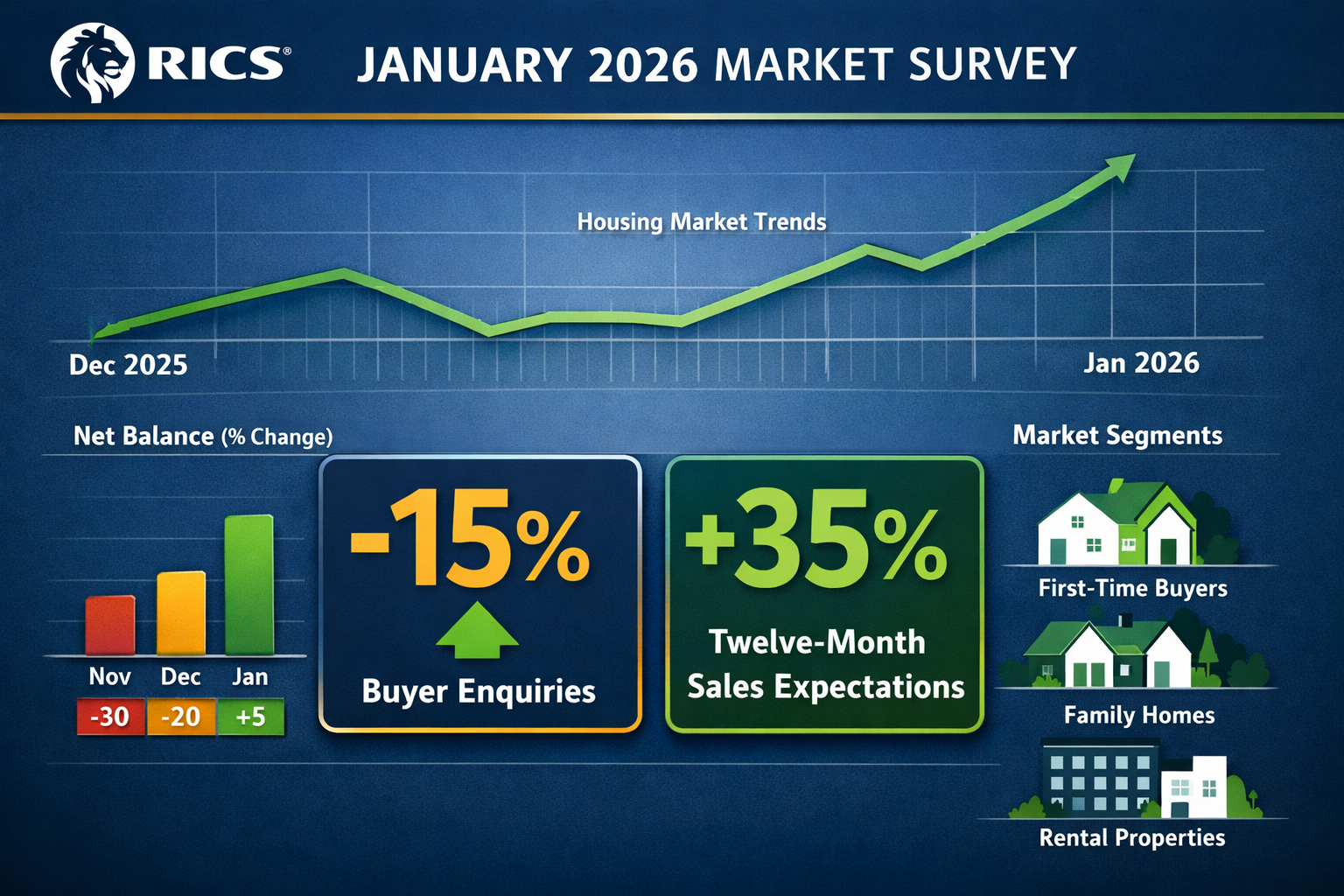
The UK property market has entered a pivotal phase in early 2026. After months of subdued activity and cautious sentiment, buyer enquiries are showing signs of recovery—and with that uptick comes renewed demand for comprehensive property assessments. The Royal Institution of Chartered Surveyors (RICS) January 2026 Residential Market Survey reveals that new buyer enquiries improved to a net balance of -15%, up from -21% in December 2025, marking the least negative readings in several months.[1] As transactions begin to accelerate and purchasers re-enter the market, Level 3 Surveys for Upticking New Buyer Enquiries: RICS Protocols Amid January 2026 Market Turn have emerged as a critical tool for risk mitigation and informed decision-making.
This market shift presents both opportunity and challenge. While twelve-month sales expectations have hit their strongest level since December 2024—with a net balance of +35% of survey participants anticipating increased activity[1]—buyers remain selective and cautious. In this environment, comprehensive property inspection through Level 3 surveys offers essential protection, particularly for older or altered properties where hidden defects could significantly impact value and safety.
Key Takeaways
- 📈 New buyer enquiries improved to -15% net balance in January 2026, up from -21% in December 2025, signaling the beginning of market recovery after a challenging 2025
- 🔍 Level 3 surveys are experiencing strong demand as purchasers seek comprehensive risk assessment before committing to property transactions in a selective market
- ✅ RICS protocols provide standardized, thorough inspection frameworks that address materials, construction methods, and potential liabilities—essential for older or significantly altered properties
- 💰 Early defect identification through Level 3 surveys supports price negotiations and protects buyer value in a market still completing its repricing cycle
- 🎯 Twelve-month sales expectations reached +35% net balance, the strongest reading since December 2024, indicating growing confidence but requiring careful due diligence
Understanding the January 2026 Market Turn and Its Impact on Survey Demand
The Completion of the Market Repricing Cycle
The January 2026 RICS survey marked a significant milestone: the completion of a substantial market repricing cycle that dominated 2025.[2] Throughout the previous year, property values adjusted downward in response to elevated borrowing costs, economic uncertainty, and reduced buyer confidence. This repricing created a more stable foundation for 2026, with valuations now better aligned with current economic realities.
Supply stabilization has accompanied this repricing. New instructions recorded a net balance of +1% in January 2026, broadly in line with December's -1%, showing that the volatile swings in property listings experienced throughout 2025 have moderated.[1] This stability provides a more predictable environment for both buyers and sellers, though the market remains sensitive to external factors—particularly mortgage rates and broader economic conditions.
Why Buyer Enquiries Are Improving
The improvement in buyer enquiries from -21% to -15% net balance represents more than just a numerical shift—it signals a psychological turning point.[1] Several factors are driving this renewed interest:
- Greater price certainty following the repricing cycle
- Expectations of stabilizing or potentially declining mortgage rates in 2026
- Pent-up demand from buyers who delayed purchases during 2025's uncertainty
- Improved economic outlook compared to late 2025 forecasts
However, the RICS Head of Market Research noted that "the key test for 2026 will be whether borrowing costs ease on a sustained basis. If so, this could provide the catalyst needed to drive a recovery in buyer demand."[5] This cautious optimism underscores why buyers entering the market now are taking extra precautions—including commissioning comprehensive Level 3 surveys—to ensure their investments are sound.
Regional Variations and Market Selectivity
The January 2026 recovery is not uniform across the UK. Regional variations remain pronounced, with some areas experiencing stronger momentum than others. For example, agents in the Wirral reported a "noticeable uptick in listings," while Shenfield noted slower sales at the higher end of the market.[1] This regional disparity means buyers must conduct thorough due diligence tailored to local market conditions.
In this selective environment, properties with clear, comprehensive survey reports gain a competitive advantage. Sellers who can present recent Level 3 survey documentation demonstrating good condition may find it easier to secure committed buyers, while purchasers armed with detailed survey findings can negotiate more effectively when defects are identified.
Level 3 Surveys for Upticking New Buyer Enquiries: RICS Protocols and Standards
What Defines a Level 3 Survey?
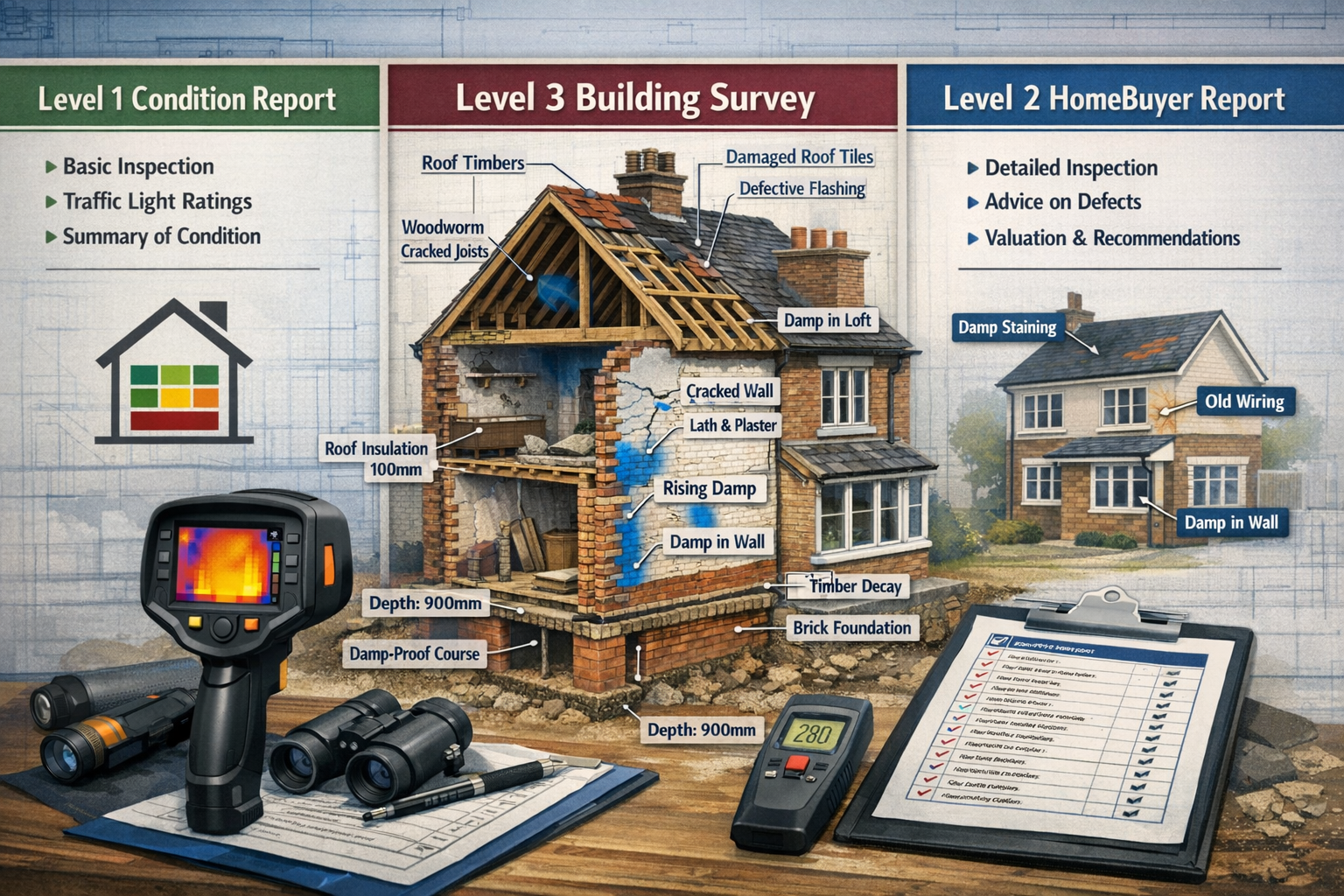
A Level 3 survey (formerly known as a Building Survey or Full Structural Survey) represents the most comprehensive property inspection available to residential buyers. According to RICS standards, a Level 3 survey is "more thorough and detailed than the others and will address matters such as the materials used for each part of the building."[7] This depth of analysis makes it particularly valuable in the current market environment where buyers are exercising heightened caution.
The scope of a Level 3 survey includes:
| Inspection Area | Level 3 Coverage |
|---|---|
| Structural elements | Detailed examination of walls, floors, roofs, foundations, and load-bearing components |
| Materials analysis | Identification of construction materials and assessment of their condition and suitability |
| Defect identification | Comprehensive cataloging of defects with severity ratings and repair recommendations |
| Services assessment | Inspection of heating, plumbing, electrical systems, and drainage (where visible) |
| Alterations review | Evaluation of previous modifications and extensions, including potential Building Regulations compliance issues |
| Future maintenance | Guidance on ongoing maintenance requirements and anticipated repair costs |
For those considering different survey options, understanding the key differences between Level 2 and Level 3 surveys is essential for making an informed choice.
RICS Protocol Requirements for Level 3 Surveys
RICS maintains rigorous standards for Level 3 surveys to ensure consistency and quality across the profession. Chartered surveyors conducting these inspections must:
✅ Hold appropriate RICS qualifications and maintain professional indemnity insurance
✅ Follow the RICS Home Survey Standard which defines inspection scope, reporting format, and professional obligations
✅ Conduct visual inspections of all accessible areas, including roof spaces, cellars, and outbuildings where safe access is available
✅ Provide condition ratings using standardized categories (Condition Ratings 1-3) for different building elements
✅ Deliver comprehensive written reports detailing findings, implications, and recommendations
✅ Maintain independence and objectivity throughout the inspection and reporting process
These protocols ensure that buyers receive reliable, professional assessments that can inform their purchasing decisions and support negotiations. Before commissioning a survey, it's helpful to understand what to do before an RICS home survey to maximize the value of the inspection.
Why Level 3 Surveys Are Experiencing Strong Demand in 2026
RICS members have reported "strong demand for RICS Home Surveys (Level 2 and Level 3), particularly for older or altered properties, as purchasers seek clarity around condition and potential liabilities before committing."[6] This surge in demand reflects several market dynamics:
🏚️ Older property stock: Much of the UK housing inventory consists of Victorian, Edwardian, and post-war properties that may harbor hidden defects not apparent during casual viewings
🔧 Previous alterations: Many properties have been extended, converted, or modified over decades, sometimes without proper Building Regulations approval
💡 Buyer caution: After the 2025 market downturn, purchasers are more risk-averse and want comprehensive information before committing significant capital
📊 Negotiation leverage: Detailed survey findings provide concrete evidence for price negotiations in a market where buyers have regained some bargaining power
🛡️ Long-term protection: With recovery expected to be gradual, buyers are taking a long-term view and want to understand full lifecycle costs
The uptick in Level 3 survey requests reflects purchaser desire for "early identification of risk" and supporting "negotiations and protecting value" in this selective market environment.[6]
Risk Assessment Techniques and Practical Application of Level 3 Surveys
Identifying Critical Defects in Older and Altered Properties
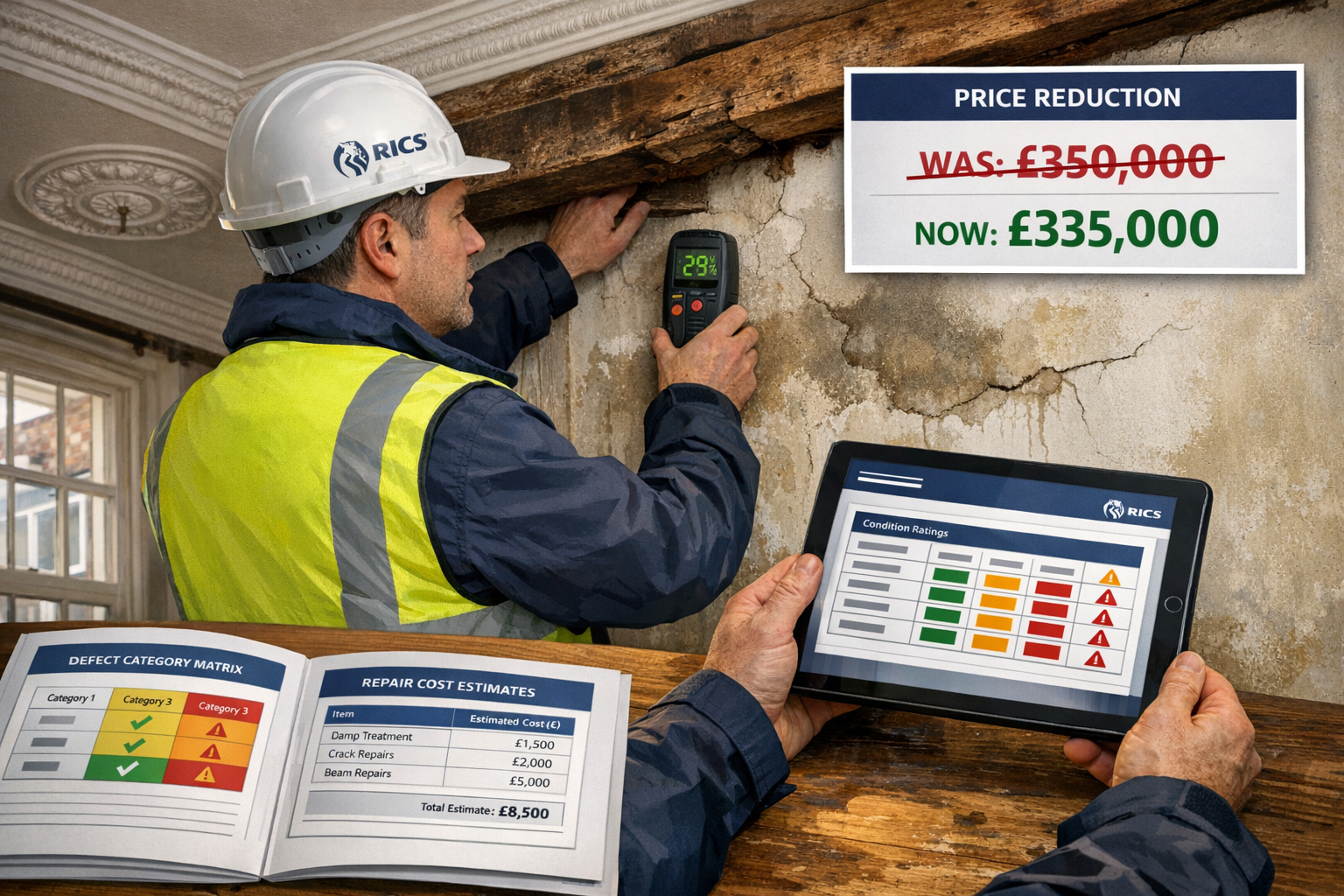
The primary value of a Level 3 survey lies in its ability to identify defects that could significantly impact property value, safety, or habitability. In the context of Level 3 Surveys for Upticking New Buyer Enquiries: RICS Protocols Amid January 2026 Market Turn, understanding what surveyors look for is crucial.
Common critical defects identified in Level 3 surveys include:
-
Structural movement: Cracking patterns indicating subsidence, heave, or settlement that may require underpinning or monitoring. For buyers concerned about wall cracks, our guide on what to do if walls start cracking provides valuable context, while our comprehensive guide to subsidence explains why this is a major concern.
-
Damp and moisture ingress: Rising damp, penetrating damp, or condensation issues that can cause timber decay and health hazards. Specialized damp surveys may be recommended as follow-up investigations.
-
Roof defects: Missing tiles, damaged flashings, or structural timber decay in roof spaces that could lead to water ingress and expensive repairs
-
Timber defects: Woodworm, dry rot, or wet rot affecting structural timbers, joists, or floor boards
-
Electrical and plumbing concerns: Outdated wiring, lead pipes, or inadequate heating systems requiring replacement
-
Building Regulations compliance: Unauthorized alterations or extensions that may not meet current standards, potentially affecting insurance or future sale
For properties with specific concerns, buyers might also consider whether they need a building survey for a new build, as even modern properties can have construction defects.
Using Survey Findings to Support Price Negotiations
One of the most practical applications of Level 3 surveys in the current market is their use in price negotiations. When defects are identified, buyers have several options:
1. Request a price reduction based on estimated repair costs identified in the survey report
2. Ask the seller to complete repairs before completion, with evidence of professional work
3. Negotiate a retention where funds are held in escrow until specific repairs are completed
4. Walk away from the transaction if defects are too severe or costly to remediate
Understanding how an RICS survey can help negotiate property prices provides strategic advantage in the current market. Additionally, knowing whether you can renegotiate after a poor building survey result helps buyers approach negotiations with confidence.
In the January 2026 market environment, where supply and demand are more balanced than in previous years, buyers have greater negotiating power when armed with professional survey evidence. Sellers are often motivated to accommodate reasonable requests rather than risk losing a committed purchaser and returning to an uncertain market.
Independent RICS Valuations and Their Role
Beyond condition assessment, "Independent RICS Valuations also remain important" in the stabilizing but regionally varied market, particularly where "lenders, legal advisers and private clients require defensible and well-supported figures."[6] While a Level 3 survey focuses primarily on condition rather than valuation, the findings directly inform property value.
Significant defects identified in a Level 3 survey will typically result in:
- Downward valuation adjustments by mortgage lenders
- Increased insurance premiums or difficulty obtaining coverage
- Reduced market appeal if the property needs to be resold
- Higher ongoing maintenance costs affecting long-term affordability
Professional valuers consider survey findings when determining market value, making the Level 3 survey an integral part of the broader due diligence process.
What to Do After Receiving a Survey Report
Receiving a Level 3 survey report can be overwhelming, particularly if significant defects are identified. However, it's important to remember that most older properties will have some issues—the key is understanding their severity and implications.
Steps to take after receiving your Level 3 survey:
1️⃣ Review the report thoroughly with particular attention to Condition Rating 3 items (serious defects requiring urgent attention)
2️⃣ Obtain specialist quotes for any major repairs identified, such as structural work, damp treatment, or roof replacement
3️⃣ Consult with your solicitor about any legal implications, particularly regarding Building Regulations compliance for alterations
4️⃣ Discuss findings with your mortgage lender as significant defects may affect lending decisions
5️⃣ Consider commissioning specialist surveys for specific issues like Japanese knotweed, asbestos, or electrical installations
6️⃣ Approach negotiations strategically using repair cost estimates as evidence for price adjustments
For those facing concerning findings, our guide on what to do after a bad building survey report provides practical next steps.
Common Myths About Property Surveys
Despite their importance, several misconceptions persist about property surveys that can deter buyers from commissioning appropriate inspections. Understanding common myths about property surveys helps buyers make informed decisions:
❌ Myth: "New-build properties don't need surveys"
✅ Reality: Even new builds can have construction defects, and warranties may not cover all issues
❌ Myth: "Surveys are too expensive"
✅ Reality: Survey costs are minimal compared to potential repair bills for unidentified defects
❌ Myth: "The mortgage valuation is sufficient"
✅ Reality: Mortgage valuations assess lending risk, not property condition, and are not designed to identify defects
❌ Myth: "Surveys delay the purchase process"
✅ Reality: Identifying issues early prevents costly surprises and potential transaction collapse later
Looking Ahead: Market Outlook and Survey Strategy for 2026
Gradual Recovery and Continued Selectivity
While the outlook for 2026 appears "more constructive," analysis indicates that "recovery is expected to be gradual" with the market remaining "selective."[6] This measured pace of recovery means that the factors driving current demand for Level 3 surveys are likely to persist throughout the year.
Near-term expectations remain cautious: Short-term sales expectations registered a net balance of +4% in January 2026, indicating a "flatter trend ahead compared with last month's +22%," reflecting ongoing caution among market participants.[1] This suggests that while confidence is improving, buyers will continue to exercise due diligence and seek comprehensive property information before committing.
The Role of Borrowing Costs
The trajectory of mortgage rates remains the critical variable for 2026 market performance. If borrowing costs ease on a sustained basis, this could accelerate the recovery in buyer demand and transaction volumes. However, any unexpected increases in rates could quickly dampen the emerging optimism seen in January's figures.
For buyers, this uncertainty reinforces the importance of thorough property assessment. In a potentially volatile interest rate environment, ensuring that a property is structurally sound and free from major defects provides financial security and reduces the risk of unexpected costs that could strain affordability.
Strategic Considerations for Buyers in 2026
Given the market dynamics of early 2026, buyers should consider the following strategic approaches:
🎯 Commission appropriate surveys early in the transaction process to identify issues before significant costs are incurred
🎯 Focus on properties with clear documentation including previous survey reports, Building Regulations certificates, and maintenance records
🎯 Build repair contingencies into budget calculations, particularly for older properties
🎯 Consider long-term value rather than just purchase price, accounting for maintenance and improvement costs
🎯 Work with RICS-qualified professionals who can provide independent, standardized assessments
🎯 Don't rush decisions despite improving market sentiment—thorough due diligence remains essential
The Importance of Professional Guidance
As the market navigates this transition phase, professional guidance from RICS-qualified surveyors, solicitors, and mortgage advisers becomes increasingly valuable. The complexity of property transactions, combined with the technical nature of building defects and their implications, means that expert input can save buyers significant money and stress.
For those downloading sample reports to understand what to expect, our example of a HomeBuyer report provides insight into professional survey documentation.
Conclusion
The January 2026 RICS Residential Market Survey marks a turning point for the UK property market. With new buyer enquiries improving to -15% net balance and twelve-month sales expectations reaching their strongest level since December 2024, the foundations for recovery are being established.[1] However, this recovery is expected to be gradual, and buyers are rightly approaching transactions with caution and thorough due diligence.
Level 3 Surveys for Upticking New Buyer Enquiries: RICS Protocols Amid January 2026 Market Turn represent an essential risk management tool in this environment. The strong demand for comprehensive property inspections reflects purchaser recognition that detailed condition information provides both protection and negotiating power in a selective market.
For buyers entering the market in 2026, the key takeaways are clear:
✅ Commission appropriate surveys based on property age, type, and condition—Level 3 surveys offer the most comprehensive assessment for older or altered properties
✅ Use survey findings strategically to negotiate fair prices and protect your investment from unexpected repair costs
✅ Work with RICS-qualified professionals who follow standardized protocols and provide independent, reliable assessments
✅ Don't be deterred by identified defects—most can be addressed, and knowing about them upfront is far better than discovering them after purchase
✅ Consider the long-term perspective—with recovery expected to be gradual, making informed decisions now will pay dividends over your ownership period
As the market continues to stabilize and confidence gradually returns, those who invest in thorough due diligence through professional Level 3 surveys will be best positioned to make sound property decisions. The completion of the 2025 repricing cycle provides a more stable foundation, but individual property condition remains the most important factor in determining value and suitability.
Whether you're a first-time buyer navigating the market for the first time or an experienced investor seeking opportunities in the recovery phase, comprehensive property surveys following RICS protocols provide the clarity and confidence needed to proceed with transactions in 2026's evolving market landscape.
References
[1] UK Residential Market Survey January 2026 – https://www.rics.org/content/dam/ricsglobal/documents/market-surveys/uk-residential-market-survey/UK-Residential-Market-Survey_January-2026.pdf
[2] Valuation Adjustments For Stabilising Southern Markets RICS Tactics From January 2026 Survey Improvements – https://nottinghillsurveyors.com/blog/valuation-adjustments-for-stabilising-southern-markets-rics-tactics-from-january-2026-survey-improvements
[5] UK Residential Survey Dec 2025 Confidence Rebound – https://www.rics.org/news-insights/uk-residential-survey-dec-2025-confidence-rebound
[6] UK Residential Market Survey January 2026 – https://www.navah-consulting.co.uk/news/uk-residential-market-survey-january-2026
[7] Scope Of Inspection Home Survey Level Three – https://www.rics.org/profession-standards/rics-standards-and-guidance/sector-standards/building-surveying-standards/home-surveys/scope-of-inspection-home-survey-level-three