
The dream of homeownership feels closer than ever for first-time buyers in 2026. With improved mortgage affordability and lender confidence rising, more young professionals are taking the leap into property ownership. But as regulatory reforms reshape the building industry and mandatory survey requirements loom on the horizon, understanding Level 3 Building Surveys for First-Time Buyers in 2026: Navigating Affordability Surge and Reform Risks has become essential for making informed purchasing decisions.
This comprehensive guide explores how first-time buyers can leverage detailed property inspections to protect their investments while navigating the most significant regulatory changes in decades. From enhanced RICS standards to the new Building Safety Levy, 2026 represents a pivotal year for property assessment and buyer protection.
Key Takeaways
- ✅ Level 3 surveys provide comprehensive structural assessments including foundation examination and load-bearing evaluations, offering first-time buyers maximum protection against hidden defects
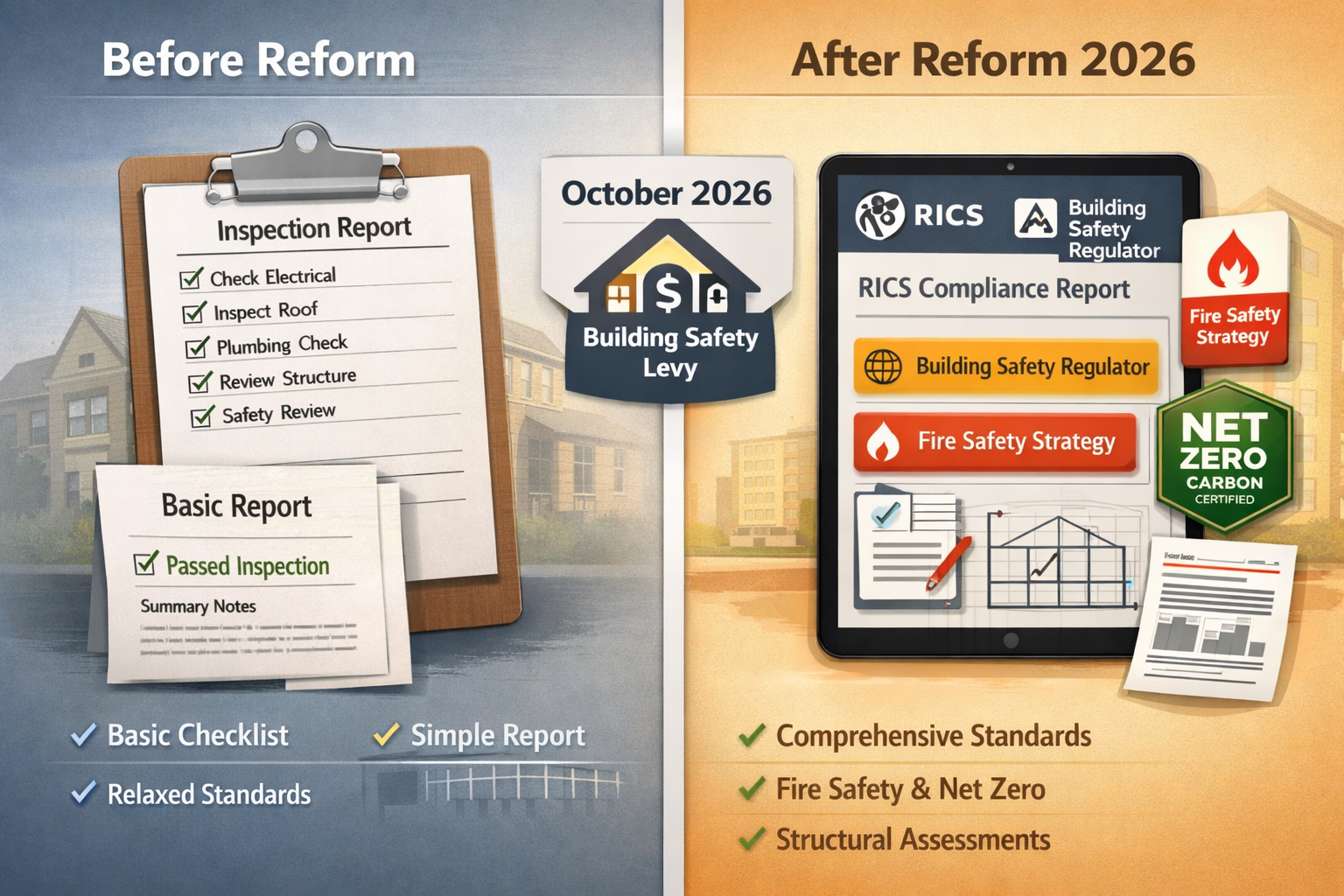
- 🏗️ Major regulatory reforms take effect in 2026, including the Building Safety Levy (October 1) and enhanced fire safety requirements (September 30), affecting property values and compliance costs
- 💰 Improved affordability conditions are drawing more first-time buyers into the market, making thorough property inspections more critical than ever
- 📋 Enhanced RICS standards now require surveyors to provide strategic advisory roles beyond basic inspections, delivering greater value for buyers
- 🔍 Defect identification skills are essential in a reforming market where building compliance issues can significantly impact purchase decisions
Understanding Level 3 Building Surveys in the 2026 Market Context
What Makes Level 3 Surveys Different?
Level 3 Building Surveys represent the most comprehensive property examination available to buyers in 2026. Unlike basic valuations or Level 2 Homebuyer Reports, these detailed assessments provide in-depth structural analysis that goes far beyond surface-level inspections.
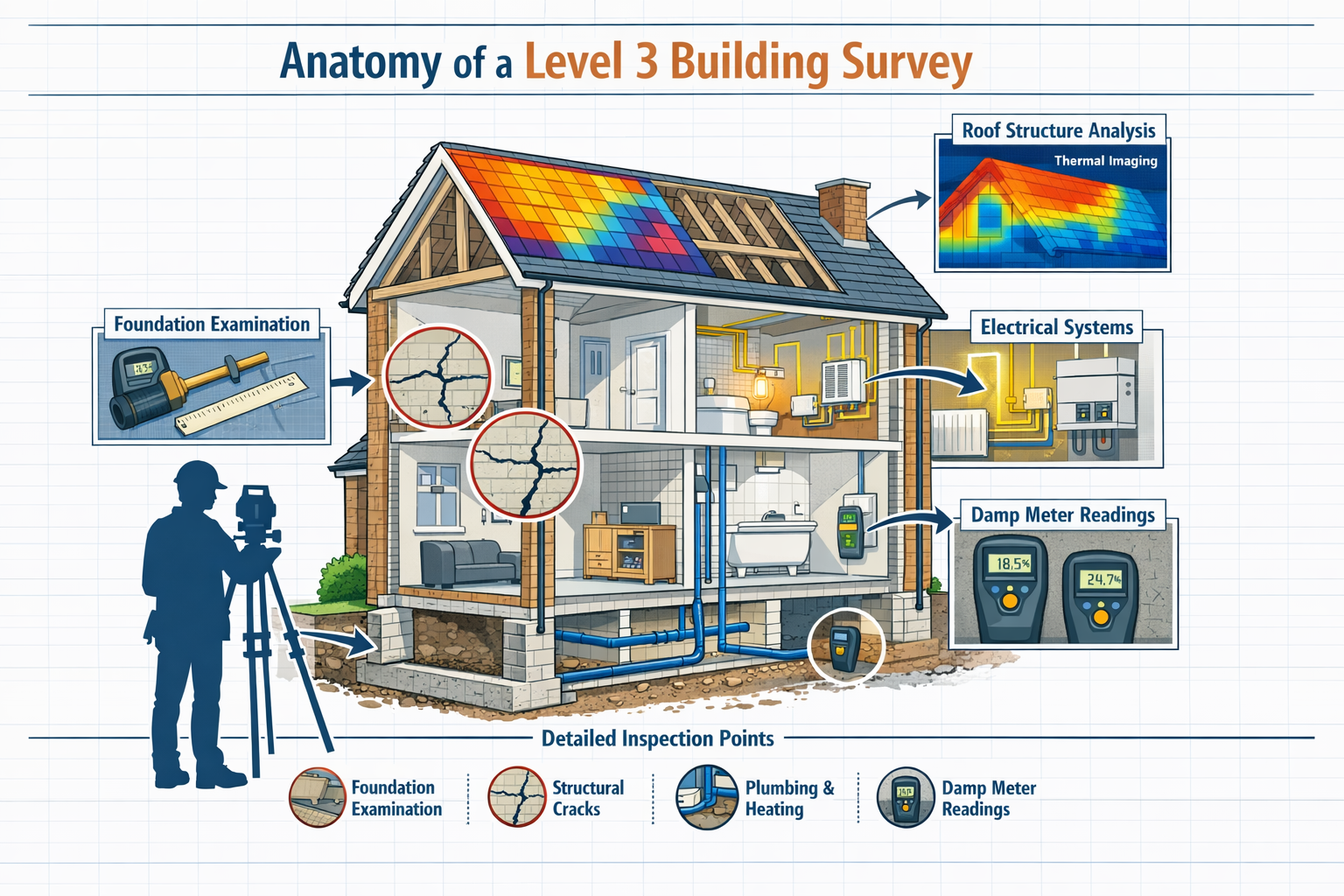
According to updated RICS standards, Level 3 surveys now include [1]:
- Foundation examination (where accessible without causing damage)
- Load-bearing wall evaluations with structural integrity assessments
- Comprehensive roof structure analysis including timber condition and support systems
- Detailed reports on building defects with repair cost estimates
- Future maintenance recommendations spanning 5-10 year horizons
For first-time buyers entering the market in 2026, this level of detail proves invaluable. The comprehensive property assessment identifies issues that could cost thousands in unexpected repairs, providing crucial negotiating leverage before contracts are exchanged.
The Enhanced Role of RICS Surveyors in 2026
The surveying profession has evolved significantly. RICS has reinforced professional standards emphasizing technical competence and ethical conduct, transforming surveying services into strategic advisory roles [2]. Modern surveyors don't simply inspect properties—they provide comprehensive risk assessments that consider:
- Current building regulations compliance
- Future regulatory impacts on property value
- Energy efficiency and Net Zero Carbon potential
- Fire safety strategy requirements for multi-occupancy buildings
- Structural adaptation possibilities for future modifications
This enhanced approach directly benefits first-time buyers who often lack the experience to identify potential problems. When choosing between a Homebuyers Report or Building Survey, understanding these expanded capabilities helps buyers select the right level of protection.
Why First-Time Buyers Need Level 3 Surveys More Than Ever
The 2026 property market presents unique challenges for inexperienced buyers:
🏠 Affordability Surge Risks
Improved mortgage conditions have increased market competition, potentially pushing buyers toward properties requiring significant work. A Level 3 survey reveals the true condition before emotional attachment overrides practical judgment.
⚖️ Regulatory Reform Complexity
New building safety requirements affect property values differently across the market. Buyers need expert guidance on compliance costs and future obligations.
🔧 Hidden Defect Prevalence
Older properties may not meet 2026 standards for fire safety, energy efficiency, or structural integrity. Surface cosmetic improvements can mask serious underlying issues.
💷 Financial Protection
First-time buyers typically have limited financial reserves. Unexpected repair costs discovered post-purchase can prove financially devastating.
The key differences between Level 2 and Level 3 surveys become particularly important when considering older properties, those with visible defects, or buildings that may be affected by new regulatory requirements.
Navigating Major Regulatory Reforms Affecting Property Purchases in 2026
The Building Safety Levy: What First-Time Buyers Must Know
The Building Safety Levy takes effect October 1, 2026, introducing a new tax on residential developments that will impact property prices and availability [3]. This levy applies to:
- All new residential dwellings
- Current exemptions for sites under 10 dwellings (though this threshold may increase to 50)
- Student accommodation under 30 bedspaces (exemption threshold)
Impact on First-Time Buyers:
| Aspect | Effect | Buyer Action |
|---|---|---|
| New Build Prices | Potential increase as developers pass costs to buyers | Budget additional 2-3% for new properties |
| Older Property Appeal | Increased relative value of existing housing stock | Consider well-surveyed older properties |
| Developer Behavior | Possible shift toward smaller developments under exemption thresholds | Explore emerging smaller developments |
| Market Supply | Temporary slowdown in new construction starts | Act decisively when suitable properties appear |
A comprehensive Level 3 survey becomes even more valuable when considering older properties as alternatives to levy-affected new builds. The detailed structural assessment ensures buyers don't trade new-build premiums for expensive hidden defects.
Building Safety Regulator Transition and Higher-Risk Buildings
On January 27, 2026, the Building Safety Regulator transitioned from the Health and Safety Executive to a new independent body under Ministry of Housing, Communities and Local Government control [3]. This change affects oversight of higher-risk buildings defined as:
- 18 metres or taller (approximately 6+ storeys)
- 7 or more storeys with 2+ residential units
First-Time Buyer Implications:
🏢 Apartment Purchases: Buyers considering flats in taller buildings face enhanced scrutiny and compliance requirements. Level 3 surveys for apartment purchases should now include:
- Building-wide fire safety strategy review
- Cladding and external wall system assessment
- Emergency evacuation route evaluation
- Building management compliance verification
🔍 Due Diligence Requirements: Solicitors now require more extensive building safety documentation, potentially extending completion timelines by 2-4 weeks.
💰 Service Charge Impacts: Compliance with enhanced regulations may increase annual service charges by 15-30% for affected buildings.
For first-time buyers, understanding whether a property falls under higher-risk building definitions is crucial. Your surveyor should explicitly address regulatory classification in their report, and you should review our guidance on what to do when your property offer has been accepted to ensure proper due diligence.
Fire Safety Requirements: The September 30 Deadline
Second staircase requirements for residential buildings take effect September 30, 2026, requiring new building control applications for properties 18 metres and above to include two separate staircases for fire safety compliance [3].
Why This Matters for Buyers:
- Properties currently under construction may face design changes affecting completion dates
- Buildings completed just before the deadline may have single staircase configurations affecting future saleability
- Retrofit requirements for existing buildings could emerge, impacting long-term ownership costs
A Level 3 survey conducted in 2026 should address fire safety compliance explicitly, particularly for properties in the 15-20 metre height range that may face future regulatory expansion.
Building Regulations Fundamental Review
The Building Regulations Fundamental Review interim findings are expected in spring 2026, with the final report due summer 2026 [3]. This review examines fire safety guidance in Approved Document B and may introduce:
- Stricter material specifications for external walls
- Enhanced compartmentation requirements
- Modified escape route standards
- Updated fire detection and suppression systems
Strategic Timing for First-Time Buyers:
Purchasing before final recommendations are published (summer 2026) may offer advantages, as properties meeting current standards won't typically require immediate compliance with new rules. However, future saleability could be affected, making a thorough Level 3 survey essential for understanding potential upgrade requirements.
Level 3 Building Surveys for First-Time Buyers in 2026: Practical Defect Spotting Guide
Critical Defects That Impact Affordability and Safety
Understanding common defects helps first-time buyers interpret survey findings and make informed decisions. Here are the most significant issues to watch for in 2026:
1. Structural Movement and Foundation Issues
What to Look For:
- Diagonal cracks wider than 3mm, particularly near doors and windows
- Stepped cracking in brickwork following mortar joints
- Doors and windows that stick or don't close properly
- Uneven floors with noticeable slopes
Cost Impact: £5,000-£50,000+ depending on severity
Survey Advantage: Level 3 surveys include foundation examination where accessible, providing definitive assessment rather than speculation. Surveyors use crack monitoring techniques and may recommend specialist structural engineer consultation for serious concerns.
2. Damp and Water Penetration
Common Types:
- Rising damp: Ground moisture traveling up walls (often due to failed damp-proof course)
- Penetrating damp: Water entering through walls, roofs, or windows
- Condensation: Moisture from inadequate ventilation
Cost Impact: £1,500-£8,000 for typical treatments
Survey Advantage: Surveyors use moisture meters and thermal imaging to identify hidden damp issues. They differentiate between damp types, preventing unnecessary expensive treatments. For detailed information on costs, review our guide on average cost of damp inspections.
3. Roof Structure Deterioration
Key Concerns:
- Sagging ridge lines indicating structural weakness
- Missing, slipped, or damaged tiles/slates
- Rotten timber in roof structure
- Inadequate or damaged felt underlayment
Cost Impact: £3,000-£15,000 for significant repairs or replacement
Survey Advantage: Level 3 surveys include roof void inspection where accessible, examining timber condition and structural adequacy that external inspections miss.
4. Subsidence Warning Signs
Subsidence represents one of the most serious defects affecting property value and insurability. Our comprehensive guide to subsidence explains why this issue requires immediate professional assessment.
Indicators Include:
- Cracks appearing suddenly or widening rapidly
- Cracks wider at top than bottom (or vice versa)
- Cracks near extensions or conservatories
- Rippling wallpaper or cracking plaster
Cost Impact: £10,000-£100,000+ including underpinning and monitoring
Survey Advantage: Experienced surveyors distinguish between settlement (normal in new builds) and active subsidence requiring intervention, potentially saving buyers from catastrophic financial loss.
Using Survey Findings to Negotiate Price Reductions
A detailed Level 3 survey provides powerful negotiating leverage. Here's how to use findings effectively:
📊 Quantify Repair Costs
Your survey should include estimated repair costs for identified defects. Use these figures to negotiate price reductions:
- Minor defects (£500-£2,000): Request 50-75% of estimated costs
- Moderate defects (£2,000-£10,000): Request 75-100% of costs
- Major defects (£10,000+): Request full costs plus inconvenience allowance
🔧 Prioritize Safety-Critical Issues
Focus negotiations on issues affecting:
- Structural integrity
- Weather-tightness
- Regulatory compliance
- Safety systems (electrical, gas, fire)
Cosmetic issues carry less weight in negotiations unless they indicate underlying problems.
📝 Request Remedial Work Before Completion
For serious defects, consider requesting repairs be completed before exchange rather than accepting price reductions. This approach ensures:
- Work is completed to proper standards
- You're not responsible for managing contractors
- Issues are fully resolved before taking ownership
For more strategies, explore our guidance on price reduction tactics based on survey findings.
When to Walk Away: Red Flags for First-Time Buyers
Some survey findings should prompt serious reconsideration:
🚫 Absolute Deal-Breakers:
- Active subsidence without adequate insurance or repair guarantees
- Major structural defects requiring costs exceeding 15-20% of purchase price
- Serious fire safety non-compliance in buildings subject to enhanced regulations
- Extensive undisclosed alterations without building control approval
- Japanese knotweed or other invasive species within 3 metres of foundations
⚠️ Proceed with Extreme Caution:
- Properties requiring immediate roof replacement
- Homes with outdated electrical systems (pre-1980s wiring)
- Buildings with evidence of poor previous repair work
- Properties with ongoing boundary disputes (see our guidance on property boundary disputes)
Remember: As a first-time buyer with limited financial reserves, avoiding problem properties is often wiser than attempting ambitious renovation projects. Your surveyor's advice on repair feasibility and costs should heavily influence your decision.
Maximizing Value from Your Level 3 Survey Investment
Choosing the Right Surveyor for 2026 Conditions
Not all surveyors offer equal expertise in navigating the 2026 regulatory landscape. Select a professional who:
✅ Holds RICS Accreditation
RICS-qualified surveyors maintain professional indemnity insurance and adhere to strict ethical standards. Verify membership at the RICS website before engaging services.
✅ Demonstrates Local Market Knowledge
Surveyors familiar with your target area understand regional building characteristics, common defects, and local authority requirements. Consider local surveyor expertise when making your selection.
✅ Shows 2026 Regulatory Competence
Ask specific questions about:
- Building Safety Levy implications for your property type
- Fire safety strategy requirements
- Net Zero Carbon considerations
- Higher-risk building classifications
✅ Provides Clear, Actionable Reports
Request sample reports before commissioning. Quality surveys include:
- Executive summary with key findings
- Detailed defect descriptions with photographs
- Repair cost estimates and urgency ratings
- Future maintenance recommendations
- Clear risk categorization (urgent/moderate/minor)
Review our example of a Homebuyers Report to understand report quality standards.
Cost Considerations and Budgeting
Typical Level 3 Survey Costs in 2026:
| Property Value | Survey Cost Range | Cost as % of Price |
|---|---|---|
| £200,000-£300,000 | £800-£1,200 | 0.4-0.5% |
| £300,000-£500,000 | £1,200-£1,800 | 0.36-0.4% |
| £500,000-£750,000 | £1,800-£2,500 | 0.33-0.36% |
| £750,000+ | £2,500-£4,000+ | 0.3-0.4% |
Additional Specialist Surveys:
- Electrical condition report: £150-£300
- Drainage survey: £200-£400
- Timber and damp specialist: £250-£500
- Structural engineer assessment: £500-£1,500
Budget Strategy for First-Time Buyers:
Allocate 0.5-1% of purchase price for survey costs, including potential specialist reports. While this seems expensive, consider that identifying a £10,000 defect before purchase saves significantly more than the survey cost.
Many buyers question whether Level 3 surveys represent good value. The answer depends on property characteristics:
Level 3 Recommended For:
- Properties built before 1900
- Buildings with visible defects or alterations
- Unusual construction types
- Properties you plan to renovate
- Buildings in higher-risk categories
Level 2 May Suffice For:
- Modern properties (post-2000) in good condition
- Standard construction with no obvious issues
- Properties with recent building work certificates
Timing Your Survey in the Purchase Process
Strategic survey timing protects your interests while maintaining transaction momentum:
🗓️ Optimal Timeline:
- Offer accepted → Instruct surveyor within 48 hours
- Survey conducted → Typically 5-10 working days after instruction
- Report received → 3-5 working days after inspection
- Review and negotiate → 7-14 days for price discussions
- Proceed or withdraw → Decision point before significant legal costs
⏰ Time-Saving Tips:
- Book your surveyor provisionally before making offers
- Provide comprehensive property information immediately upon instruction
- Request expedited service if competing with other buyers (additional fee typically applies)
- Review reports promptly and raise concerns quickly
The homebuying process involves multiple stakeholders. Coordinating survey timing with your solicitor and mortgage lender ensures smooth progression.

Future-Proofing Your Purchase: Net Zero and Sustainability Considerations
The Net Zero Carbon Buildings Standard
The Net Zero Carbon Buildings Standard Version 1 is due for release in early 2026, providing industry-agreed benchmarks for properties seeking Net Zero Carbon certification [3]. While not mandatory for existing residential properties, this standard will increasingly influence:
Property Values:
Energy-efficient homes command premium prices as buyers factor in long-term running costs and potential future regulations.
Mortgage Availability:
Some lenders now offer preferential rates for high-efficiency properties, with discounts of 0.1-0.25% on interest rates.
Future Compliance Costs:
Properties far from Net Zero standards may face expensive upgrade requirements if regulations tighten further.
What Level 3 Surveys Should Address
Modern surveys should include energy efficiency considerations:
🌡️ Insulation Assessment
- Loft insulation depth and condition
- Cavity wall insulation presence
- Floor insulation in suspended timber floors
- Window glazing type and condition
⚡ Heating System Efficiency
- Boiler age and efficiency rating
- Heating control sophistication
- Renewable energy potential (solar, heat pumps)
- Hot water system efficiency
🏠 Building Fabric Performance
- Air tightness and draft issues
- Thermal bridging at junctions
- Ventilation adequacy
- Moisture management
Upgrade Cost Estimates:
| Improvement | Typical Cost | Annual Saving | Payback Period |
|---|---|---|---|
| Loft insulation (top-up) | £300-£500 | £200-£300 | 1.5-2 years |
| Cavity wall insulation | £1,500-£3,000 | £300-£400 | 4-8 years |
| Double glazing replacement | £5,000-£10,000 | £150-£250 | 20-40 years |
| Boiler replacement (A-rated) | £2,500-£4,000 | £200-£400 | 6-15 years |
| Solar panels (4kW system) | £6,000-£8,000 | £400-£600 | 10-15 years |
First-time buyers should request energy efficiency commentary in their Level 3 survey, helping prioritize improvements that offer best return on investment.
Preparing for Potential Mandatory Survey Requirements
The Case for Mandatory Surveys
Industry discussions increasingly focus on mandatory pre-sale surveys similar to systems in some European countries. Proponents argue this would:
- Reduce transaction failures by identifying issues earlier
- Increase transparency in property condition disclosure
- Protect vulnerable buyers from purchasing unsuitable properties
- Accelerate transactions by removing survey contingency periods
How First-Time Buyers Can Prepare
While mandatory surveys aren't yet law in 2026, first-time buyers should:
📋 Treat Surveys as Essential, Not Optional
Even without legal requirements, commission Level 3 surveys for properties with any complexity or age. The financial protection justifies the cost many times over.
🔍 Request Seller's Survey Documentation
Ask whether sellers have recent surveys or specialist reports. While these shouldn't replace your independent assessment, they provide valuable background information.
💼 Budget Appropriately
Include survey costs in your purchase budget from the outset. Scrambling to find funds after offer acceptance creates unnecessary stress.
⚖️ Understand Your Legal Position
Surveys are for your information only—they don't create legal obligations for sellers to repair defects. However, they provide evidence for price negotiations and inform your decision to proceed.
Regional Considerations for First-Time Buyers
Different areas present unique challenges requiring surveyor expertise:
London and Southeast:
- Higher property prices increase survey cost-benefit ratio
- Victorian and Edwardian properties require specialist knowledge
- Leasehold complications need careful assessment
- Consider Wimbledon property surveyors or specialists in your target area
Urban Areas:
- Terraced properties with shared walls need party wall consideration
- Conversion quality varies significantly
- Parking and access issues affect value
- Review our guidance on party wall agreements
Suburban and Rural:
- Drainage systems require careful inspection
- Outbuildings and land boundaries need assessment
- Access rights and easements matter more
- Older properties with non-standard construction common
Select surveyors with demonstrated expertise in your target area's typical property types and common issues.
Conclusion: Making Informed Decisions in 2026's Evolving Market
Level 3 Building Surveys for First-Time Buyers in 2026: Navigating Affordability Surge and Reform Risks represents more than just a property inspection—it's a critical investment in your financial future and peace of mind. As improved affordability draws more first-time buyers into an increasingly complex regulatory environment, comprehensive property assessment has never been more valuable.
The convergence of multiple factors makes 2026 a pivotal year:
✅ Enhanced RICS standards deliver more comprehensive assessments with strategic advisory value
✅ Major regulatory reforms affect property values, compliance costs, and future saleability
✅ Improved market affordability creates opportunities but also increases competition
✅ Evolving building safety requirements demand expert guidance on compliance implications
Your Action Plan
Before Making Offers:
- Research RICS-qualified surveyors in your target area
- Budget 0.5-1% of purchase price for survey and specialist reports
- Understand which survey level suits your property type
- Review example survey reports to set expectations
After Offer Acceptance:
- Instruct your surveyor within 48 hours
- Provide comprehensive property information
- Request energy efficiency commentary in your report
- Review findings carefully with your surveyor
When Receiving Your Report:
- Focus on safety-critical and structural issues first
- Obtain repair cost estimates for negotiation
- Consult specialists for complex problems
- Make informed decisions about proceeding, negotiating, or withdrawing
Moving Forward:
- Use survey findings to negotiate fair pricing
- Plan maintenance budgets based on surveyor recommendations
- Address urgent issues before completion where possible
- Keep survey documentation for future reference and resale
The property market will continue evolving, but thorough due diligence remains timeless wisdom. By investing in comprehensive Level 3 surveys and working with qualified professionals, first-time buyers can navigate 2026's opportunities and challenges with confidence.
Your first home purchase represents one of life's most significant financial decisions. Ensure it's built on solid foundations—both literally and figuratively—through professional survey assessment that reveals the complete picture before you commit.
Ready to take the next step? Connect with RICS-qualified surveyors who understand the 2026 regulatory landscape and can provide the detailed assessment your investment deserves. Your future self will thank you for the diligence you exercise today.
References
[1] Building Survey Quality Standards 2026 Navigating Rics Updates And Enhanced Home Inspection Requirements 2 – https://nottinghillsurveyors.com/blog/building-survey-quality-standards-2026-navigating-rics-updates-and-enhanced-home-inspection-requirements-2
[2] Things About Building Surveying You Need To Know In 2026 – https://mcessex.co.uk/2026/01/23/things-about-building-surveying-you-need-to-know-in-2026/
[3] Uk Construction 2026 What Are The Policy Shifts And Developments You Need To Know – https://gowlingwlg.com/en-gb/insights-resources/articles/2026/uk-construction-2026-what-are-the-policy-shifts-and-developments-you-need-to-know