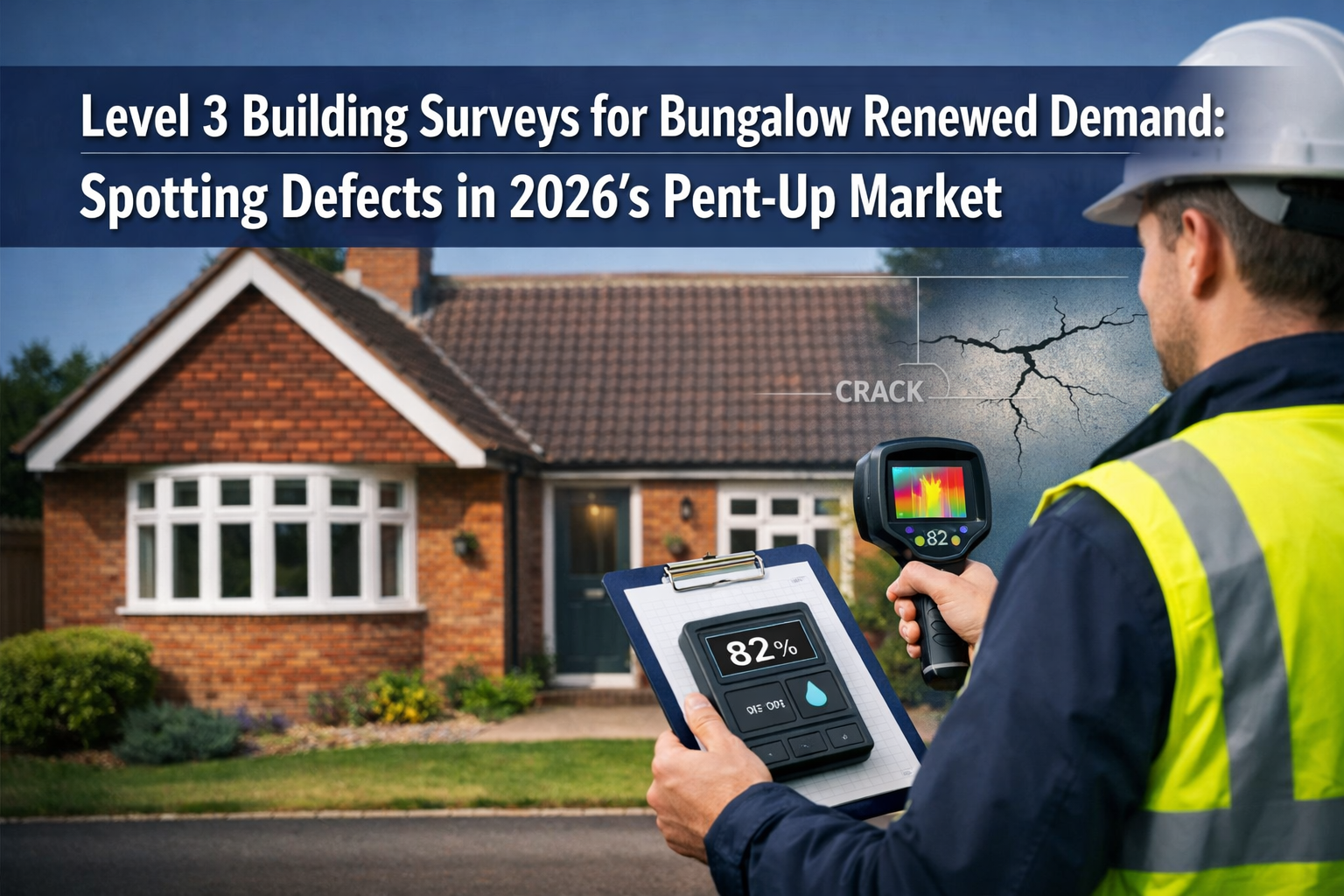
The UK property market is witnessing an unexpected surge in bungalow transactions as 2026 unfolds. With January RICS data revealing strengthened buyer confidence and previously unsold stock finally attracting serious interest, Level 3 Building Surveys for Bungalow Renewed Demand: Spotting Defects in 2026's Pent-Up Market has become critical for protecting investments in these sought-after single-storey properties. As scarce bungalows command premium prices in today's competitive landscape, comprehensive structural assessments are no longer optional—they're essential safeguards against costly hidden defects.
Recent market data shows sales expectations reaching +22% over the next three months, the strongest reading since October 2024, with twelve-month expectations climbing to +34%[3]. This renewed optimism, driven by interest rate expectations and post-Budget clarity, has created a pent-up market where buyers are competing for limited bungalow stock. However, many of these properties have languished unsold precisely because of underlying condition concerns—making thorough defect identification paramount.
Key Takeaways
✅ Level 3 surveys provide the most comprehensive property assessment available, examining every accessible part including lofts, cellars, and behind fixtures to identify serious issues like subsidence, damp, and timber decay[1][5]
✅ Bungalows require specialized scrutiny due to age-related defects, single-storey construction vulnerabilities, and the fact that many properties entering 2026's market were previously unsold due to condition concerns
✅ Survey costs typically range from £445 to over £1,353 depending on property size and complexity, with inspections taking up to 8 hours and reports delivered within 8 working days[2][4]
✅ 2026's market dynamics demand proactive defect identification, as mandatory upfront condition assessments and accelerated transaction timelines place new pressure on buyers to make informed decisions quickly[7]
✅ Professional repair advice and timeline guidance differentiate Level 3 surveys from surface-level assessments, providing actionable intelligence for negotiation and renovation planning[2]
Understanding Level 3 Building Surveys in 2026's Bungalow Market Context
Level 3 surveys, formerly known as Building Surveys, represent the gold standard in property condition assessment. Unlike their less comprehensive counterparts, these surveys examine every accessible element of a property to provide buyers with complete transparency about structural integrity, defect severity, and repair requirements[1].
What Makes Level 3 Surveys Comprehensive
The thoroughness of a Level 3 survey sets it apart from Level 2 homebuyers reports. Key features include:
- Complete accessibility inspection: Surveyors examine lofts, cellars, roof spaces, and areas behind permanent fixtures
- Detailed defect analysis: Every issue is documented with severity ratings and consequence assessments
- Professional repair guidance: Surveyors provide specific advice on repair timelines, methodologies, and consequences of neglecting issues[5]
- Construction methodology review: Analysis of building techniques, materials, and alterations over time
- Extended inspection duration: Up to 8 hours on-site to ensure nothing is overlooked[2]
Why Bungalows Demand Level 3 Scrutiny
Bungalows present unique challenges that make comprehensive surveys essential:
🏠 Age profile: Most UK bungalows were built between 1950-1980, placing them in the 40-75 year age bracket where significant maintenance issues emerge
🏠 Single-storey vulnerabilities: Flat or low-pitched roofs are more susceptible to water ingress and thermal inefficiency
🏠 Foundation concerns: Older bungalows often have shallow foundations prone to subsidence in clay soil areas
🏠 Roof space access: Many bungalows have limited loft access, meaning problems can remain hidden for decades
🏠 Damp-proof course deterioration: Ground-level construction makes these properties particularly vulnerable to rising damp when DPC fails
Properties over 50 years old, significantly altered buildings, and those in poor condition are specifically recommended for Level 3 surveys[2][5]. Most bungalows entering 2026's renewed market tick multiple boxes on this checklist.
Level 3 Building Surveys for Bungalow Renewed Demand: Identifying Critical Defects
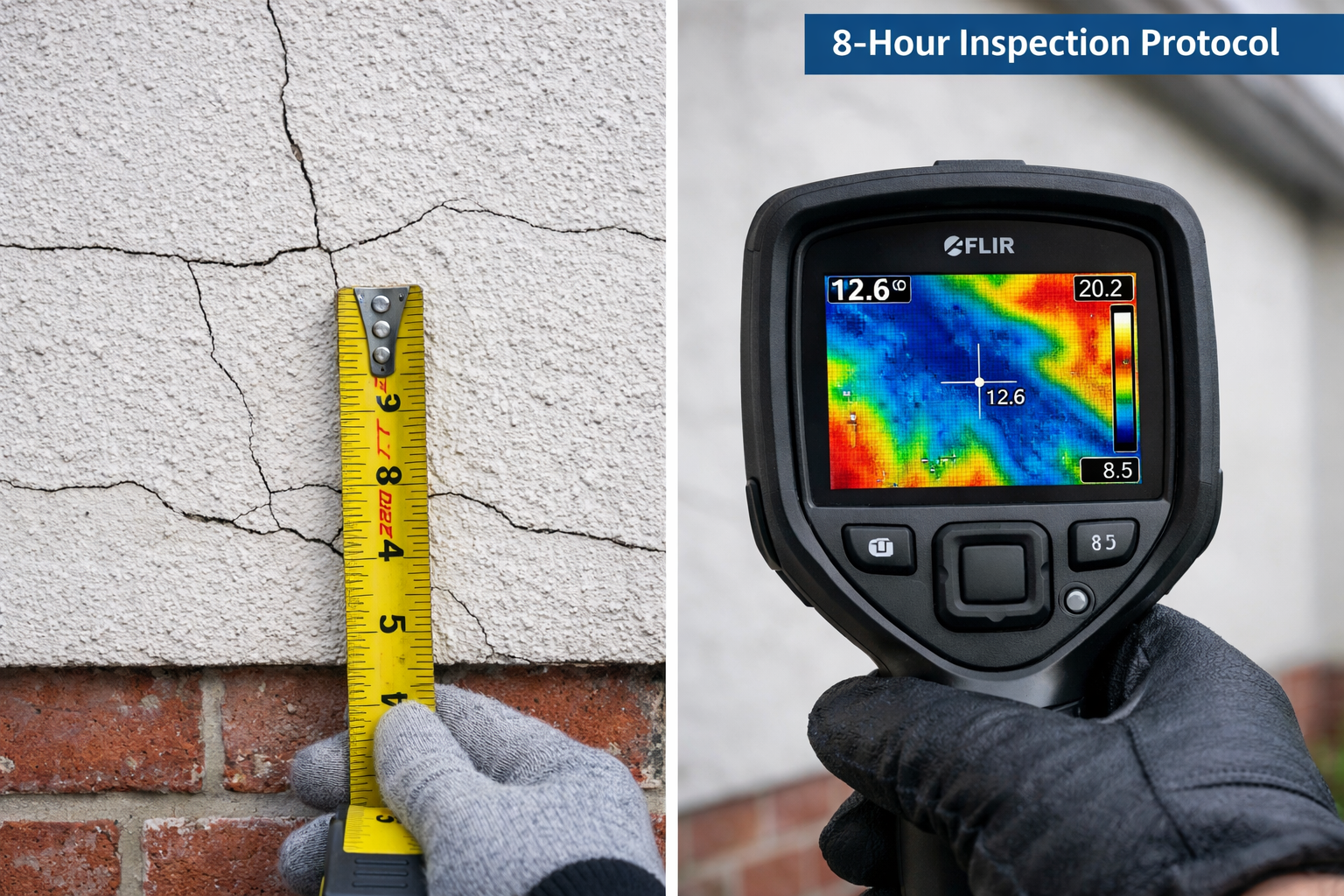
The pent-up demand for bungalows in 2026 means many properties now attracting buyers have been on the market—or off it—for extended periods. This stagnation often correlates with underlying condition issues that previous viewers identified and walked away from. Level 3 Building Surveys for Bungalow Renewed Demand: Spotting Defects in 2026's Pent-Up Market specifically targets these hidden problems before buyers commit.
Common Bungalow Defects Uncovered by Level 3 Surveys
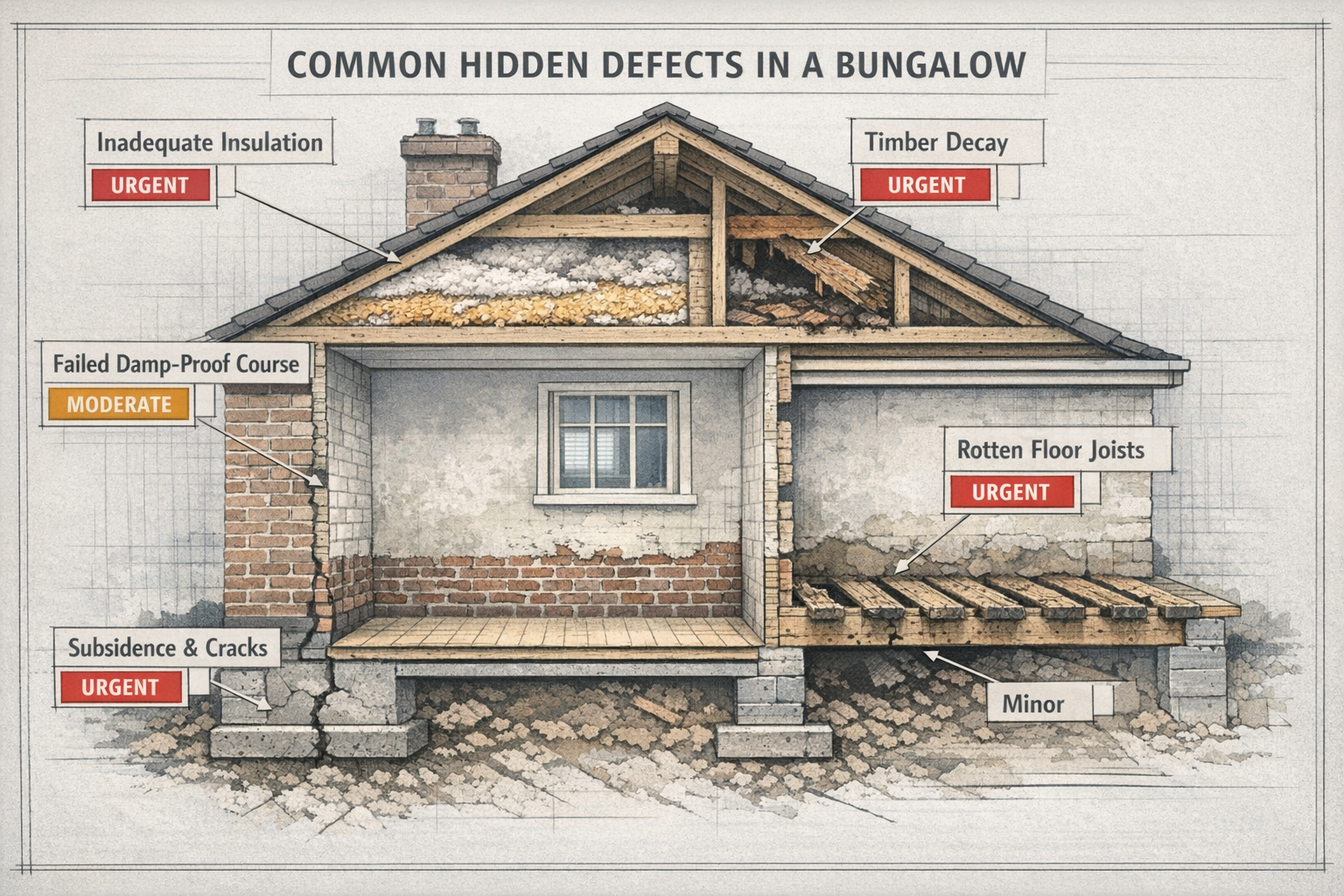
Subsidence and structural movement 🏚️
Bungalows built on clay soils are particularly vulnerable to subsidence. Level 3 surveyors examine:
- Crack patterns in walls (diagonal cracks are especially concerning)
- Door and window frame distortion
- Floor level variations
- External ground movement signs
- Drainage condition (leaking drains can exacerbate subsidence)
Roof and roof space issues 🏚️
Single-storey construction means roof problems directly impact living spaces:
- Flat roof deterioration (common in 1960s-70s bungalows)
- Inadequate insulation causing condensation
- Timber decay in roof structures
- Missing or slipped tiles allowing water penetration
- Inadequate ventilation leading to moisture accumulation
Damp and moisture penetration 💧
Ground-level construction makes bungalows especially susceptible:
- Failed damp-proof courses (particularly in properties 50+ years old)
- Penetrating damp through solid walls
- Condensation damp from poor ventilation
- Rising damp affecting floor timbers
- Hidden moisture behind wall coverings
Our expert building evaluation services specifically address these moisture-related concerns with specialized testing equipment.
Electrical and heating system obsolescence ⚡
Many bungalows retain original installations:
- Outdated wiring systems (pre-1980s installations)
- Inadequate electrical capacity for modern demands
- Aging boilers and heating systems
- Asbestos presence in older properties
- Lead piping in water systems
Timber decay and insect infestation 🪵
Floor-level construction increases timber vulnerability:
- Woodworm in floor joists and roof timbers
- Wet rot in poorly ventilated sub-floor spaces
- Dry rot in concealed areas
- Inadequate timber treatment or failed previous treatments
The Survey Process: What Happens During 8 Hours
A thorough Level 3 survey follows a systematic protocol:
| Survey Stage | Duration | Focus Areas |
|---|---|---|
| External inspection | 2-3 hours | Roof, walls, foundations, drainage, grounds |
| Internal inspection | 3-4 hours | All rooms, floors, ceilings, fixtures, services |
| Roof space/cellar | 1-2 hours | Structural timbers, insulation, hidden defects |
| Testing/measurements | Throughout | Moisture readings, level checks, thermal imaging |
| Documentation | Throughout | Photographs, notes, defect recording |
Surveyors use specialized equipment including moisture meters, thermal imaging cameras, and spirit levels to identify issues invisible to the naked eye[5]. This technological approach is crucial for detecting hidden defects in properties that may have been cosmetically updated to mask underlying problems.
Level 3 Building Surveys for Bungalow Renewed Demand: Navigating 2026's Market Pressures
The renewed confidence in UK property markets heading into 2026 brings both opportunities and challenges. While increased transaction velocity benefits sellers, buyers face pressure to make rapid decisions in competitive situations. Level 3 Building Surveys for Bungalow Renewed Demand: Spotting Defects in 2026's Pent-Up Market provides the comprehensive intelligence needed to act quickly without sacrificing due diligence.
Market Dynamics Driving Survey Demand
Pent-up demand release 📈
After periods of market hesitation, buyers who delayed purchases are now re-entering the market simultaneously. This creates:
- Multiple offers on desirable bungalows
- Reduced negotiation leverage for buyers
- Pressure to waive survey conditions
- Risk of overpaying for properties with hidden defects
Mandatory upfront assessments 📋
Homebuying reforms being introduced in 2026 are changing survey dynamics. Mandatory upfront condition assessments mean sellers may commission surveys before listing, but buyers still need independent verification—especially for older bungalows where seller-commissioned reports may not provide complete disclosure[7].
Transaction speed expectations ⏱️
The market is moving toward 6-week completion timelines, placing new pressure on survey turnaround times[6]. Level 3 surveys typically deliver reports within 8 working days, but buyers must factor this into offer timelines and ensure surveyors can accommodate rapid scheduling.
Cost Considerations and Investment Protection
Level 3 survey costs range from £445 to over £1,353, with most bungalow surveys falling in the £800-£1,200 range depending on size and location[2][4]. While this represents a significant upfront expense, the investment protection value far exceeds the cost.
Real-world cost-benefit example:
A £350,000 bungalow purchase with an £850 Level 3 survey that identifies:
- £15,000 in roof repairs needed within 2 years
- £8,000 in damp-proofing work required
- £5,000 in electrical system upgrades necessary
This intelligence enables buyers to:
- Negotiate a £25,000 price reduction
- Budget accurately for immediate repairs
- Avoid purchasing a property with unaffordable maintenance needs
- Make an informed decision about proceeding with the purchase
The survey cost represents just 0.24% of the purchase price but potentially saves 7% through negotiation and informed decision-making. Understanding how surveys can help negotiate property prices is crucial in competitive markets.
When Level 3 Surveys Are Essential for Bungalows
While all bungalow purchases benefit from comprehensive surveys, certain situations make Level 3 assessments absolutely critical:
✔️ Properties over 50 years old (covers most UK bungalows)
✔️ Bungalows with visible defects or cosmetic updates that may hide problems
✔️ Properties that have been on the market for extended periods without selling
✔️ Bungalows with unusual construction or significant alterations
✔️ Properties being purchased for renovation or conversion
✔️ Bungalows in areas with known subsidence risks (clay soil regions)
✔️ Properties where the buyer plans to live long-term and needs accurate maintenance forecasting
Understanding which home survey is right for your situation helps buyers make informed decisions about survey level selection.
Acting on Survey Findings: From Report to Resolution

Receiving a comprehensive Level 3 survey report is just the beginning. The real value emerges from how buyers use the intelligence to inform their purchasing decisions and post-acquisition planning.
Understanding Survey Report Structure
Level 3 reports typically include:
Executive summary: Overview of critical issues requiring immediate attention
Detailed defect analysis: Room-by-room breakdown with photographs and severity ratings
Repair recommendations: Specific guidance on remediation approaches and timelines
Maintenance advice: Long-term care recommendations to prevent future issues
Estimated costs: Indicative repair cost ranges (though not formal quotations)
Reports may run 50-100 pages for bungalows with multiple issues, providing comprehensive documentation for decision-making[5].
Strategic Response Options
When a Level 3 survey reveals significant defects, buyers have several strategic options:
1. Renegotiate the purchase price 💰
Armed with professional evidence of defects and repair costs, buyers can:
- Request a price reduction equivalent to repair costs
- Negotiate a contribution toward specific repairs
- Use the survey as leverage in competitive situations
2. Request seller remediation 🔧
For urgent issues, buyers may require:
- Completion of specific repairs before exchange
- Provision of specialist reports (structural engineer, damp specialist)
- Warranties or guarantees on recent work
3. Adjust purchase terms 📝
Survey findings may warrant:
- Extended completion timelines to allow for repairs
- Retention of funds pending remediation
- Insurance policy adjustments
4. Withdraw from the purchase ❌
When defects are too severe or costly, walking away protects buyers from:
- Unaffordable renovation projects
- Properties with fundamental structural issues
- Investments that will never provide adequate returns
Understanding what to do after a bad building survey report provides guidance for these difficult decisions.
Budgeting for Post-Purchase Repairs
Level 3 surveys enable accurate financial planning by identifying:
Immediate priorities (Year 1): Critical repairs affecting safety, habitability, or preventing further deterioration
- Typical budget: £5,000-£25,000 for bungalows with moderate issues
Medium-term needs (Years 2-5): Important maintenance to prevent escalation of existing defects
- Typical budget: £10,000-£40,000 for comprehensive upgrades
Long-term planning (Years 5+): Predictable replacement cycles for major building elements
- Typical budget: £20,000-£60,000 for roof replacement, rewiring, or heating system upgrades
This financial intelligence is invaluable for mortgage planning, as lenders may require evidence that buyers can afford both the purchase and necessary repairs.
Choosing the Right Surveyor for Bungalow Assessments
Not all surveyors possess equal expertise in bungalow-specific issues. Selecting a qualified professional ensures comprehensive defect identification.
Essential Surveyor Qualifications
🎓 RICS membership: Look for RICS-qualified surveyors (AssocRICS, MRICS, or FRICS designations)
🎓 Local expertise: Surveyors familiar with regional construction methods and common local issues
🎓 Bungalow experience: Specific experience with single-storey properties and their unique vulnerabilities
🎓 Technology capabilities: Use of thermal imaging, moisture detection, and other diagnostic tools
🎓 Clear communication: Ability to explain technical issues in accessible language
Questions to Ask Before Commissioning
Before engaging a surveyor, ask:
- How many bungalow surveys have you completed in the past year?
- What diagnostic equipment do you use during inspections?
- What is your typical report turnaround time?
- Do you provide follow-up consultation to discuss findings?
- Can you accommodate expedited timelines if needed?
- What areas of the property will you not be able to access?
- Is property valuation included or available as an add-on?
Remember that Level 3 surveys do not include property valuation by default, though many surveyors offer this as an additional service[5].
Comparing Survey Levels: Making the Right Choice
While Level 3 surveys provide the most comprehensive assessment, understanding how they compare to other options helps buyers make informed decisions.
| Feature | Level 2 (HomeBuyer Report) | Level 3 (Building Survey) |
|---|---|---|
| Inspection depth | Standard visual inspection | Comprehensive detailed examination |
| Property suitability | Conventional properties in reasonable condition | Older, altered, or defective properties |
| Report detail | Standardized format, traffic light ratings | Bespoke detailed analysis |
| Defect analysis | Identifies visible defects | Identifies visible and hidden defects |
| Repair advice | General guidance | Specific recommendations and timelines |
| Typical cost | £400-£900 | £800-£1,353+ |
| Duration | 2-4 hours | 4-8 hours |
| Bungalow suitability | New/modern bungalows only | All bungalows, especially older properties |
For most bungalows entering 2026's market, particularly those over 40 years old, Level 3 surveys provide the appropriate level of scrutiny. Comparing Level 2 and Level 3 survey options helps clarify which approach best suits specific circumstances.
Regional Considerations and Local Expertise
Bungalow defect patterns vary significantly by region, making local surveyor expertise valuable:
London and Southeast: Clay soil subsidence, Victorian/Edwardian construction methods, London-specific damp issues
Coastal areas: Salt damage, wind exposure, moisture penetration from sea air
Northern regions: Solid wall construction, cavity wall insulation issues, different building regulations
Rural areas: Septic tank systems, private water supplies, agricultural building conversions
Working with local property surveyors who understand regional construction patterns and common defects ensures nothing is overlooked.
Future-Proofing Your Bungalow Investment
Beyond immediate defect identification, Level 3 surveys provide intelligence for long-term property management:
Maintenance Planning
Survey findings enable:
- 5-year maintenance schedules prioritizing critical work
- Budget forecasting for predictable replacement cycles
- Preventative maintenance to avoid defect escalation
- Insurance considerations based on identified risks
Renovation Potential Assessment
For buyers planning improvements, surveys identify:
- Structural capacity for extensions or loft conversions
- Service upgrade requirements (electrical, plumbing, heating)
- Planning constraint considerations
- Cost-effective improvement priorities
Understanding building renovation needs helps buyers plan strategic improvements that enhance value.
Energy Efficiency Opportunities
Many bungalow defects relate to thermal performance:
- Inadequate insulation in roof spaces
- Single-glazed windows
- Inefficient heating systems
- Poor ventilation causing condensation
Addressing these issues simultaneously improves comfort, reduces energy costs, and increases property value—making survey-identified improvements worthwhile investments.
Conclusion
Level 3 Building Surveys for Bungalow Renewed Demand: Spotting Defects in 2026's Pent-Up Market represents essential due diligence in today's competitive property landscape. As buyer confidence strengthens and previously unsold bungalow stock attracts renewed interest, comprehensive defect identification protects purchasers from costly surprises and provides the intelligence needed for informed decision-making.
The £800-£1,200 investment in a thorough Level 3 survey delivers multiple benefits:
✅ Complete transparency about property condition and defect severity
✅ Negotiation leverage backed by professional evidence
✅ Accurate budgeting for post-purchase repairs and maintenance
✅ Risk mitigation through identification of deal-breaking issues
✅ Long-term planning intelligence for property management and improvements
Next Steps for Bungalow Buyers
- Engage a qualified RICS surveyor with bungalow-specific experience as soon as your offer is accepted
- Request expedited scheduling to meet 2026's accelerated transaction timelines
- Review the survey report thoroughly and seek clarification on any unclear findings
- Obtain repair quotations for significant defects to support price negotiations
- Make strategic decisions about proceeding, renegotiating, or withdrawing based on comprehensive evidence
- Plan post-purchase repairs using survey recommendations and timeline guidance
The renewed demand for bungalows in 2026 creates opportunities for buyers willing to invest in comprehensive due diligence. By commissioning Level 3 surveys that identify hidden defects before purchase, buyers protect their investments and position themselves for successful long-term property ownership in this competitive market.
Don't let competitive pressure compromise your due diligence. Contact experienced chartered surveyors who understand bungalow-specific challenges and can deliver the comprehensive assessments needed to make confident purchasing decisions in 2026's pent-up market.
References
[1] Level 3 Survey – https://surveymatch.co.uk/level-3-survey/
[2] Land Surveyor Cost Residential What Homeowners Should Expect In 2026 – https://www.apassociates.org/land-surveyor-cost-residential-what-homeowners-should-expect-in-2026/
[3] Uk Residential Survey Dec 2025 Confidence Rebound – https://www.rics.org/news-insights/uk-residential-survey-dec-2025-confidence-rebound
[4] Structural Survey Cost – https://www.comparemymove.com/guides/surveying/structural-survey-cost
[5] The Ultimate Guide To An Rics Level 3 Building Survey Why Deep Insight Matters – https://www.hich-ltd.co.uk/rics/the-ultimate-guide-to-an-rics-level-3-building-survey-why-deep-insight-matters/
[6] Transaction Speed Demands In 2026 Building Surveys And Valuations Under 6 Week Completion Pressure – https://nottinghillsurveyors.com/blog/transaction-speed-demands-in-2026-building-surveys-and-valuations-under-6-week-completion-pressure
[7] Homebuying Reform Impacts On Building Surveys Preparing For Mandatory Upfront Condition Assessments In 2026 – https://nottinghillsurveyors.com/blog/homebuying-reform-impacts-on-building-surveys-preparing-for-mandatory-upfront-condition-assessments-in-2026