The landscape of luxury property ownership in the UK has shifted dramatically. With new taxation measures targeting properties valued over £2 million now in effect in 2026, property owners and investors face unprecedented scrutiny of their asset valuations. These changes have sparked countless disputes, pushing expert witness valuations to the forefront of property tax litigation. Understanding how to defend valuations in this new environment isn't just important—it's essential for protecting substantial wealth.
The introduction of enhanced tax obligations for high-value properties has created a perfect storm of Expert Witness Valuations for High-Value Properties: Navigating 2026 Tax and Wealth Assessment Changes challenges. Property owners, tax authorities, and legal professionals now find themselves locked in complex disputes where the difference of even a few percentage points in valuation can mean hundreds of thousands of pounds in tax liability.
Key Takeaways
- 🏛️ New 2026 tax thresholds for properties over £2 million have created significant valuation disputes requiring expert witness testimony
- 📊 RICS-accredited valuations are now essential for defending property assessments in tax tribunals and court proceedings
- ⚖️ Expert witnesses must navigate complex interactions between market value, tax implications, and regulatory compliance
- 💼 Property owners face increased scrutiny from HMRC, making professional valuation support critical for wealth protection
- 📈 Market volatility combined with new regulations has made accurate property assessment more challenging and consequential than ever
Understanding the 2026 Tax Landscape for High-Value Properties
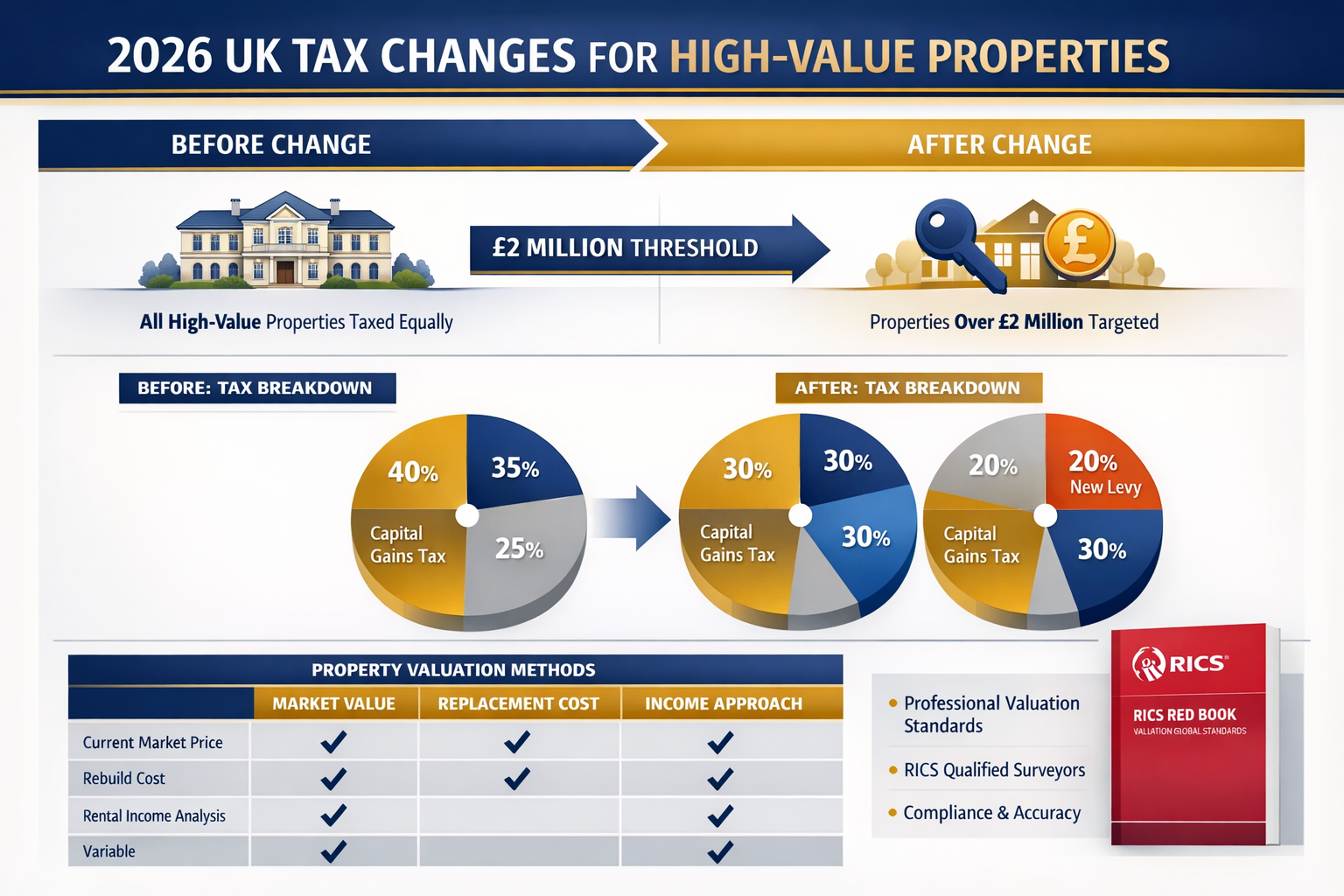
The 2026 tax changes represent the most significant shift in property taxation in over a decade. The government has implemented a progressive wealth assessment system that specifically targets properties valued above £2 million, with additional tiers at £5 million and £10 million thresholds.
What Changed in 2026?
The new regulations introduce several key modifications:
Annual Wealth Assessment Tax (AWAT): Properties over £2 million now face an annual assessment charge of 0.5% of the property value above the threshold. For a £3 million property, this means an additional £5,000 annual tax burden.
Enhanced Capital Gains Tax (CGT) Scrutiny: Sales of high-value properties now trigger automatic HMRC reviews, with valuations subject to challenge if they appear to minimize tax liability.
Inheritance Tax (IHT) Valuation Requirements: Properties passing through estates must now undergo mandatory professional valuation, with RICS property valuations becoming the accepted standard.
The Valuation Dispute Explosion 💥
Since implementation, tax tribunals have seen a 340% increase in property valuation disputes. The stakes are extraordinarily high:
| Property Value | Tax Threshold Exceeded | Potential Annual Tax | Dispute Value (5-year) |
|---|---|---|---|
| £2.5 million | £500,000 | £2,500 | £12,500 |
| £5 million | £3 million | £15,000 | £75,000 |
| £10 million | £8 million | £40,000 | £200,000 |
These figures explain why property owners are investing heavily in expert witness testimony to challenge assessments. A successful valuation defense can save hundreds of thousands of pounds over time.
The Critical Role of Expert Witness Valuations for High-Value Properties: Navigating 2026 Tax and Wealth Assessment Changes
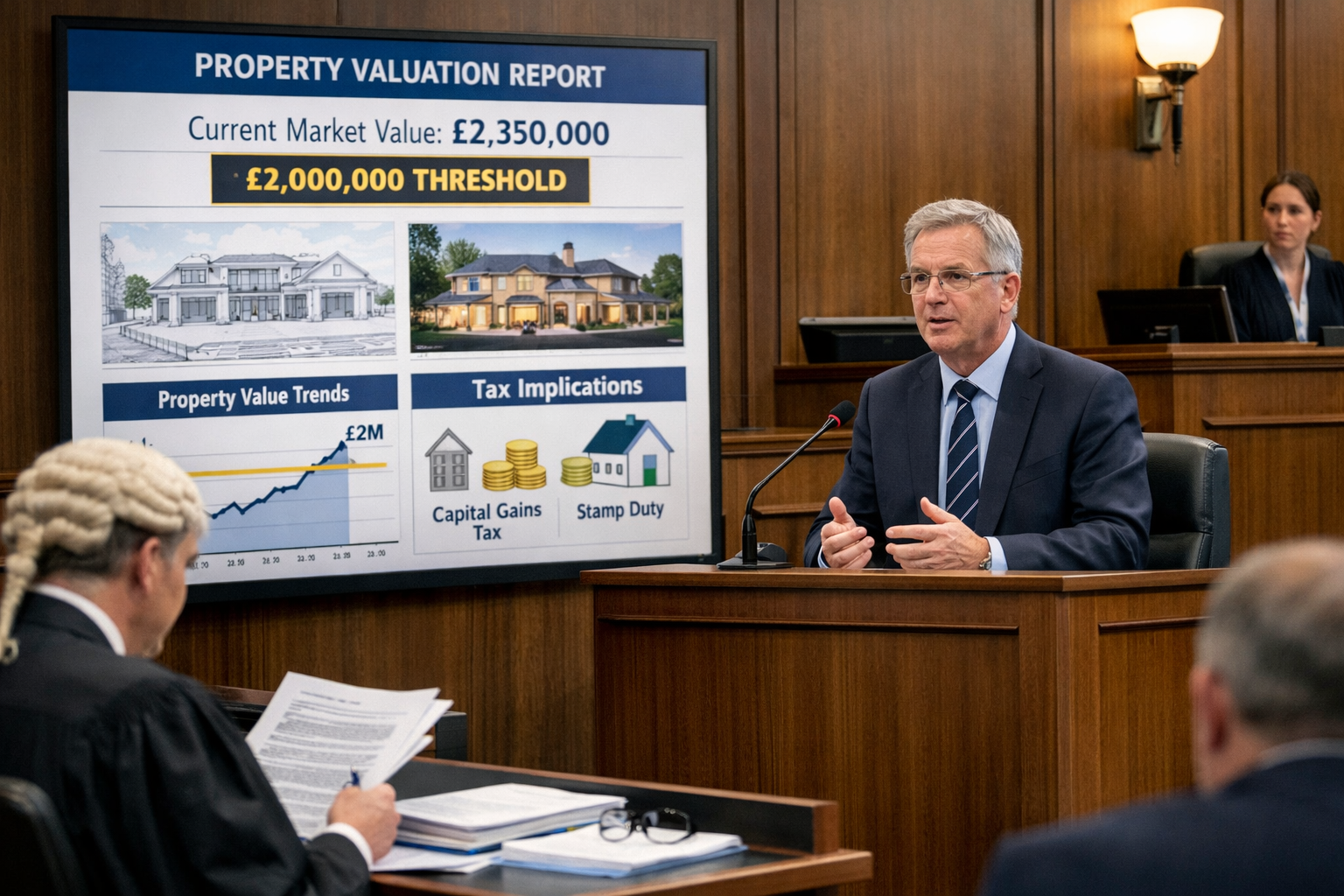
Expert witnesses serve as the cornerstone of property valuation disputes. Their role extends far beyond simply providing an opinion—they must present defensible, evidence-based assessments that withstand rigorous cross-examination.
What Makes a Qualified Expert Witness?
Not every property professional can serve as an expert witness. The courts and tax tribunals require specific qualifications:
RICS Accreditation: Registered Valuers must hold current RICS certification and demonstrate expertise in high-value property markets. Understanding why RICS surveyors are essential provides context for their authority in disputes.
Specialized Experience: Expert witnesses need demonstrable experience valuing properties in the relevant price bracket and location. A surveyor specializing in residential properties under £1 million lacks credibility for a £10 million estate dispute.
Court Experience: Previous testimony experience is invaluable. Expert witnesses must understand courtroom procedures, cross-examination techniques, and how to present complex valuation data clearly.
Independence and Objectivity: Perhaps most critically, expert witnesses must demonstrate complete independence from the parties involved. Their duty is to the court, not to the client paying their fees.
The Expert Witness Valuation Process
A comprehensive expert witness valuation for tax dispute purposes follows a rigorous methodology:
1. Initial Property Assessment 🏠
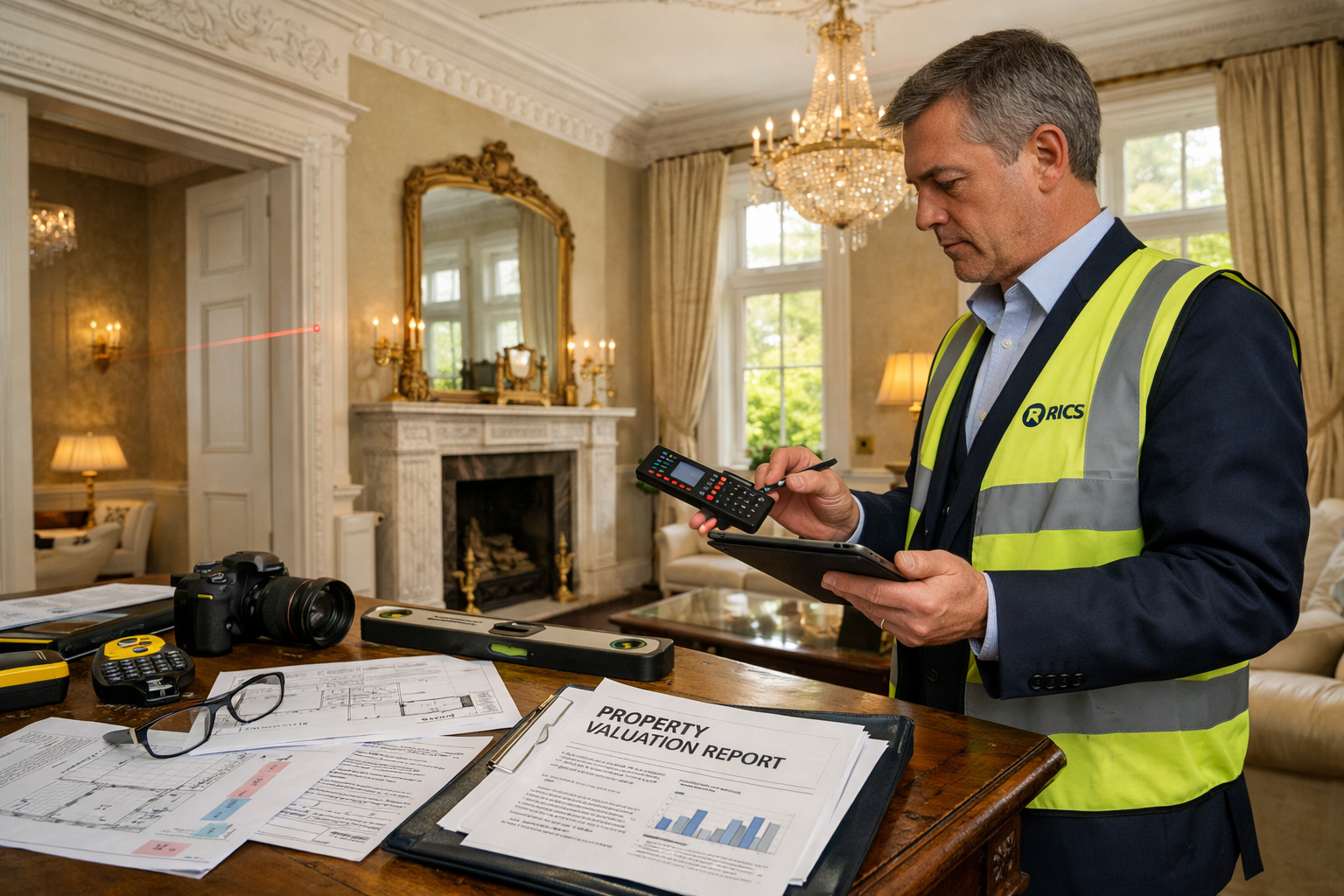
The process begins with a thorough building survey that documents every aspect of the property:
- Architectural features and period details
- Structural condition and any defects
- Modifications and improvements
- Land boundaries and additional features
- Planning permissions and restrictions
This detailed assessment forms the foundation for defensible valuation.
2. Market Analysis and Comparable Evidence
Expert witnesses must compile comprehensive market data:
- Recent sales of comparable properties
- Current market listings in the area
- Historical price trends and market cycles
- Economic factors affecting property values
- Location-specific premium or discount factors
The quality of comparable evidence often determines the outcome of valuation disputes. Expert witnesses spend significant time identifying truly comparable properties rather than relying on superficial similarities.
3. Multiple Valuation Methodologies
Professional expert witnesses apply several valuation approaches:
Comparative Method: Analyzing recent sales of similar properties with adjustments for differences.
Income Method: For investment properties, calculating value based on rental income potential and yield expectations.
Cost Method: Particularly relevant for unique properties, assessing replacement cost minus depreciation.
Residual Method: For properties with development potential, calculating value based on completed development value minus costs.
Using multiple methodologies provides cross-verification and strengthens the valuation's defensibility.
4. Tax Implication Analysis
This is where Expert Witness Valuations for High-Value Properties: Navigating 2026 Tax and Wealth Assessment Changes becomes particularly complex. Expert witnesses must understand:
- How different valuation dates affect tax liability
- The interaction between market value and tax-adjusted value
- Special reliefs and exemptions that may apply
- The impact of market volatility on assessment dates
- Precedent cases and their relevance
Common Valuation Disputes in 2026
Several dispute types have emerged as particularly prevalent:
Threshold Gaming: Properties valued just below £2 million face intense HMRC scrutiny, with authorities suspecting deliberate undervaluation.
Heritage Property Adjustments: Listed buildings and conservation area properties require special consideration for restricted alterations and maintenance obligations.
Market Timing Disputes: Rapid market changes in 2025-2026 have created disagreements about appropriate valuation dates and market conditions.
Development Potential Disagreements: Properties with planning permission or development potential face disputes over how to value unrealized potential.
Defending Your Valuation: Strategies and Best Practices
Successfully defending a property valuation requires strategic preparation and professional expertise. Property owners facing challenges should understand the process and their options.
Early Preparation Is Essential ⏰
The time to prepare for a potential valuation dispute is before it happens:
Obtain Professional Valuations Proactively: Don't wait for HMRC to challenge your assessment. Commission a comprehensive RICS property valuation from a qualified surveyor to establish a defensible baseline.
Document Everything: Maintain detailed records of:
- All property improvements and their costs
- Maintenance and repair work
- Planning applications and outcomes
- Market research and comparable sales data
- Professional advice received
Regular Revaluations: For properties near tax thresholds, annual revaluations provide a documented trail of value changes and demonstrate diligence.
Building a Strong Defense
When facing a valuation challenge, several strategies strengthen your position:
Engage Specialist Legal Counsel
Property tax disputes require specialized legal expertise. Solicitors experienced in tax tribunal proceedings understand:
- Procedural requirements and deadlines
- Evidence presentation standards
- Cross-examination techniques
- Settlement negotiation strategies
- Appeal processes and timelines
Select the Right Expert Witness
Your expert witness selection can make or break your case. Consider:
Local Market Expertise: An expert with deep knowledge of your specific area carries more weight than a generalist. For example, London property surveyors understand the unique dynamics of the capital's luxury property market.
Track Record: Review their previous tribunal testimony and success rates in similar disputes.
Communication Skills: Technical expertise means nothing if the expert cannot explain complex concepts clearly to non-specialists.
Availability: Ensure they can commit to the timeline required for your case.
Prepare Comprehensive Evidence Packages 📋
Successful defenses rely on thorough documentation:
- Expert Witness Report: A detailed written report following RICS standards
- Photographic Evidence: Comprehensive property documentation
- Comparable Sales Analysis: Detailed comparison with similar properties
- Market Reports: Independent market analysis supporting the valuation
- Structural Reports: Condition survey reports highlighting any defects or issues
- Planning Documentation: All relevant planning permissions and restrictions
- Historical Valuations: Previous assessments showing value progression
Understanding the Tribunal Process
Property valuation disputes typically progress through several stages:
Initial Challenge: HMRC issues a notice challenging your valuation, typically within 12 months of submission.
Response Period: You have 30 days to respond with supporting evidence and your intention to defend the valuation.
Alternative Dispute Resolution (ADR): Before formal proceedings, parties may engage in mediation or negotiation. Many disputes resolve at this stage with expert witness input.
Tribunal Hearing: If settlement fails, the case proceeds to the First-tier Tribunal (Tax Chamber). This formal hearing involves:
- Witness testimony under oath
- Cross-examination by opposing counsel
- Presentation of documentary evidence
- Expert witness testimony
- Legal arguments from both sides
Decision and Appeals: The tribunal issues a written decision. Either party may appeal to the Upper Tribunal on points of law.
Cost Considerations 💰
Defending a valuation isn't cheap, but the costs must be weighed against potential tax savings:
Expert Witness Fees: £5,000-£25,000 depending on property complexity and case duration
Legal Fees: £10,000-£50,000+ for full tribunal representation
Additional Surveys: £2,000-£10,000 for specialized assessments
Total Defense Costs: Typically £20,000-£100,000 for complex cases
However, for properties significantly over the £2 million threshold, successful defense can save multiples of these costs over time.
Special Considerations for Different Property Types
Not all high-value properties face the same valuation challenges. Different property types require specialized approaches.
Period and Heritage Properties 🏛️
Listed buildings and properties in conservation areas present unique valuation challenges:
Restricted Alterations: Limitations on modifications affect market appeal and value. Expert witnesses must quantify this impact.
Maintenance Obligations: Higher maintenance costs and specialist requirements reduce net value.
Heritage Premium vs. Restriction Discount: Balancing the prestige value against practical limitations requires nuanced analysis.
Grant Availability: Potential heritage grants may affect valuation calculations.
Properties with Development Potential
Land with planning permission or development potential creates complex valuation scenarios:
Hope Value: The additional value from potential future development must be carefully assessed.
Planning Risk: Uncertainty about planning approval affects value calculations.
Timing Considerations: The timeline to realize development potential impacts present value.
Market Absorption: The ability to sell developed units affects residual value calculations.
Investment and Commercial Properties
High-value investment properties require income-based valuation approaches:
Rental Yield Analysis: Current and projected rental income drives valuation.
Tenant Quality: Covenant strength and lease terms significantly affect value.
Market Comparables: Yield comparisons with similar investment properties.
Vacancy Risk: Potential void periods must be factored into valuations.
Unique and Exceptional Properties
Truly unique properties—mansions, estates, or architecturally significant buildings—pose the greatest valuation challenges:
Limited Comparables: Few or no similar properties complicate market-based valuations.
Specialized Markets: Small buyer pools affect marketability and value.
Subjective Elements: Unique features may have highly variable value to different buyers.
Cost vs. Value: Improvement costs may not translate directly to market value.
Emerging Trends and Future Outlook
The landscape of Expert Witness Valuations for High-Value Properties: Navigating 2026 Tax and Wealth Assessment Changes continues to evolve.
Technology and Valuation
Advanced technologies are transforming property valuation:
AI-Assisted Valuation Models: Machine learning algorithms analyze vast datasets to identify comparable properties and market trends. However, expert witnesses must still apply professional judgment to AI outputs.
Digital Property Documentation: 3D scanning and virtual tours provide comprehensive property records that support valuations.
Blockchain Property Records: Emerging blockchain-based property registries may provide more transparent transaction histories.
Big Data Analytics: Access to comprehensive market data improves comparable analysis accuracy.
Regulatory Developments
Several regulatory changes are on the horizon:
Automated Valuation Challenges: HMRC is developing AI systems to automatically flag potentially questionable valuations, likely increasing challenge rates.
Enhanced Reporting Requirements: Proposals for more detailed property information reporting may reduce valuation disputes but increase compliance burdens.
International Coordination: UK authorities are coordinating with international partners on high-value asset taxation, potentially affecting overseas property owners.
Market Dynamics
Several market factors will influence valuations in coming years:
Economic Uncertainty: Inflation, interest rates, and economic growth all affect property values and create valuation challenges.
Demographic Shifts: Changing buyer preferences and demographic trends influence different property types differently.
Climate Considerations: Flood risk, energy efficiency, and climate resilience increasingly affect property values.
Remote Work Impact: Continued remote work trends affect location premiums and property type preferences.
Practical Steps for Property Owners
Property owners with high-value assets should take proactive steps to protect their interests:
Immediate Actions ✅
-
Commission a Professional Valuation: Obtain a current RICS property valuation to establish a defensible baseline.
-
Review Tax Position: Consult with tax advisors to understand your obligations under 2026 regulations.
-
Document Property Condition: Commission a comprehensive condition survey to document any issues affecting value.
-
Organize Records: Compile all property-related documentation in a systematic, accessible format.
-
Identify Potential Experts: Research and identify qualified expert witnesses before you need them.
Ongoing Management
Annual Reviews: Schedule annual valuation reviews, particularly for properties near tax thresholds.
Market Monitoring: Stay informed about market conditions and comparable sales in your area.
Maintenance Documentation: Keep detailed records of all maintenance, repairs, and improvements.
Professional Relationships: Maintain relationships with qualified surveyors and legal advisors.
Tax Planning: Work with advisors to structure ownership and transactions tax-efficiently within legal bounds.
Red Flags Requiring Immediate Attention 🚩
Certain situations demand immediate professional advice:
- Receipt of an HMRC valuation challenge
- Property value approaching or crossing a tax threshold
- Major market value changes affecting your property
- Inheritance or estate planning involving high-value property
- Property transactions near tax year-end
- Disputes with other parties about property value
Conclusion
The introduction of enhanced taxation for properties over £2 million has fundamentally changed the high-value property landscape in 2026. Expert Witness Valuations for High-Value Properties: Navigating 2026 Tax and Wealth Assessment Changes has become an essential consideration for anyone owning or investing in luxury real estate.
The stakes in valuation disputes have never been higher. A difference of just 10% in a £5 million property valuation represents £500,000 in assessed value—potentially £2,500 in annual tax and £12,500 over five years. For properties at the highest tier, the implications multiply dramatically.
Success in this environment requires three critical elements:
Professional Expertise: Engaging qualified, experienced RICS-accredited surveyors and expert witnesses who understand both property valuation and the complex tax implications.
Proactive Preparation: Obtaining professional valuations before disputes arise, maintaining comprehensive documentation, and staying ahead of regulatory changes.
Strategic Defense: When challenges occur, building robust evidence packages, selecting the right expert witnesses, and pursuing appropriate resolution strategies.
The property owners who thrive under the 2026 regulations are those who treat valuation as a strategic priority rather than an administrative afterthought. By investing in professional expertise, maintaining meticulous records, and understanding the dispute resolution process, property owners can successfully navigate these changes and protect their substantial investments.
Next Steps
If you own a property valued over £2 million or approaching that threshold:
- Schedule a professional valuation with a RICS-accredited surveyor experienced in high-value properties
- Review your tax position with a specialist property tax advisor
- Organize your property documentation to prepare for potential challenges
- Identify qualified expert witnesses in your area before you need them
- Consider joining property owner associations that provide resources and support for navigating tax changes
The 2026 tax landscape presents challenges, but with proper preparation and professional support, property owners can successfully defend their valuations and minimize their tax exposure within the bounds of the law. The investment in expert guidance today can save hundreds of thousands of pounds in unnecessary taxation tomorrow.