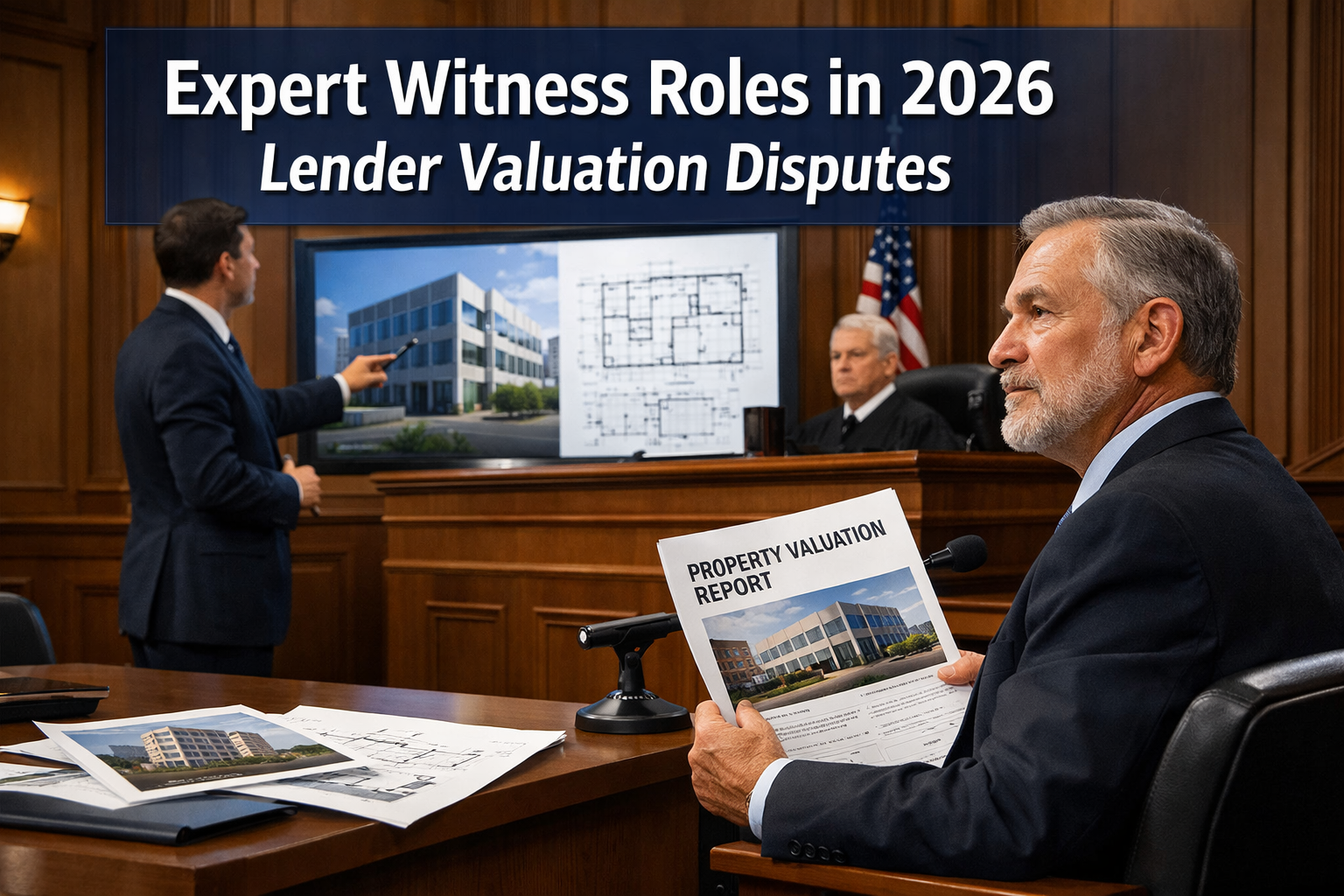
The property market in 2026 is experiencing a significant surge in lending activity, and with it comes an inevitable rise in valuation disputes between lenders and borrowers. When mortgage transactions increase, so do disagreements over property values—and that's where expert witnesses become absolutely critical. These specialized professionals bridge the gap between complex property valuation methodologies and courtroom proceedings, transforming technical building survey data into compelling legal evidence. Understanding Expert Witness Roles in 2026 Lender Valuation Disputes: Evidence Standards Amid Rising Transactions has never been more important for property professionals, lenders, and legal teams navigating today's dynamic real estate landscape. 🏛️
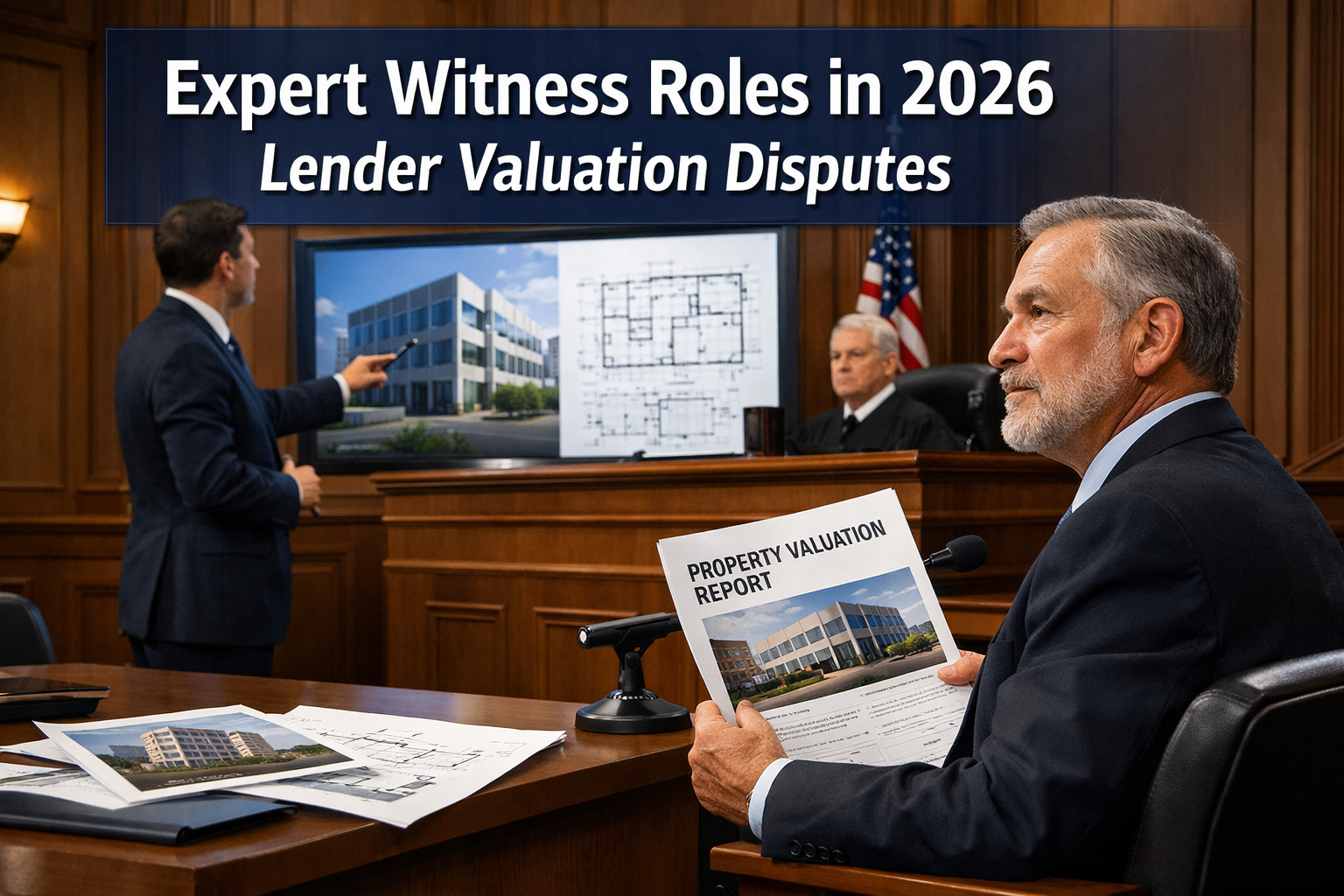
As transaction volumes climb throughout 2026, the demand for qualified expert witnesses who can effectively communicate valuation principles has skyrocketed. These professionals must not only possess deep technical knowledge of RICS property valuations but also understand the strict evidentiary standards that govern their testimony in legal proceedings.
Key Takeaways
- Expert witnesses must meet rigorous disclosure requirements under Rule 26(a)(2)(B), including complete statements of opinions, qualifications, testimony history, and compensation details[1]
- Admissibility standards require preponderance of evidence under Rule 702, with experts needing to demonstrate relevance, proper methodology, and appropriate valuation standards[1]
- Compensation for real estate valuation experts ranges from $175 to $450 per hour depending on expertise level and case complexity[2]
- Common dispute areas include property appraisals, eminent domain cases, tax disputes, zoning conflicts, and divorce proceedings involving property division[2]
- Building survey evidence integration is essential for expert testimony to withstand scrutiny in 2026's elevated transaction environment
Understanding Expert Witness Qualifications in Property Valuation Disputes
The Legal Framework for Expert Testimony
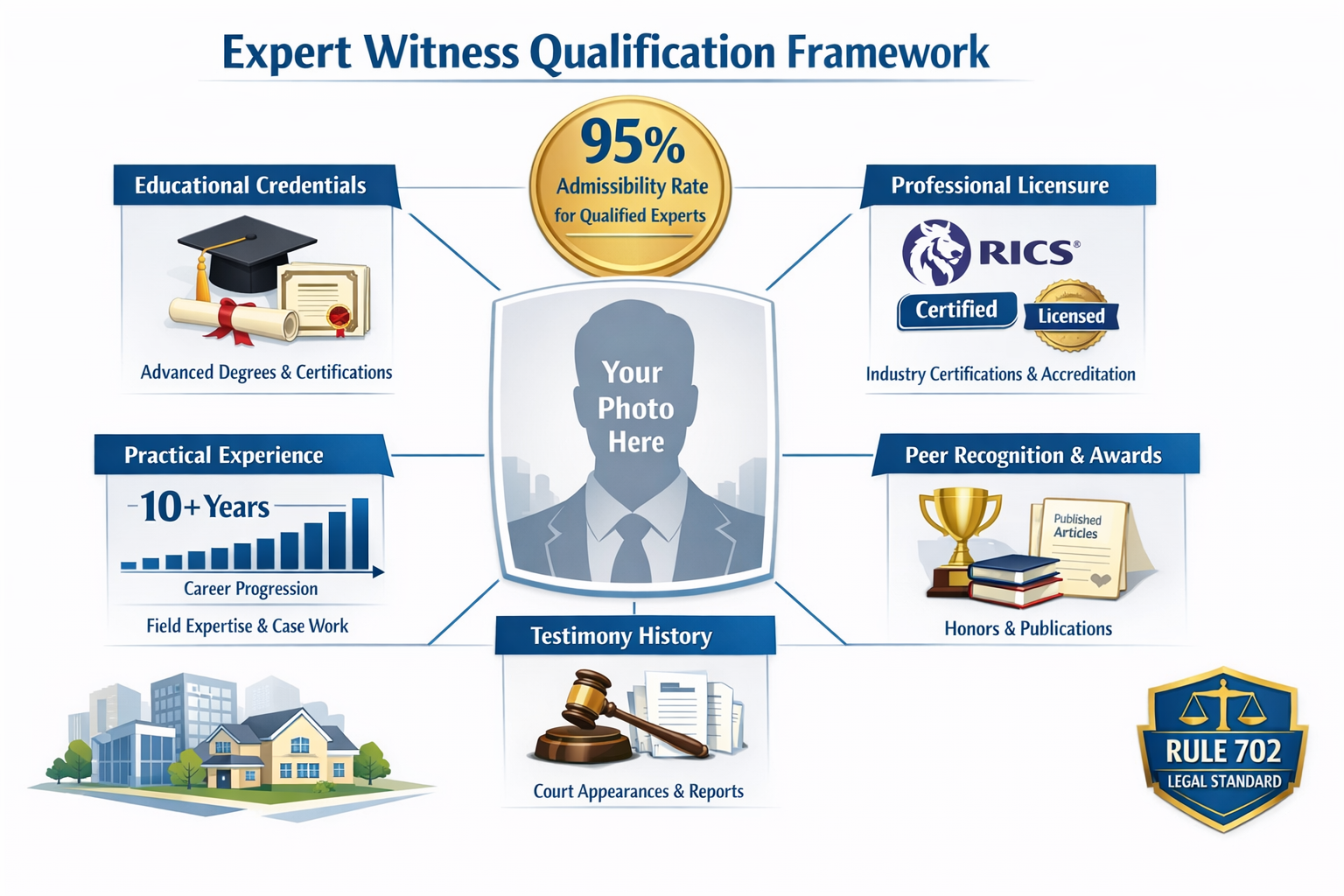
Expert witnesses in lender valuation disputes operate within a carefully defined legal framework that has evolved to ensure reliability and credibility. Courts interpret expert qualifications liberally, considering multiple factors beyond simple credentials[1]. This approach recognizes that expertise in property valuation comes from diverse sources.
The qualification criteria include:
- Educational background in real estate, surveying, or related fields
- Professional licensure and certifications (RICS, FRICS, etc.)
- Practical experience conducting valuations and surveys
- Peer recognition within the surveying community
- Contributions to the discipline through publications or teaching
Importantly, there is no prior "admission" requirement—courts evaluate each expert's qualifications fresh for each case[1]. This flexibility allows experienced practitioners, including those who specialize in building surveys, to serve as expert witnesses even without extensive courtroom experience.
Mandatory Disclosure Requirements Under Rule 26(a)(2)(B)
One of the most critical aspects of Expert Witness Roles in 2026 Lender Valuation Disputes: Evidence Standards Amid Rising Transactions involves comprehensive disclosure obligations. Expert witnesses must provide[1]:
| Disclosure Element | Requirement |
|---|---|
| Complete Statement of Opinions | All conclusions regarding property value, methodology used, and basis for opinions |
| Facts and Data Considered | Every document, survey, comparable sale, and data point reviewed |
| Qualifications | Educational credentials, professional memberships, certifications |
| Publications | All works published in the previous 10 years |
| Testimony History | Cases testified in during the last four years |
| Compensation | Exact amounts being paid for the expert's services |
These disclosure requirements serve a dual purpose: they ensure transparency and allow opposing counsel to properly prepare cross-examination. For surveyors accustomed to producing detailed survey reports, this level of documentation should feel familiar—though the legal consequences of incomplete disclosure can be severe, including exclusion of testimony entirely.
Compensation Standards for Valuation Experts in 2026
The financial aspect of expert witness work has become increasingly standardized. In 2026, real estate valuation expert witnesses typically receive compensation ranging from $175 to $450 per hour or higher, depending on various circumstances[2]. These rates are negotiated between retaining attorneys and the experts themselves.
Factors influencing compensation rates include:
- Complexity of the valuation (commercial vs. residential, unique properties)
- Geographic location and local market conditions
- Expert's credentials and experience level
- Time commitment required for case review and testimony
- Urgency of the case and scheduling demands
💰 Pro Tip: Transparency about compensation is mandatory—experts must disclose exact amounts received, and attempts to hide or minimize compensation details can undermine credibility during cross-examination.
Evidence Standards and Admissibility Requirements for Expert Witness Roles in 2026 Lender Valuation Disputes
The Preponderance of Evidence Standard
Expert testimony in lender valuation disputes is evaluated under a "preponderance of the evidence" standard under Rule 702[1]. This means the expert's methodology and conclusions must be "more likely than not" to be reliable and relevant—a threshold lower than "beyond a reasonable doubt" but still requiring substantial justification.
The burden rests entirely on the proponent (the party seeking to introduce the expert testimony) to demonstrate admissibility[1]. For lenders or borrowers relying on property assessment experts, this means working closely with legal counsel to ensure all evidentiary foundations are properly established before trial.
Relevance and the Critical "Fit" Requirement
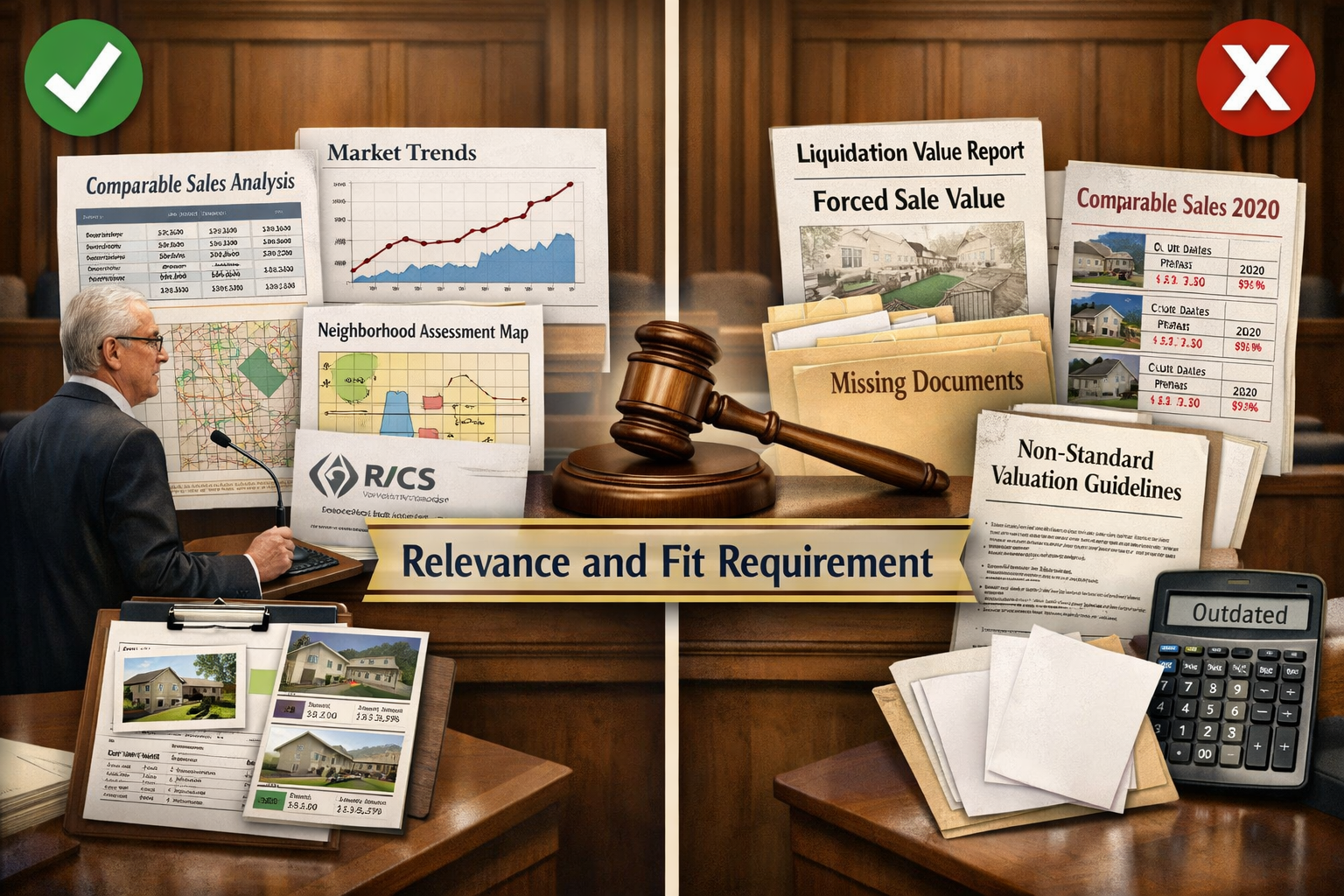
Perhaps the most common pitfall in Expert Witness Roles in 2026 Lender Valuation Disputes: Evidence Standards Amid Rising Transactions involves the relevance and "fit" requirement. Expert opinions must be directly relevant to the specific facts of the case and must apply appropriate valuation standards[1].
Courts have excluded expert testimony when witnesses applied incorrect valuation methodologies, such as:
- Using liquidation value when fair market value was the appropriate standard
- Applying book value instead of fair market value in property disputes
- Relying on outdated comparable sales data from pre-2026 market conditions
- Failing to account for property-specific defects identified in building surveys
This "fit" requirement means that experts must thoroughly understand not just valuation principles generally, but the specific legal and factual context of each dispute. A surveyor who regularly conducts RICS surveys must adapt their standard methodology to address the precise valuation question at issue in the litigation.
Integration of Building Survey Evidence
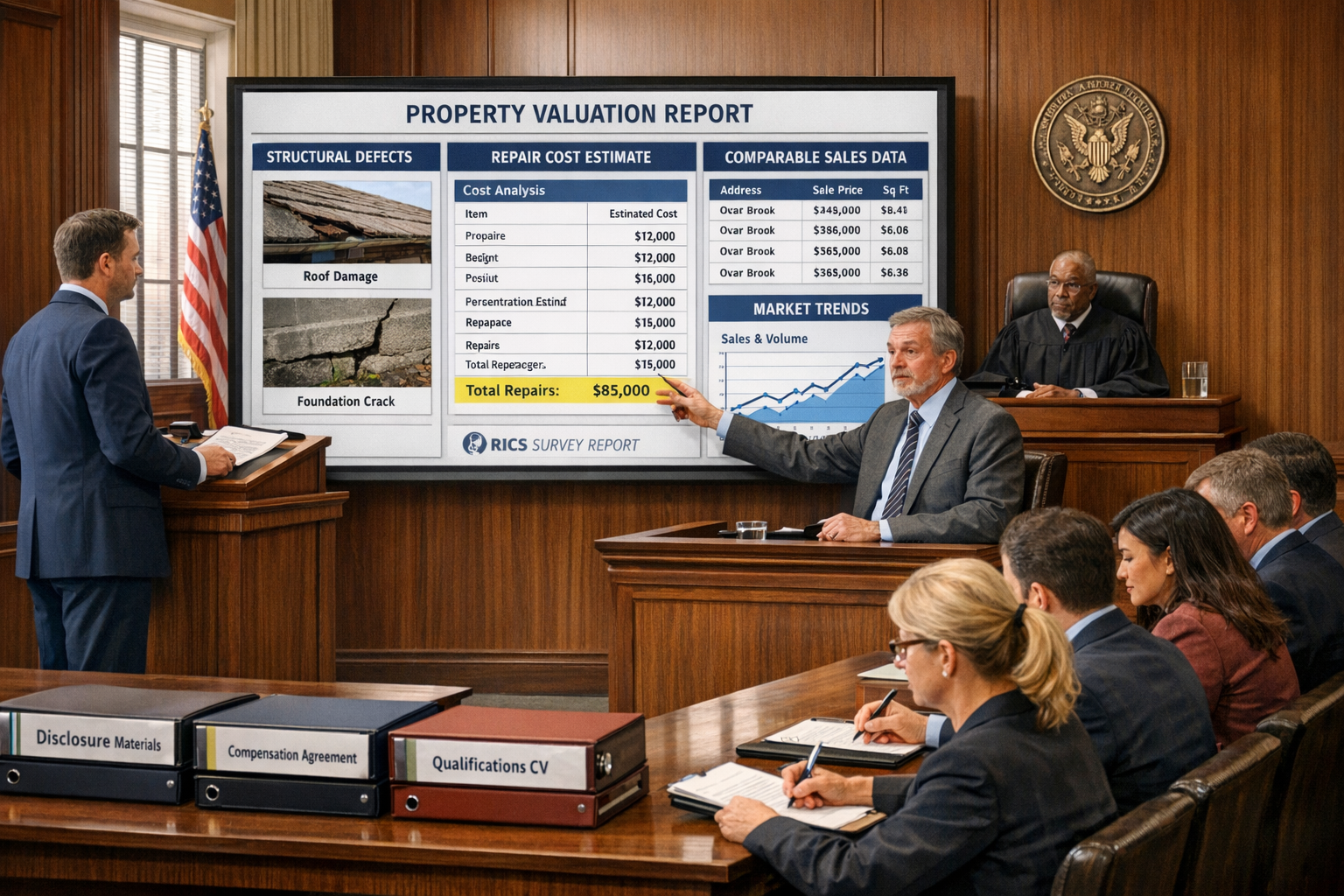
In 2026's elevated transaction environment, building survey evidence has become increasingly central to lender valuation disputes. Expert witnesses must effectively integrate findings from comprehensive property inspections into their valuation opinions.
Key building survey elements that strengthen expert testimony include:
✅ Structural defect documentation with photographic evidence
✅ Cost-to-cure estimates for identified repairs
✅ Comparable property analysis adjusted for condition differences
✅ Market impact assessments of disclosed defects
✅ Compliance issues affecting property value and marketability
Surveyors who understand what surveyors do in their daily practice have a natural advantage when translating technical findings into legally admissible valuation opinions. The key is maintaining the same rigor and documentation standards in litigation contexts as in standard survey work.
Common Case Types and Winning Testimony Techniques in 2026 Valuation Disputes
Typical Lender Valuation Dispute Scenarios
Expert witnesses encounter several recurring case types in the current market environment[2]:
1. Property Appraisal Challenges
Borrowers or lenders dispute the appraised value used for mortgage underwriting, often when market conditions shift rapidly between appraisal and closing.
2. Eminent Domain Cases
Government entities acquire property for public use, triggering disputes over "just compensation" and fair market value determinations.
3. Property Tax Disputes
Property owners challenge assessed values for taxation purposes, requiring expert analysis of comparable sales and assessment methodologies.
4. Zoning and Land Use Conflicts
Changes in permitted uses affect property values, necessitating expert testimony on valuation impacts of regulatory restrictions.
5. Divorce Proceedings
Marital property division requires neutral expert valuation to ensure equitable distribution of real estate assets.
Effective Testimony Techniques for Building Survey Integration
Expert witnesses who successfully navigate Expert Witness Roles in 2026 Lender Valuation Disputes: Evidence Standards Amid Rising Transactions employ several proven testimony techniques:
Clear Communication of Technical Concepts 📊
Judges and juries rarely have surveying expertise. Effective experts translate technical jargon into accessible language without oversimplifying. For example, rather than stating "significant subsidence evidenced by progressive diagonal cracking," an expert might explain "the foundation has settled unevenly, causing cracks that will worsen over time and reduce the property's value by approximately £45,000."
Comprehensive Visual Aids
Photographs, diagrams, and comparison charts dramatically improve jury comprehension. Experts should prepare:
- Side-by-side photos of subject property versus comparable sales
- Annotated images highlighting defects discovered during surveys
- Charts showing valuation adjustments for condition differences
- Maps illustrating neighborhood characteristics and market boundaries
Methodological Transparency
Winning experts openly explain their valuation methodology, including assumptions, data sources, and adjustment rationale. This transparency builds credibility and demonstrates the reliability required under Rule 702[1].
"The most persuasive expert witnesses don't just present conclusions—they take the court on a journey through their analytical process, making each step logical and inevitable."
Avoiding Common Pitfalls in Expert Testimony
Several mistakes can undermine even the most qualified expert's credibility:
❌ Relying on Privileged or Undisclosed Materials
Experts must base opinions exclusively on materials available and disclosed to opposing parties. Using confidential attorney work product or undisclosed documents violates disclosure requirements[1].
❌ Inconsistent Methodology
Applying different valuation approaches to similar properties without clear justification suggests bias rather than expertise.
❌ Overreaching Beyond Qualifications
A residential surveyor should not opine on complex commercial property valuations without demonstrable expertise in that sector.
❌ Advocacy Rather Than Analysis
Experts serve as educators, not advocates. Testimony that appears results-driven rather than methodology-driven quickly loses credibility.
❌ Inadequate Preparation
Failing to review all case materials, understand opposing expert reports, or anticipate cross-examination questions demonstrates unprofessionalism.
Timing and Disclosure Strategy
Strategic timing of expert disclosure can significantly impact case outcomes. While disclosure requirements mandate sharing expert reports well before trial[1], the preparation phase deserves careful attention:
Early Engagement Benefits:
- Allows comprehensive property inspection and data collection
- Provides time for thorough comparable sales research
- Enables detailed report preparation meeting all Rule 26(a)(2)(B) requirements
- Permits coordination with legal strategy and other experts
Late Engagement Risks:
- Rushed analysis may overlook critical valuation factors
- Incomplete disclosure documentation
- Limited time for opposing expert rebuttal preparation
- Potential court sanctions for untimely disclosure
For property professionals considering expert witness work, understanding these timing considerations is as important as technical valuation skills.
RICS Standards and Professional Obligations in Expert Witness Work
Maintaining Professional Independence
Expert witnesses who are RICS-qualified surveyors must balance their legal obligations with professional standards. The RICS surveyor role inherently requires objectivity and independence—qualities equally essential in litigation contexts.
Key RICS principles for expert witnesses:
🎯 Duty to the Court First
An expert's primary obligation is to the court, not to the retaining party. This means providing honest, unbiased opinions even when unfavorable to the client's position.
🎯 Competence and Scope Limitations
Experts should only accept assignments within their genuine area of expertise and decline cases requiring knowledge beyond their qualifications.
🎯 Continuing Professional Development
Maintaining current knowledge of valuation methodologies, market conditions, and legal standards ensures testimony remains credible and relevant.
🎯 Conflict of Interest Disclosure
Any relationships, financial interests, or prior involvement with the subject property must be disclosed immediately.
Integrating Survey Methodology with Legal Requirements
The intersection of professional surveying standards and legal evidence requirements creates unique challenges. A comprehensive RICS building survey provides excellent foundation material for expert testimony, but requires adaptation for litigation purposes.
Survey-to-Testimony Translation Process:
- Standard Survey Completion following RICS guidelines
- Legal Issue Identification in consultation with retaining counsel
- Targeted Supplemental Investigation addressing specific dispute points
- Valuation Impact Analysis quantifying effect of findings
- Expert Report Preparation meeting Rule 26(a)(2)(B) disclosure requirements
- Deposition and Trial Testimony communicating findings effectively
This process ensures that the technical rigor of professional surveying enhances rather than conflicts with legal evidentiary standards.
Preparing for Cross-Examination and Rebuttal
Anticipating Challenges to Methodology
Opposing counsel will scrutinize every aspect of an expert's methodology during cross-examination. Preparation requires anticipating common attack vectors:
Comparable Sales Selection
"Why did you choose properties A, B, and C as comparables but exclude property D, which sold for significantly less?"
Adjustment Calculations
"Can you explain the mathematical basis for your 15% adjustment for property condition? Isn't that figure somewhat arbitrary?"
Data Currency
"Your comparable sales are from six months ago. Haven't market conditions changed substantially since then?"
Alternative Methodologies
"Why didn't you use the income capitalization approach in addition to the sales comparison approach?"
Effective experts prepare detailed written justifications for every methodological choice, supported by industry standards, market data, and professional judgment documentation.
Responding to Opposing Expert Reports
In most lender valuation disputes, both sides retain experts, creating dueling opinions that courts must reconcile. Understanding how to effectively rebut opposing expert testimony is crucial for Expert Witness Roles in 2026 Lender Valuation Disputes: Evidence Standards Amid Rising Transactions.
Effective Rebuttal Strategies:
Methodological Critique
Identify where opposing experts deviated from accepted valuation standards or RICS guidelines. For example, if an opposing expert failed to physically inspect the property before opining on value, this represents a significant methodological flaw.
Data Quality Analysis
Challenge the reliability of comparable sales data, market trend assumptions, or adjustment calculations. Superior data quality often determines which expert the court finds more persuasive.
Qualification Comparison
While avoiding ad hominem attacks, legitimate differences in expertise, experience, and credentials can be relevant to weight and credibility.
Internal Inconsistency Identification
Opposing expert reports sometimes contain contradictory statements or calculations. Identifying these inconsistencies can undermine overall credibility.
The Impact of Rising Transaction Volumes on Expert Witness Demand
Market Dynamics in 2026
The surge in lending activity throughout 2026 has created unprecedented demand for qualified expert witnesses in valuation disputes. Several factors drive this trend:
📈 Increased Transaction Volume = More opportunities for valuation disagreements
📈 Market Volatility = Greater divergence between appraisals and actual values
📈 Regulatory Scrutiny = Heightened lender requirements for valuation support
📈 Litigation Awareness = Borrowers more willing to challenge unfavorable valuations
This elevated demand environment creates opportunities for qualified surveyors to expand into expert witness work, but also raises the stakes for maintaining professional standards and credibility.
Building a Sustainable Expert Witness Practice
For surveyors considering regular expert witness work alongside traditional survey practice, several considerations warrant attention:
Time Management
Litigation timelines often conflict with survey scheduling. Successful expert witnesses develop systems for managing both commitments without compromising quality.
Professional Insurance
Expert witness work may require additional professional indemnity coverage beyond standard surveying policies. Verify coverage adequacy before accepting assignments.
Reputation Management
A single poorly prepared testimony can damage professional reputation more than years of quality survey work can build. Selective case acceptance and thorough preparation are essential.
Continuing Education
Legal standards, valuation methodologies, and market conditions evolve constantly. Regular training in both surveying and legal aspects of expert testimony maintains competitiveness.
Conclusion
Expert Witness Roles in 2026 Lender Valuation Disputes: Evidence Standards Amid Rising Transactions represents a critical intersection of property surveying expertise, legal knowledge, and communication skills. As lending volumes continue climbing throughout 2026, the demand for qualified expert witnesses who can effectively bridge technical valuation methodologies and courtroom proceedings has never been higher.
Successful expert witnesses understand that their role extends far beyond simply providing an opinion on property value. They must navigate complex disclosure requirements under Rule 26(a)(2)(B), meet rigorous admissibility standards under Rule 702, and communicate technical concepts to lay audiences with clarity and credibility[1]. The integration of comprehensive building survey evidence strengthens expert testimony and provides the factual foundation necessary to withstand cross-examination.
For property professionals, understanding these evidence standards and testimony techniques offers multiple benefits: enhanced credibility in existing survey practice, opportunities for expert witness engagements, and deeper insight into how valuation disputes are resolved in litigation contexts. Whether conducting routine property valuations or preparing for courtroom testimony, the principles of methodological rigor, comprehensive documentation, and professional independence remain constant.
Actionable Next Steps
✅ Review your professional qualifications against expert witness criteria—identify gaps in credentials, publications, or experience that could strengthen your expert profile
✅ Develop comprehensive documentation systems that meet both RICS standards and legal disclosure requirements for all valuation work
✅ Invest in communication skills training focused on translating technical concepts for non-expert audiences
✅ Build relationships with legal professionals who handle property disputes and may need expert witness services
✅ Stay current on valuation methodology updates and legal standards affecting expert testimony admissibility
✅ Consider specialized training in expert witness testimony techniques and courtroom procedures
The convergence of rising transaction volumes and increasingly sophisticated valuation disputes ensures that expert witnesses will remain essential to resolving lender-borrower conflicts throughout 2026 and beyond. Those who master both the technical and testimonial aspects of this specialized role will find abundant opportunities to contribute to fair, evidence-based dispute resolution in the property sector.