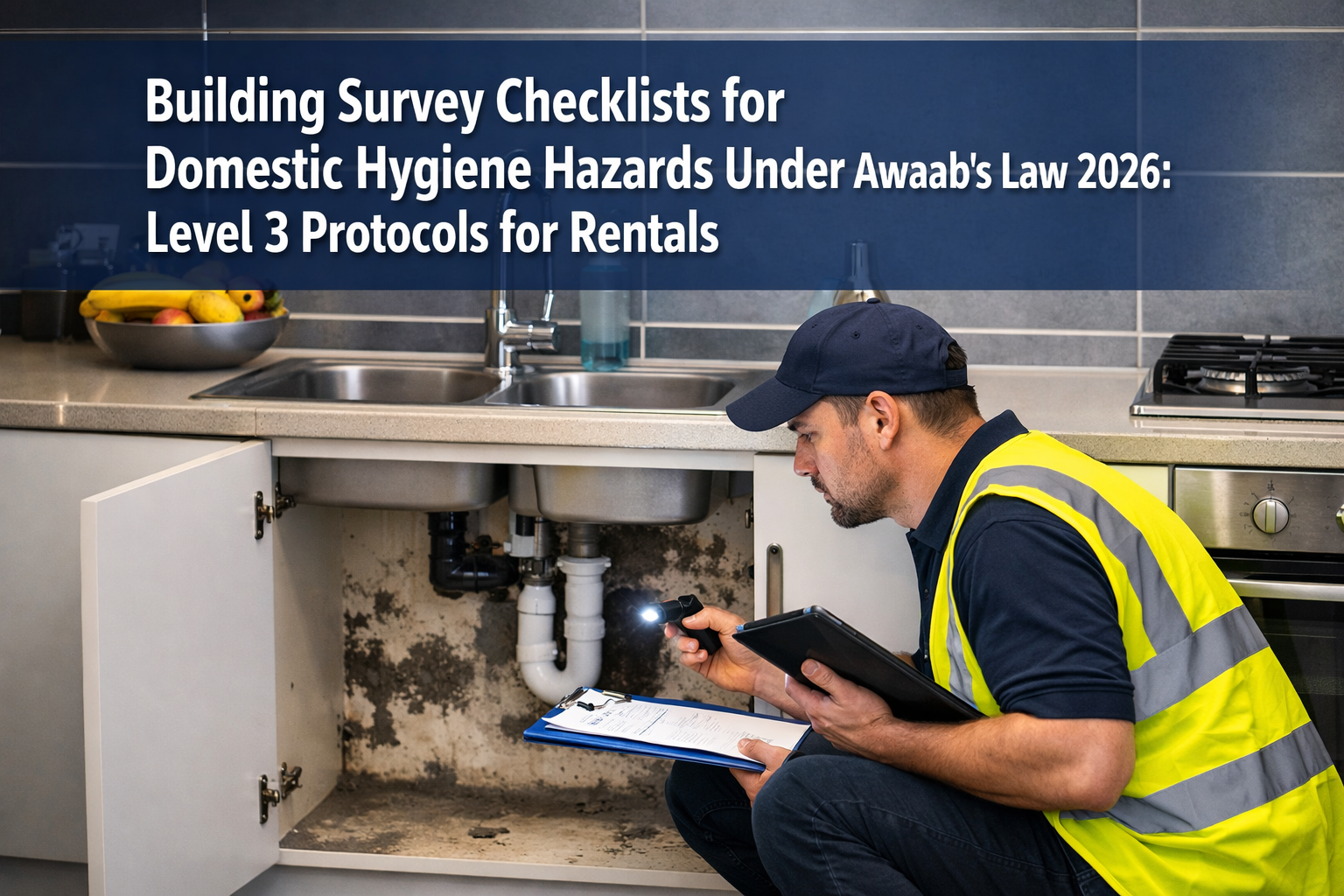
Social housing providers face a stark reality: from May 2026, domestic hygiene hazards including poor sanitation, drainage failures, and food safety risks now fall under mandatory investigation timelines. The second phase of Awaab's Law has expanded beyond damp and mould to encompass a broader spectrum of health threats in rental properties, fundamentally changing how building surveyors must approach Level 3 inspections in the private rented sector (PRS).
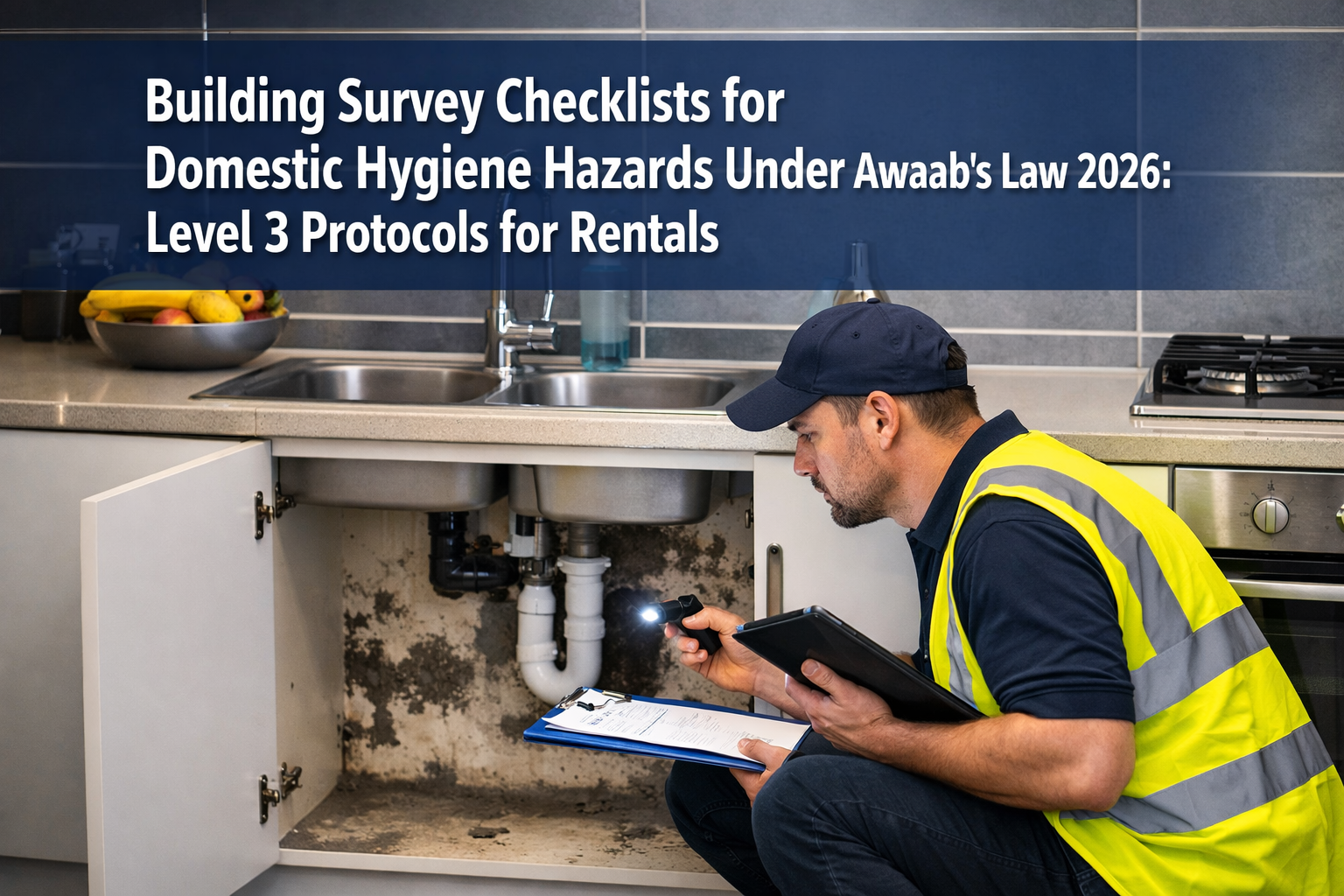
Building Survey Checklists for Domestic Hygiene Hazards Under Awaab's Law 2026: Level 3 Protocols for Rentals represents a critical evolution in property assessment methodology. Landlords and property managers must now implement comprehensive inspection protocols that identify, document, and remediate hygiene-related defects within strict statutory timeframes. The stakes are high: non-compliance can result in enforcement orders, compensation claims, and potential loss of rental income if properties become uninhabitable [6].
Key Takeaways
- 🔍 Phase 2 Expansion: Awaab's Law now covers domestic hygiene, sanitation, drainage, and food safety hazards requiring investigation within 10 working days of identification [4]
- ⏱️ Strict Timelines: Landlords must provide written summaries within 3 working days after investigation and complete safety works within 5 working days [5]
- 📋 Level 3 Protocols: Building surveys must incorporate person-centred assessments considering tenant vulnerabilities, not just HHSRS Category 1 thresholds [7]
- 💰 Financial Impact: Non-compliance leads to enforcement action, legal costs, and potential valuation impacts on rental portfolios
- 📁 Documentation Requirements: Complete assessment and remediation records must be retained for at least 6 years [4]
Understanding Awaab's Law 2026 Phase 2 Hygiene Hazard Requirements
The tragic death of two-year-old Awaab Ishak from prolonged exposure to mould in his family's social housing flat catalyzed legislative change. While Phase 1 of Awaab's Law addressed damp and mould hazards, Phase 2 commenced in 2026 to tackle a wider range of domestic hygiene threats that pose significant health risks to tenants [4].
What Hazards Are Now Covered?
The expanded legislation specifically includes:
- Domestic and personal hygiene facilities (bathrooms, toilets, washing areas)
- Sanitation systems (sewage, waste disposal, ventilation)
- Drainage infrastructure (internal and external drainage, blockages, backflow)
- Food safety hazards (kitchen hygiene, pest infestations, contamination risks)
These hazards fall under the regulatory framework when they present a significant risk of harm to tenants. Critically, the law adopts a person-centred approach: a hazard doesn't need to reach Category 1 status under the Housing Health and Safety Rating System (HHSRS) if tenant circumstances indicate vulnerability [7].
Key Statutory Timelines
Landlords and surveyors must adhere to precise timeframes:
| Action Required | Timeline | Compliance Requirement |
|---|---|---|
| Investigation commencement | Within 10 working days | From becoming aware of significant hazard [5] |
| Written summary to tenant | Within 3 working days | After investigation concludes [5] |
| Safety works completion | Within 5 working days | After investigation conclusion [5] |
| Complex works commencement | Within 5 working days | Must start no later than 12 weeks after investigation [5] |
| Record retention | Minimum 6 years | Complete assessment and remediation documentation [4] |
Understanding these requirements is essential for property professionals conducting Level 3 building surveys on rental properties.
Building Survey Checklists for Domestic Hygiene Hazards: Level 3 Inspection Protocols
Level 3 building surveys represent the most comprehensive property assessment available. When applied to Building Survey Checklists for Domestic Hygiene Hazards Under Awaab's Law 2026: Level 3 Protocols for Rentals, surveyors must integrate hygiene hazard identification into their standard inspection methodology.
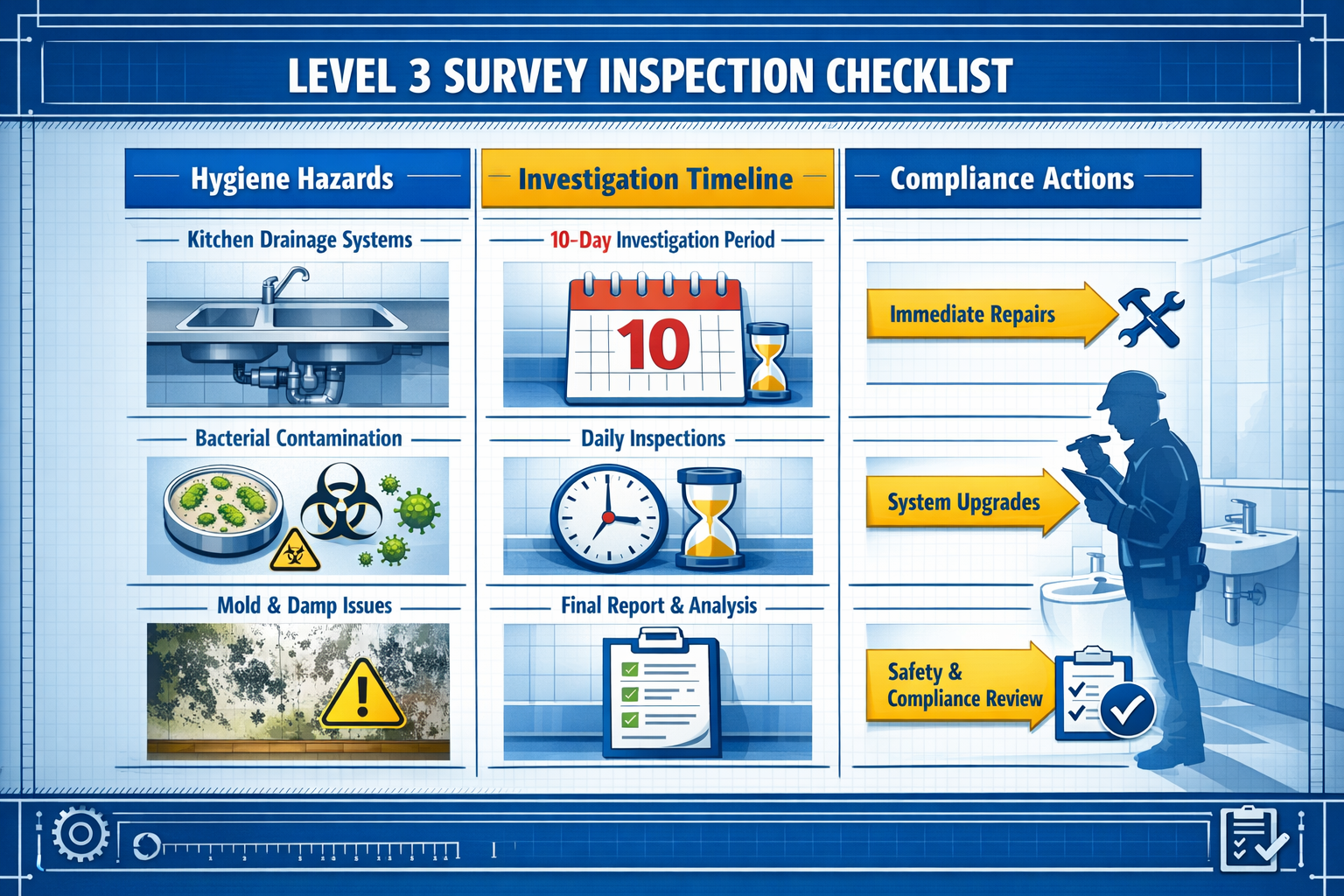
Essential Checklist Components for Hygiene Hazards
1. Sanitation and Drainage Systems 🚽
A thorough Level 3 inspection must evaluate:
- Toilet facilities: Functionality, ventilation, cleanliness standards, accessibility
- Sewage systems: Evidence of blockages, backflow, odours, or contamination
- Drainage infrastructure: Internal waste pipes, external drainage, gully condition
- Ventilation adequacy: Extract fans, natural ventilation, air circulation in bathrooms
- Water supply: Hot water availability, pressure, temperature control
Red flags include persistent sewage odours, visible waste backup, inadequate ventilation causing moisture accumulation, and non-functioning sanitation facilities. These require immediate documentation and reporting under the 10-day investigation requirement [5].
2. Kitchen and Food Safety Areas 🍽️
Food safety hazards now fall explicitly within Awaab's Law scope. Surveyors must assess:
- Kitchen hygiene standards: Surface conditions, pest evidence, contamination risks
- Waste disposal systems: Bin storage, refuse collection access, vermin attraction
- Food storage facilities: Refrigeration, ventilation, temperature control
- Water quality: Drinking water safety, supply contamination risks
- Pest infestations: Evidence of rodents, insects, or other vermin
Properties with inadequate food preparation facilities, pest infestations, or contaminated water supplies present significant health risks requiring urgent remediation.
3. Personal Hygiene Facilities 🛁
Bathrooms and washing areas demand careful scrutiny:
- Bathing facilities: Functionality of baths, showers, accessibility
- Hot water systems: Adequacy, safety, temperature regulation
- Surface conditions: Mould growth, water damage, deteriorating finishes
- Privacy and dignity: Adequate facilities for household size
- Accessibility: Suitability for vulnerable or disabled occupants
The person-centred approach means surveyors must consider whether facilities meet the specific needs of current tenants, particularly those with health vulnerabilities or mobility limitations [7].
4. Moisture and Ventilation Assessment 💧
While damp and mould were Phase 1 priorities, they remain interconnected with hygiene hazards:
- Moisture sources: Leaks, condensation, rising damp affecting sanitation areas
- Ventilation systems: Mechanical and natural ventilation effectiveness
- Mould growth: Location, extent, underlying causes
- Structural water ingress: Impact on hygiene facility integrity
Surveyors should reference damp survey protocols when moisture issues compound hygiene hazards.
Person-Centred Assessment Methodology
A fundamental shift in Building Survey Checklists for Domestic Hygiene Hazards Under Awaab's Law 2026: Level 3 Protocols for Rentals is the requirement to assess tenant circumstances. Surveyors must document:
- Household composition: Number of occupants, ages, family structure
- Health vulnerabilities: Respiratory conditions, immune deficiencies, disabilities
- Age-related risks: Young children, elderly residents, pregnancy
- Mobility limitations: Accessibility requirements for hygiene facilities
- Cultural considerations: Adequate facilities for household needs
This information determines whether a hazard is "significant" even if it wouldn't reach Category 1 under standard HHSRS assessment [7]. A blocked toilet in a property housing an elderly disabled tenant represents a more significant hazard than in a property with young, able-bodied occupants.
Implementing Compliance Protocols: Documentation, Remediation, and Valuation Impact
Effective compliance with Building Survey Checklists for Domestic Hygiene Hazards Under Awaab's Law 2026: Level 3 Protocols for Rentals requires robust documentation systems and clear remediation pathways.
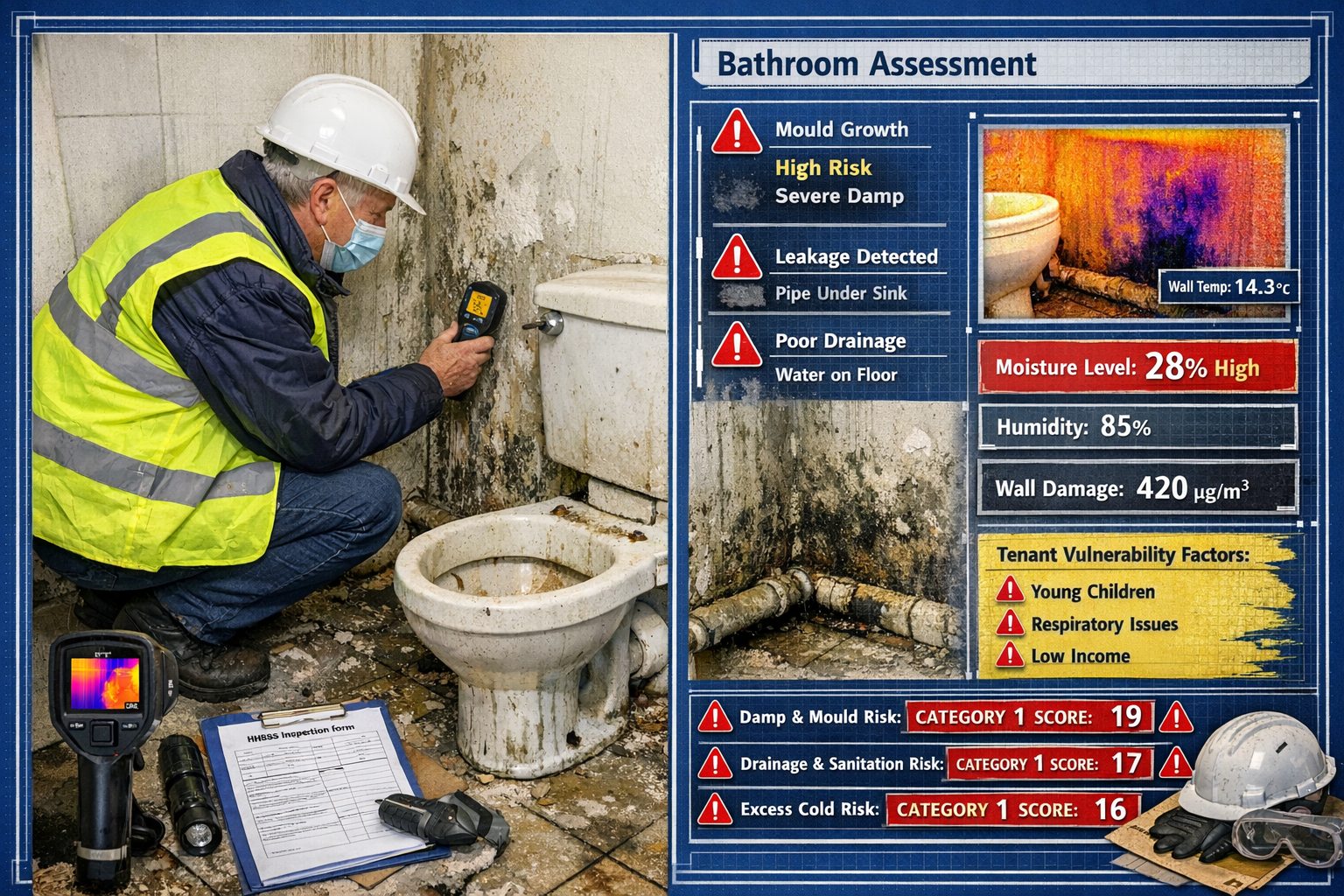
Documentation Requirements and Record-Keeping
Surveyors must create comprehensive records including:
Initial Inspection Documentation:
- Date and time of inspection
- Detailed photographic evidence of all hygiene hazards
- Moisture readings, thermal imaging results where relevant
- Tenant vulnerability assessment
- HHSRS scoring (even if not Category 1)
- Immediate risk evaluation
Investigation Records:
- Timeline of investigation activities
- Specialist reports (drainage surveys, pest control assessments)
- Communication logs with tenants
- Risk assessment conclusions
- Prioritization of remediation works
Remediation Documentation:
- Detailed scope of works required
- Timeline for completion (5-day safety works vs. complex works)
- Contractor specifications and qualifications
- Completion certificates and photographic evidence
- Tenant confirmation of satisfactory completion
All documentation must be retained for at least 6 years [4], creating significant data management obligations for landlords and property managers.
Defect Prioritization Framework
Not all hygiene hazards require identical response times. Surveyors should categorize defects:
Category A: Immediate Safety Works (5-day completion) ⚠️
- Complete sewage system failure
- Contaminated water supply
- Severe pest infestation posing immediate health risk
- Non-functioning toilet in single-facility property
- Dangerous drainage blockages causing flooding
Category B: Complex Supplementary Works (commence within 5 days, start within 12 weeks) 🔧
- Comprehensive drainage system replacement
- Major kitchen refurbishment for hygiene compliance
- Extensive bathroom renovation
- Structural repairs affecting sanitation facilities
- Ventilation system installation or upgrade
Category C: Preventative Maintenance ✅
- Minor repairs to maintain hygiene standards
- Regular cleaning and maintenance schedules
- Periodic drainage inspections
- Ventilation system servicing
This prioritization ensures compliance with statutory timelines while managing resource allocation effectively [5].
Valuation and Financial Implications
Hygiene hazards identified during Level 3 surveys have direct financial consequences:
For Buyers: Properties with documented hygiene defects provide negotiation leverage. RICS property valuations must reflect remediation costs, potentially reducing purchase prices by thousands of pounds.
For Landlords: Non-compliance risks include:
- Enforcement orders requiring immediate action
- Compensation payments to affected tenants
- Legal costs defending tribunal claims
- Loss of rental income if property becomes uninhabitable
- Reputational damage affecting portfolio value [6]
For Investors: Rental properties with recurring hygiene issues face:
- Increased void periods
- Higher maintenance costs
- Reduced tenant retention
- Lower market valuations
- Difficulty securing mortgage finance
Professional surveyors should clearly articulate these financial implications in their reports, linking hygiene defects to quantified remediation costs and potential value impacts.
Integration with Existing Survey Protocols
Building Survey Checklists for Domestic Hygiene Hazards Under Awaab's Law 2026: Level 3 Protocols for Rentals don't replace existing survey methodologies—they enhance them. Surveyors should integrate hygiene hazard assessment into:
- Standard Level 3 building surveys: Comprehensive property assessments already examine drainage, damp, and structural issues
- Pre-purchase surveys: Buyers need awareness of compliance obligations before completing transactions
- Landlord compliance audits: Periodic inspections ensuring ongoing regulatory adherence
- Tenant complaint investigations: Responding to reported hygiene concerns within statutory timeframes
Understanding when to commission different survey types helps property stakeholders select appropriate assessment levels.
Practical Implementation: Technology, Training, and Best Practices
Successfully implementing Building Survey Checklists for Domestic Hygiene Hazards Under Awaab's Law 2026: Level 3 Protocols for Rentals requires investment in technology, training, and systematic processes.
Digital Survey Tools and Software
Modern surveying increasingly relies on digital solutions:
- Mobile inspection apps: Real-time data capture, photographic evidence, automatic timestamp documentation
- Moisture meters and thermal imaging: Objective evidence of hygiene-related moisture issues
- Drainage cameras: Visual inspection of sewage and drainage systems
- Cloud-based reporting systems: Secure storage meeting 6-year retention requirements
- Compliance tracking software: Automated deadline monitoring for investigation and remediation timelines
These technologies improve accuracy, efficiency, and compliance documentation quality.
Surveyor Training and Competency
Awaab's Law compliance demands specific expertise:
- HHSRS assessment training: Understanding hazard scoring and significance thresholds
- Person-centred assessment skills: Evaluating tenant vulnerabilities appropriately
- Drainage and sanitation knowledge: Technical competency in hygiene systems
- Regulatory compliance understanding: Current awareness of statutory requirements
- Communication skills: Explaining findings clearly to tenants and landlords
RICS-qualified surveyors bring professional standards and insurance coverage essential for compliance work.
Landlord and Property Manager Responsibilities
Property owners must establish proactive systems:
Preventative Maintenance Programs:
- Regular drainage inspections and cleaning
- Periodic hygiene facility assessments
- Ventilation system servicing
- Pest control contracts
- Tenant education on reporting procedures
Rapid Response Protocols:
- 24/7 emergency reporting channels
- Pre-approved contractor networks
- Fast-track investigation procedures
- Clear escalation pathways for urgent hazards
Tenant Communication:
- Clear information about reporting hygiene concerns
- Accessible complaint procedures
- Regular updates during investigation and remediation
- Written summaries within 3-day statutory deadline [5]
Common Pitfalls and How to Avoid Them
❌ Pitfall 1: Treating all defects as non-urgent
✅ Solution: Implement triage systems prioritizing significant hazards requiring 10-day investigation
❌ Pitfall 2: Inadequate documentation
✅ Solution: Use standardized templates capturing all required information for 6-year retention
❌ Pitfall 3: Ignoring tenant vulnerabilities
✅ Solution: Conduct thorough person-centred assessments documenting household circumstances
❌ Pitfall 4: Missing statutory deadlines
✅ Solution: Deploy automated tracking systems with deadline alerts and escalation procedures
❌ Pitfall 5: Incomplete remediation
✅ Solution: Conduct post-works inspections with tenant sign-off before closing cases
Cost Considerations and Budgeting
Implementing comprehensive hygiene hazard protocols involves costs:
- Survey fees: Level 3 building surveys typically cost £800-£1,500 depending on property size and complexity
- Specialist investigations: Drainage surveys (£200-£500), pest control assessments (£100-£300)
- Remediation works: Highly variable—minor repairs (£200-£1,000) to major system replacements (£5,000-£20,000+)
- Ongoing compliance: Annual inspection programs, maintenance contracts, software subscriptions
Landlords should budget 1-2% of property value annually for compliance-related maintenance and inspections. Understanding survey costs helps property owners plan appropriately.
Regional Variations and Local Authority Enforcement
While Awaab's Law applies nationally, enforcement intensity varies by region. Local authorities in areas with older housing stock or higher social housing concentrations may prioritize compliance inspections.
High-priority enforcement areas typically include:
- Urban centers with aging rental stock
- Areas with documented health disparities
- Regions with historical housing quality issues
- Locations with active tenant advocacy groups
Property professionals should maintain awareness of local enforcement priorities and build relationships with environmental health officers to understand regional expectations.
Future Developments and Legislative Trajectory
Awaab's Law represents ongoing evolution in rental property standards. Anticipated developments include:
- Extension to private rented sector: Current focus on social housing may expand to all rental properties
- Additional hazard categories: Further phases may address other health and safety risks
- Stricter timelines: Potential reduction in investigation and remediation periods
- Enhanced penalties: Increased financial consequences for non-compliance
- Technology mandates: Requirements for digital monitoring and reporting systems
Property stakeholders should monitor legislative developments and maintain flexible compliance systems capable of adapting to regulatory changes.
Conclusion
Building Survey Checklists for Domestic Hygiene Hazards Under Awaab's Law 2026: Level 3 Protocols for Rentals represents a fundamental shift in property assessment methodology. The expansion of Awaab's Law to encompass sanitation, drainage, and food safety hazards demands comprehensive inspection protocols, person-centred risk assessment, and strict adherence to statutory timelines.
Surveyors must integrate hygiene hazard identification into Level 3 building surveys, documenting tenant vulnerabilities alongside technical defects. Landlords face clear obligations: investigate significant hazards within 10 working days, provide written summaries within 3 days, and complete safety works within 5 days [5]. Non-compliance carries serious financial and legal consequences including enforcement orders, compensation claims, and potential loss of rental income [6].
Actionable Next Steps
For Landlords and Property Managers:
- Commission comprehensive Level 3 surveys on rental properties identifying current hygiene hazards
- Implement digital tracking systems monitoring compliance deadlines
- Establish rapid-response protocols for tenant-reported concerns
- Develop preventative maintenance programs addressing hygiene systems
- Budget appropriately for compliance-related inspections and remediation works
For Surveyors and Property Professionals:
- Update inspection checklists incorporating Phase 2 hygiene hazard categories
- Develop person-centred assessment frameworks documenting tenant vulnerabilities
- Invest in digital survey tools enabling efficient documentation and reporting
- Pursue specialized training in HHSRS assessment and regulatory compliance
- Establish clear communication protocols ensuring statutory deadline adherence
For Tenants:
- Understand rights under Awaab's Law regarding hygiene hazard reporting
- Document concerns with photographs and written descriptions
- Report issues promptly through official channels
- Request written investigation summaries within 3-day timeframe
- Escalate to local authority environmental health if landlords fail to comply
The tragic circumstances that inspired Awaab's Law demand serious, systematic responses from all property stakeholders. By implementing robust Building Survey Checklists for Domestic Hygiene Hazards Under Awaab's Law 2026: Level 3 Protocols for Rentals, the property sector can protect tenant health, ensure regulatory compliance, and maintain rental property values in an increasingly regulated environment.
Professional guidance from qualified surveyors remains essential for navigating these complex requirements and implementing effective compliance strategies.
References
[1] Awaabs Law 2026 Hazard Expansions Surveyor Protocols For Electrical Fire And Excess Heat Risks In Rentals – https://nottinghillsurveyors.com/blog/awaabs-law-2026-hazard-expansions-surveyor-protocols-for-electrical-fire-and-excess-heat-risks-in-rentals
[2] Awaabs Law What Social Landlords Need To Know About Tackling Damp And Mould – https://www.rawlinspaints.com/blog/awaabs-law-what-social-landlords-need-to-know-about-tackling-damp-and-mould/
[3] Awaabs Law What Property Managers And Surveyors Must Know – https://www.howdengroup.com/uk-en/awaabs-law-what-property-managers-and-surveyors-must-know
[4] Awaabs Law – https://www.procurementhub.co.uk/news/awaabs-law/
[5] Awaabs Law Is Here The Surveyors Guide For Compliance – https://www.surventrix.com/blog/awaabs-law-is-here-the-surveyors-guide-for-compliance
[6] Awaabs Law Comes Into Force What Does It Mean For Construction – https://www.trowers.com/insights/2025/november/awaabs-law-comes-into-force-what-does-it-mean-for-construction
[7] Awaabs Law Guidance For Social Landlords Timeframes For Repairs In The Social Rented Sector – https://www.gov.uk/government/publications/awaabs-law-guidance-for-social-landlords/awaabs-law-guidance-for-social-landlords-timeframes-for-repairs-in-the-social-rented-sector