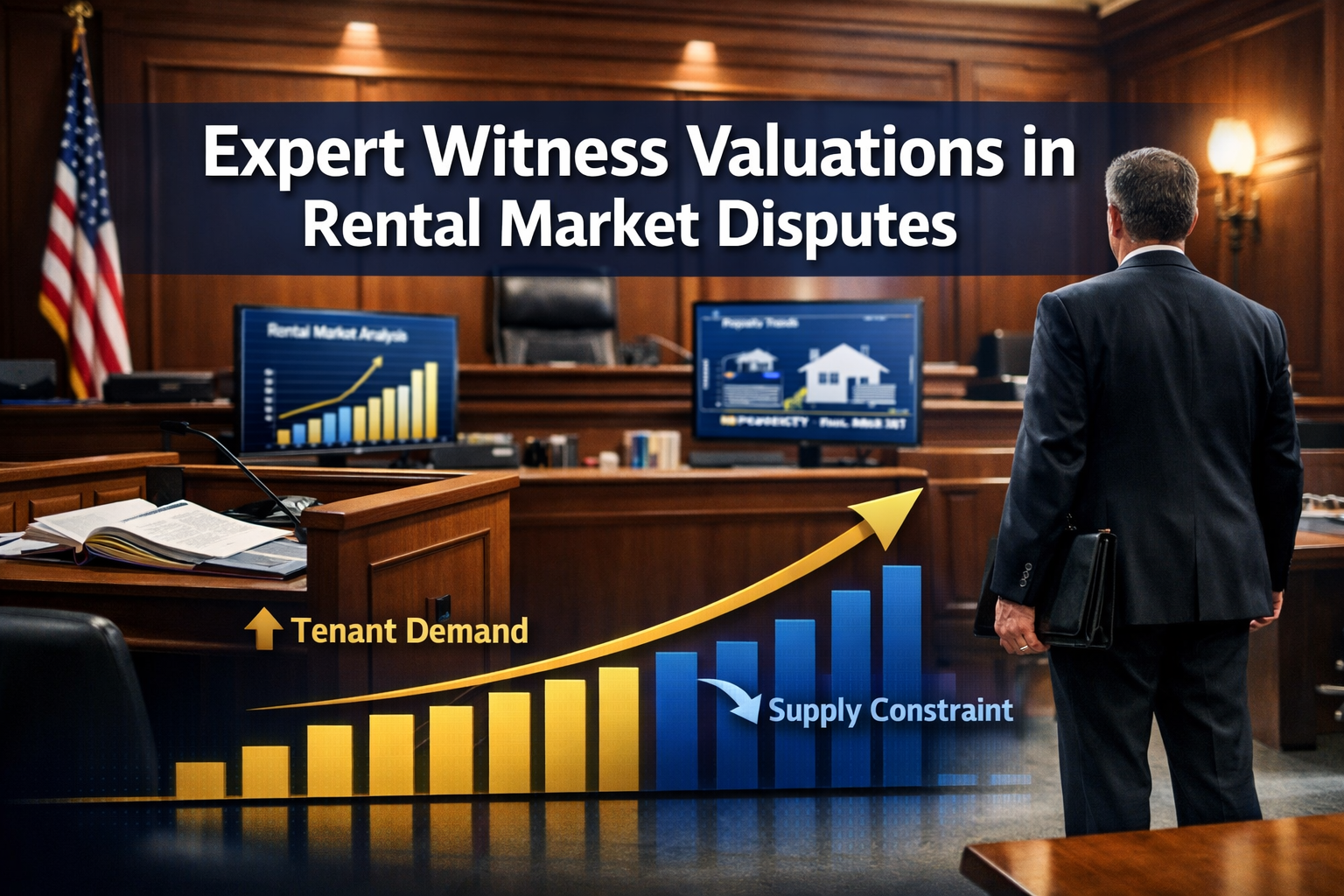
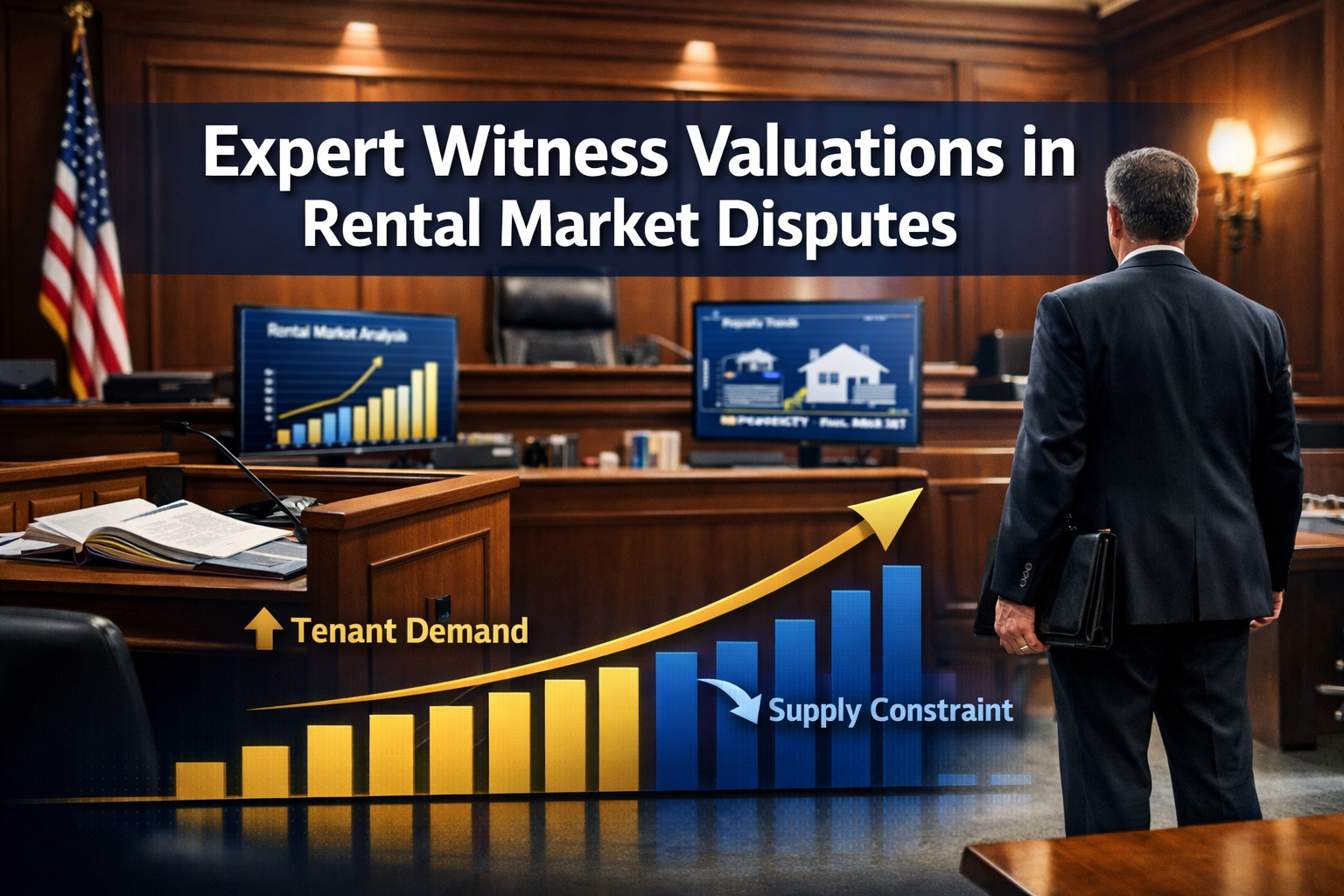
The rental market in 2026 has become a legal battleground. With tenant demand surging while landlord supply remains severely constrained, disputes over property valuations, rent levels, and lease terms are flooding courtrooms across the UK. In this environment, expert witness valuations have never been more critical—or more scrutinized.
Expert Witness Valuations in Rental Market Disputes: Building Credible Cases Amid Rising Tenant Demand and Constrained Supply requires a sophisticated understanding of current market dynamics, regulatory frameworks, and courtroom expectations. Recent landmark cases demonstrate that well-prepared expert testimony can be the deciding factor in complex rental disputes, particularly when addressing the supply-demand imbalance driving unprecedented price increases[1].
Key Takeaways
✅ Market dynamics in 2026 show rising tenant demand against constrained landlord supply, creating a volatile environment for rental valuations and increasing dispute frequency
✅ Expert witnesses must leverage regional data and RICS standards to build defensible valuations that withstand cross-examination in supply-constrained markets
✅ Recent case law confirms that expert testimony on lease interpretation, regulatory compliance, and damage calculations directly influences case outcomes and jury decisions
✅ Credible expert witness reports require comprehensive market analysis, transparent methodology, and clear documentation of comparable properties within the current supply-demand context
✅ Professional qualifications and independence remain paramount, with courts demanding RICS-accredited experts who demonstrate objectivity and thorough market knowledge
Understanding the 2026 Rental Market Landscape and Its Impact on Valuations
The rental market has fundamentally shifted in 2026, creating unprecedented challenges for property professionals and legal experts alike[2]. RICS lettings data reveals a persistent imbalance: tenant demand continues to climb while the supply of available rental properties remains stubbornly constrained. This supply-demand gap has driven rental prices upward across most UK regions, particularly in urban centers and commuter zones.
The Supply-Demand Imbalance
Several factors contribute to the current market conditions:
- Reduced landlord participation: Regulatory changes, tax adjustments, and increased compliance costs have prompted many landlords to exit the market
- Population growth and household formation: More people seeking rental accommodation, especially younger demographics
- Economic uncertainty: Potential homebuyers delaying purchases, remaining in the rental sector longer
- Regional variations: Some areas experience acute shortages while others show moderate constraints
This imbalance creates a challenging environment for property assessment and valuation work. Traditional valuation methods may not fully capture the market dynamics when supply constraints artificially inflate prices beyond historical norms.
Why This Matters for Expert Witnesses
Expert witnesses working on rental market disputes must understand these dynamics thoroughly. Courts increasingly expect experts to explain how supply-demand factors influence specific valuations. A credible expert witness report in 2026 must address:
- Regional market conditions specific to the property location
- Supply constraints affecting comparable property availability
- Demand pressures from tenant competition
- Regulatory impacts on landlord behavior and market participation
- Price trajectory and sustainability of current rental levels
The landscape has evolved beyond simple comparable analysis. Expert witnesses must now contextualize valuations within broader market forces while maintaining objectivity and professional standards.
Core Components of Expert Witness Valuations in Rental Market Disputes
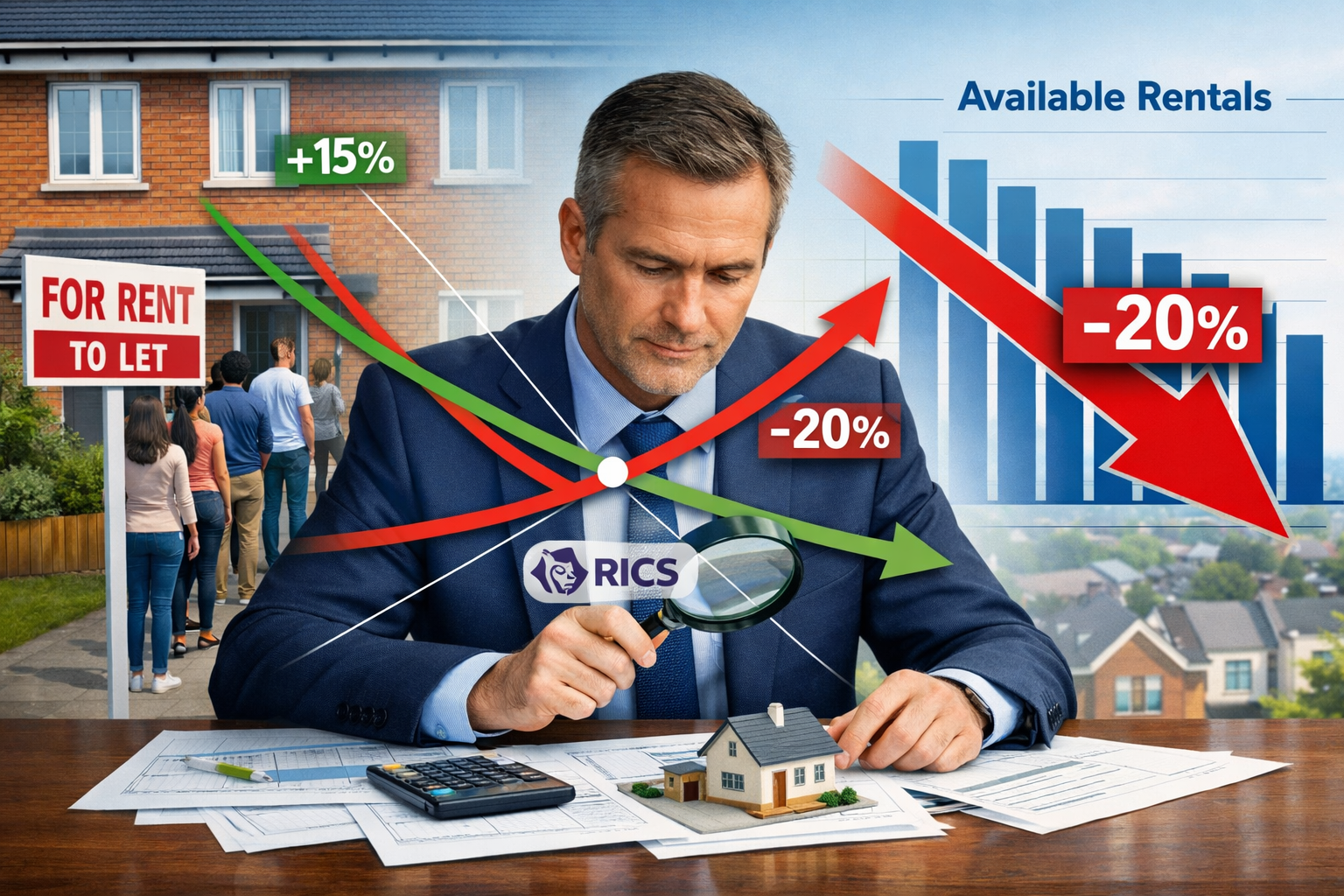
Building a credible case requires expert witnesses to master several interconnected components. Each element contributes to the overall persuasiveness and defensibility of the valuation opinion.
Comprehensive Market Analysis
A robust real estate appraisal begins with thorough market research. Expert witnesses should compile:
Regional Data Points:
- Average rental prices by property type and bedroom count
- Vacancy rates and time-to-let statistics
- Year-over-year price movements
- Supply metrics (new listings, available inventory)
- Demand indicators (viewing requests, application volumes)
Comparable Property Selection:
The foundation of any rental valuation lies in selecting appropriate comparables. In 2026's constrained market, this becomes more challenging but also more critical. Experts must:
- Identify properties with similar characteristics (size, condition, location, amenities)
- Adjust for differences in property features
- Consider timing of comparable transactions
- Account for market direction and momentum
- Document why specific comparables were selected or excluded
Transparent Methodology
Courts demand transparency in expert witness work. The methodology section of an expert report should clearly explain:
- Valuation approach used (comparative, income, cost, or hybrid)
- Data sources and their reliability
- Adjustment calculations for comparable differences
- Assumptions made and their justification
- Limitations of the analysis
"Expert testimony on lease interpretation, regulatory compliance, and damage calculations directly influences case outcomes." – California Court of Appeal, Emmons v. Jesso (2025)[1]
Regulatory and Compliance Considerations
The 2026 rental market operates under complex regulatory frameworks. Expert witnesses must demonstrate knowledge of:
- Rent control provisions where applicable
- Tenancy deposit protection requirements
- Energy performance standards and their impact on rental values
- Licensing requirements for landlords
- Health and safety regulations affecting property condition
Understanding these regulations helps experts assess whether disputed rental levels comply with legal requirements and market norms. For properties requiring building inspection or evaluation, experts should reference relevant compliance issues.
Documentation Standards
Credible expert witness reports require meticulous documentation:
| Documentation Element | Purpose | Best Practice |
|---|---|---|
| Property inspection photos | Visual evidence of condition | Date-stamped, comprehensive coverage |
| Market data sources | Support for rental levels | RICS data, Land Registry, local agents |
| Comparable property details | Justification for valuation | Full addresses, rental dates, adjustments |
| Calculation worksheets | Transparency of methodology | Step-by-step breakdown |
| Professional credentials | Establish expertise | RICS membership, relevant qualifications |
Strategies for Building Credible Cases in Supply-Constrained Markets

The current market environment demands specific strategies to build persuasive expert witness cases. These approaches help experts navigate the challenges of valuing properties in a supply-constrained, high-demand context.
Leveraging Regional RICS Data
RICS lettings data provides authoritative market intelligence that courts recognize and respect. Expert witnesses should:
Incorporate RICS Market Surveys:
- Reference quarterly residential market surveys
- Cite regional demand and supply indicators
- Use RICS price expectation indices
- Compare local data against national trends
Regional data proves particularly valuable when defending valuations that appear elevated compared to historical norms[3]. An expert can demonstrate that current rental levels reflect genuine market conditions rather than unreasonable landlord demands.
Addressing Supply Constraints in Valuation Reports
When supply constraints drive prices upward, expert witnesses must explain this dynamic clearly:
Effective Approaches:
- Quantify the supply shortage: Present data on available inventory versus historical averages
- Document demand pressure: Show evidence of multiple applicants, rapid letting times, or bidding scenarios
- Explain price sustainability: Analyze whether current levels represent temporary spikes or structural shifts
- Consider alternative scenarios: Discuss how valuations might differ under normalized supply conditions
This contextualization helps courts understand why rental values may exceed traditional benchmarks without indicating unreasonable pricing.
Defending Valuations Under Cross-Examination
The courtroom test of expert witness credibility often comes during cross-examination. Preparation strategies include:
- Anticipate challenges: Identify potential weaknesses in methodology or data
- Prepare supporting evidence: Have additional comparables and data ready
- Understand opposing arguments: Review alternative valuation approaches
- Maintain objectivity: Acknowledge limitations and uncertainties
- Communicate clearly: Explain technical concepts in accessible language
The Emmons v. Jesso case (2025) demonstrated how expert testimony on lease terms and industry standards proved decisive in the jury's decision to award damages to the landlord[1]. The expert's ability to explain complex rental market concepts in understandable terms contributed significantly to the outcome.
Integrating Professional Standards
RICS professional standards provide the framework for credible expert witness work. Key standards include:
RICS Practice Statement and Guidance Note:
- Valuation – VPS 3: Valuation Reports
- RICS Guidance Note: Surveyors Acting as Expert Witnesses
- Red Book Global Standards for valuation practice
Expert witnesses should explicitly reference these standards in reports and testimony. This demonstrates adherence to recognized professional protocols and enhances credibility with courts and tribunals.
Utilizing Technology and Data Analytics
Modern expert witness work increasingly incorporates technology:
- Property valuation software: Automated comparable analysis tools
- Market databases: Comprehensive rental transaction records
- Geographic information systems: Spatial analysis of rental markets
- Data visualization: Charts and graphs for presenting complex information
These tools enhance analysis quality and presentation effectiveness, particularly when explaining supply-demand dynamics to non-technical audiences.
Common Pitfalls and How to Avoid Them
Even experienced experts can encounter challenges in rental market disputes. Understanding common pitfalls helps prevent credibility damage:
❌ Over-Reliance on Historical Data
The Problem: Using pre-2024 comparables without adjusting for current market conditions
The Solution: Weight recent transactions more heavily and explicitly adjust for market changes. Explain why historical data may not reflect 2026's supply-constrained reality.
❌ Insufficient Geographic Specificity
The Problem: Using comparables from different neighborhoods or postcodes without justification
The Solution: Focus on micro-market analysis. Rental values can vary significantly across small distances, especially in supply-constrained areas. Document why specific geographic boundaries were chosen.
❌ Ignoring Property Condition Differences
The Problem: Comparing properties without adequate adjustment for condition, modernization, or amenities
The Solution: Conduct thorough property inspection and document condition differences. Apply transparent adjustments for features like renovations, parking, outdoor space, or energy efficiency.
❌ Advocacy Rather Than Objectivity
The Problem: Appearing to favor the instructing party rather than providing independent opinion
The Solution: Maintain professional distance. Acknowledge evidence that doesn't support your client's position. Remember that your duty is to the court, not the party paying your fees.
❌ Inadequate Explanation of Methodology
The Problem: Presenting conclusions without showing the analytical process
The Solution: Provide step-by-step methodology. Show calculations, explain assumptions, and justify choices. Courts value transparency over complexity.
The Role of Professional Qualifications and Independence
Professional credentials form the foundation of expert witness credibility. Courts expect experts to demonstrate:
Essential Qualifications
- RICS membership (MRICS or FRICS designation)
- Relevant specialization in residential lettings or valuation
- Continuing professional development in current market trends
- Expert witness training specific to courtroom procedures
- Professional indemnity insurance adequate for expert witness work
Demonstrating Independence
Independence remains paramount in expert witness work. The Civil Procedure Rules and tribunal procedures emphasize that experts owe their primary duty to the court, not to instructing parties.
Key Independence Indicators:
- 📋 Signed declaration of independence in reports
- 🔍 Transparent disclosure of any conflicts of interest
- ⚖️ Willingness to acknowledge opposing viewpoints
- 📊 Objective analysis regardless of client preferences
- 💼 Clear separation between advisory and expert witness roles
For professionals offering building surveyor services or expert building evaluation, maintaining this independence protects both professional reputation and case credibility.
Practical Application: Case Study Framework
Consider a typical 2026 rental dispute scenario:
Scenario: A landlord seeks to increase rent by 15% at lease renewal. The tenant disputes this as excessive and unreasonable given the property condition. Both parties engage expert witnesses.
Expert Witness Approach:
Step 1: Market Context Analysis
- Research local rental market conditions
- Identify supply-demand factors in the specific area
- Gather RICS regional data for the postcode sector
- Document recent rental price movements
Step 2: Comparable Property Research
- Identify 5-8 comparable properties recently let
- Visit or obtain detailed information on each comparable
- Document similarities and differences
- Calculate appropriate adjustments
Step 3: Property Inspection
- Conduct thorough inspection of subject property
- Document condition, features, and any defects
- Take comprehensive photographs
- Note any factors affecting rental value
Step 4: Valuation Calculation
- Apply chosen methodology (typically comparative)
- Show all adjustment calculations
- Consider supply-demand impact on pricing
- Arrive at defensible rental value range
Step 5: Report Preparation
- Structure report according to RICS standards
- Include all supporting documentation
- Explain methodology transparently
- Provide clear conclusions with reasoning
This systematic approach builds credibility and withstands scrutiny during cross-examination or tribunal proceedings.
Emerging Trends in Rental Market Expert Witness Work
The field continues to evolve in response to market changes and legal developments:
Increased Focus on Energy Performance
With growing emphasis on sustainability and energy efficiency, rental valuations increasingly consider EPC ratings and energy costs. Expert witnesses must understand how energy performance affects rental values and tenant demand.
Digital Evidence and Virtual Inspections
Technology enables new forms of evidence gathering:
- Virtual property tours and inspections
- Digital measurement tools
- Drone photography for external condition assessment
- Online market research platforms
While traditional physical inspections remain important, digital tools supplement and enhance expert witness work.
Regulatory Complexity
The regulatory environment for rental properties continues to expand. Expert witnesses must stay current with:
- Selective licensing schemes
- Minimum energy efficiency standards
- Electrical safety regulations
- Smoke and carbon monoxide alarm requirements
Understanding how compliance affects rental values proves essential for credible expert opinions.
Alternative Dispute Resolution
Many rental disputes now resolve through mediation or arbitration rather than formal court proceedings. Expert witnesses must adapt their approach for these less formal settings while maintaining professional standards.
Working with Legal Teams and Clients
Effective expert witness work requires collaboration with solicitors, barristers, and clients:
Initial Instructions
Clear instructions prevent misunderstandings:
- Scope of work: What specific questions should the expert address?
- Timeline: When is the report needed? Are there court deadlines?
- Budget: What fee arrangements apply?
- Access: Can the expert inspect the property? Interview parties?
- Documents: What materials are available for review?
Communication Best Practices
- Maintain professional boundaries
- Document all communications
- Clarify ambiguous instructions
- Update on progress and any issues
- Explain technical matters in accessible language
Report Delivery and Follow-Up
After submitting the expert report:
- Be available for questions and clarification
- Prepare for potential supplementary reports
- Anticipate cross-examination topics
- Review opposing expert reports when available
- Participate in expert discussions if required
For professionals considering other property services beyond expert witness work, maintaining clear role boundaries protects independence and credibility.
Conclusion
Expert Witness Valuations in Rental Market Disputes: Building Credible Cases Amid Rising Tenant Demand and Constrained Supply demands a sophisticated, multi-faceted approach in 2026. The current market environment—characterized by persistent supply constraints and elevated tenant demand—creates both challenges and opportunities for property professionals serving as expert witnesses.
Success requires:
🎯 Comprehensive market knowledge: Deep understanding of regional supply-demand dynamics, RICS data, and current rental trends
🎯 Rigorous methodology: Transparent, defensible valuation approaches with clear documentation and appropriate comparable selection
🎯 Professional credentials: RICS membership, relevant experience, and demonstrated expertise in rental market valuations
🎯 Courtroom readiness: Ability to explain complex concepts clearly, withstand cross-examination, and maintain objectivity under pressure
🎯 Regulatory awareness: Current knowledge of rental market regulations and their impact on property values
The landmark Emmons v. Jesso case demonstrates that well-prepared expert testimony directly influences case outcomes[1]. As rental market disputes continue to increase amid supply-demand imbalances, the demand for credible, professional expert witnesses will only grow.
Actionable Next Steps
For property professionals seeking to develop or enhance expert witness capabilities:
- Obtain or update RICS qualifications relevant to rental market valuations
- Complete expert witness training specific to courtroom procedures and professional standards
- Build a comprehensive database of rental market data for your operating regions
- Develop transparent methodologies that can withstand scrutiny and cross-examination
- Network with legal professionals who handle rental market disputes
- Stay current with regulatory changes affecting the rental sector
- Consider professional indemnity insurance adequate for expert witness work
The rental market landscape will continue evolving, but the fundamental principles of credible expert witness work remain constant: independence, objectivity, transparency, and professional competence. By mastering these principles and adapting to current market dynamics, property professionals can build compelling cases that serve justice and advance their expert witness careers.
For those seeking professional support with property valuations or disputes, contact qualified surveyors who understand the complexities of the 2026 rental market and can provide expert guidance tailored to your specific situation.
References
[1] Leasing Expert Witness Testimony Shapes Outcome In Emmons V Jesso A Landmark Expert Witness Case – https://www.expertwitnessblog.com/leasing-expert-witness-testimony-shapes-outcome-in-emmons-v-jesso-a-landmark-expert-witness-case/
[2] Expert Witness Essentials For Buy To Let Valuation Disputes Navigating 2026 Rental Regulation Shifts – https://nottinghillsurveyors.com/blog/expert-witness-essentials-for-buy-to-let-valuation-disputes-navigating-2026-rental-regulation-shifts
[3] Expert Witness Strategies For Northern Housing Boom Disputes Leveraging 2026 Rics Data In Courtroom Valuations – https://nottinghillsurveyors.com/blog/expert-witness-strategies-for-northern-housing-boom-disputes-leveraging-2026-rics-data-in-courtroom-valuations