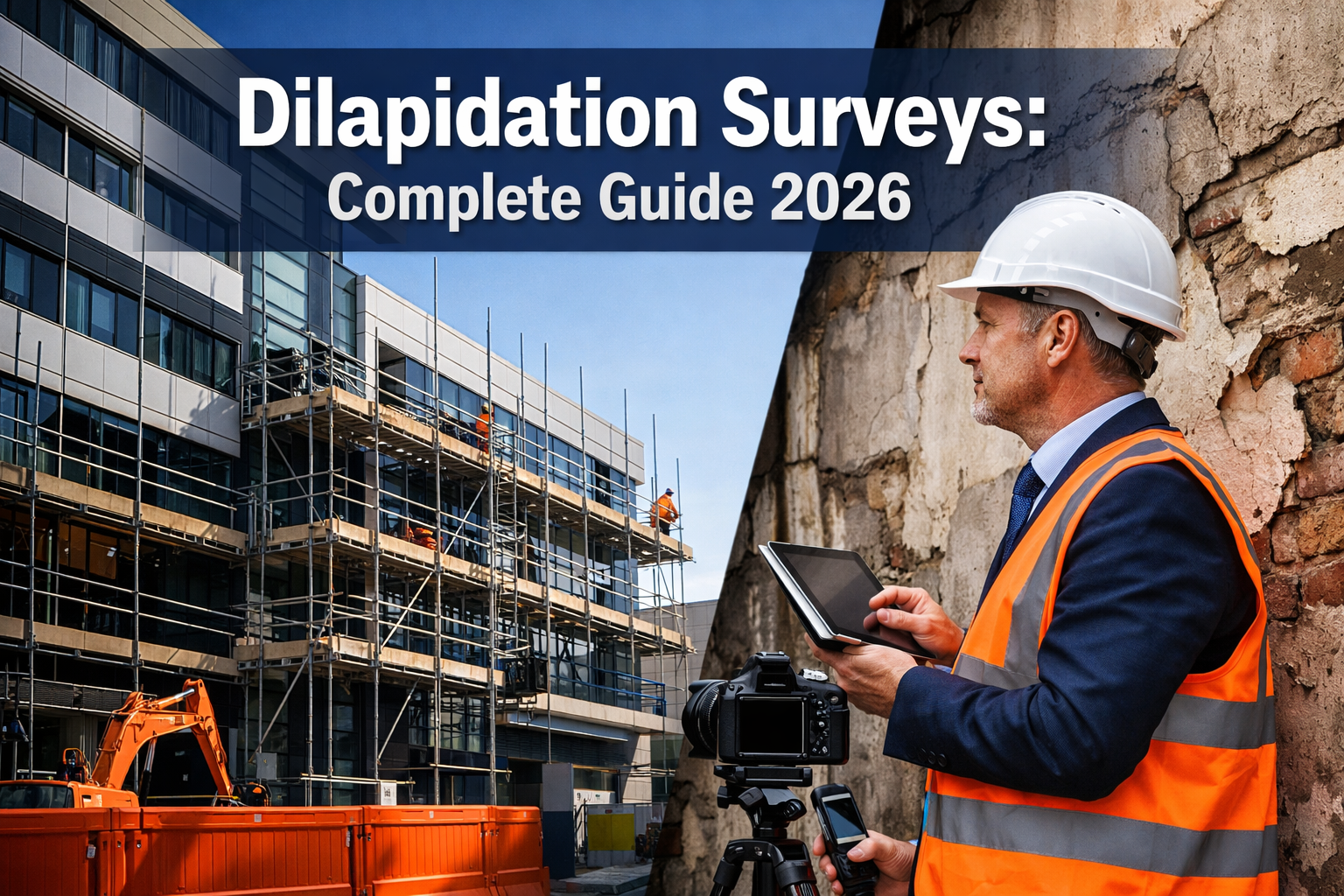
Dilapidation Surveys: Your Complete Guide to Property Condition Documentation in 2026
When a construction crew begins work next to your property, or when a commercial tenant prepares to vacate, how do you prove what damage existed beforehand? Dilapidation surveys provide the answer—serving as crucial photographic and written evidence that protects property owners, tenants, builders, and landlords from costly disputes and unfair claims. These comprehensive property assessments have become essential tools in the modern real estate and construction landscape, offering peace of mind through meticulous documentation.
In 2026, with construction activity rebounding across urban centers and commercial lease negotiations becoming increasingly complex, understanding dilapidation surveys has never been more important. Whether you’re a property owner concerned about nearby construction, a commercial tenant facing end-of-lease obligations, or a developer seeking to protect your interests, this guide will walk you through everything you need to know.
Key Takeaways
- Dilapidation surveys create baseline records of property conditions before construction, demolition, or lease termination to enable accurate damage assessment and prevent disputes
- Independent third-party surveyors conduct assessments to ensure impartiality and credibility in potential legal proceedings
- Modern digital technology including 360-degree cameras, drones, and web-based platforms has revolutionized survey accuracy and accessibility
- Legal and financial protection is the primary benefit, helping avoid litigation costs and ensuring fair negotiations between all parties
- Multiple applications exist across residential, commercial, and construction sectors, making these surveys valuable in various property scenarios
What Are Dilapidation Surveys? 📋
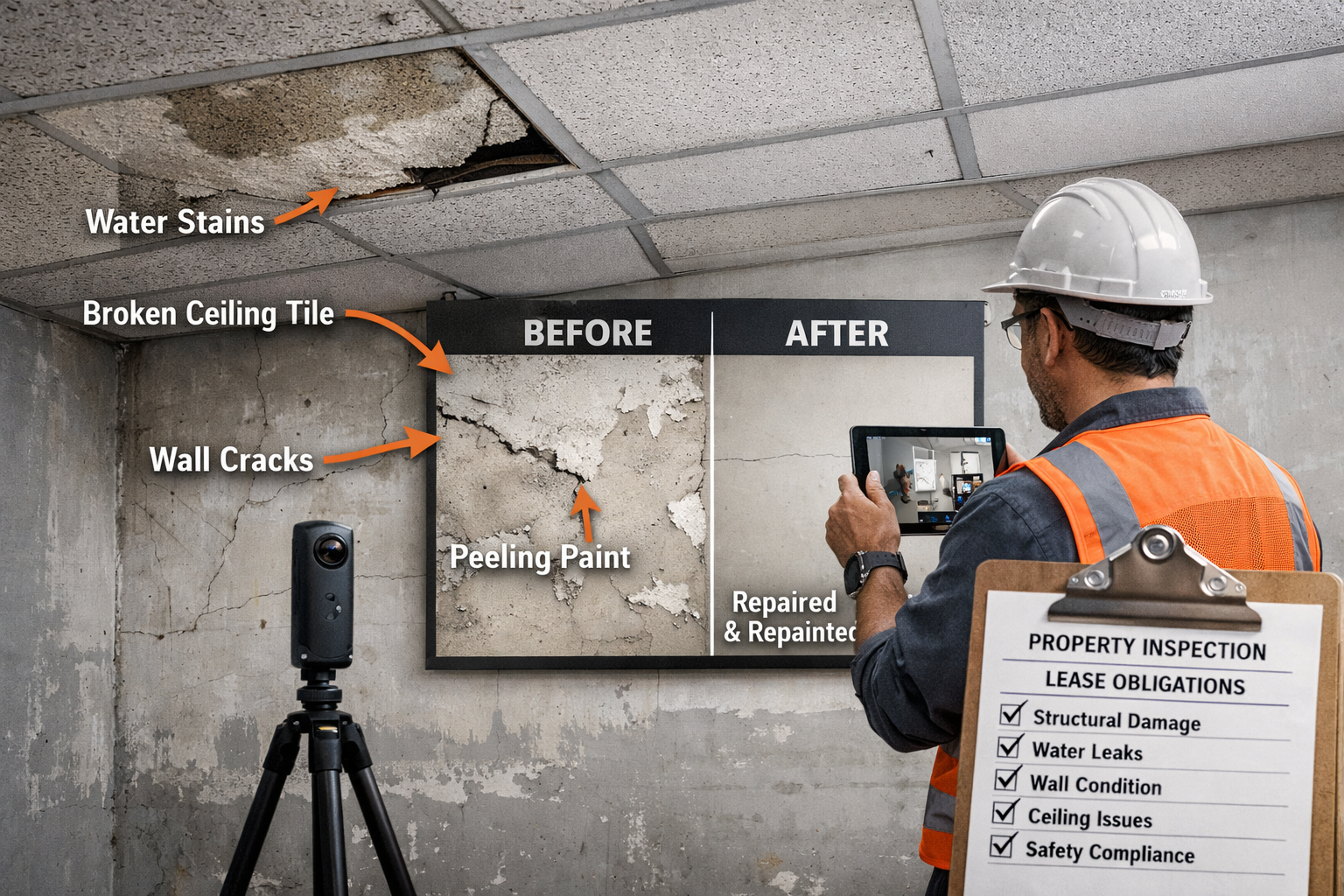
Dilapidation surveys are detailed, professional assessments that document the current condition of a property or structure at a specific point in time. These comprehensive reports combine written descriptions with extensive photographic evidence to create an indisputable record of a building’s state[1].
The primary purpose of these surveys is to establish a baseline condition that can be referenced later to identify any changes, damage, or deterioration. Think of it as taking a detailed snapshot of your property that serves as evidence if questions arise about who is responsible for specific damage.
Core Components of Dilapidation Surveys
A thorough dilapidation survey typically includes:
- Exterior assessment: Roof condition, walls, windows, doors, drainage systems, and surrounding structures
- Interior examination: Floors, ceilings, walls, fixtures, fittings, and decorative finishes
- Photographic documentation: High-resolution images of all areas, with particular focus on existing defects
- Written descriptions: Detailed notes about materials, conditions, and any observed damage
- Geolocation data: GPS coordinates linking photographs to specific property locations[1][2]
- Date and time stamps: Precise documentation of when the survey was conducted
Modern surveys often utilize advanced digital platforms that allow stakeholders to explore the property remotely through web-based interfaces, making it easier to review conditions without physically visiting the site[1].
Types of Dilapidation Surveys and Their Applications
Different situations call for different types of dilapidation surveys. Understanding which type you need is essential for proper protection and compliance.
Pre-Construction Dilapidation Surveys
These surveys are conducted before construction or demolition work begins, particularly when the work might affect neighboring properties. They serve several critical functions:
- Documenting the condition of adjacent properties before vibrations, excavation, or other construction activities begin
- Protecting builders and contractors from false claims about damage they didn’t cause
- Providing property owners with evidence if legitimate damage occurs
- Establishing a clear record for insurance purposes[1]
For property owners near construction or renovation projects, obtaining a pre-construction dilapidation survey is one of the smartest protective measures available.
Lease Dilapidation Surveys
In commercial property contexts, lease dilapidation surveys assess whether tenants have fulfilled their lease obligations regarding property maintenance and condition. These surveys typically occur at two key moments:
- Schedule of Condition (at lease commencement): Documents the property’s state when the tenant takes possession
- Terminal Dilapidations (at lease end): Compares the current condition against lease obligations and the initial schedule of condition[3]
The survey will identify breaches in three main categories:
- Repair obligations: Failure to maintain the property in good condition
- Reinstatement requirements: Not returning the property to its original configuration
- Decoration standards: Inadequate painting or finishing work[3]
Understanding your dilapidations obligations can save both landlords and tenants thousands of pounds in disputes.
Post-Construction Dilapidation Surveys
After construction work is completed, a follow-up inspection compares the property’s current condition to the baseline survey. This comparison identifies:
- Any new damage or deterioration caused by the construction activities
- The extent and severity of changes
- Whether rectification work is necessary
- The estimated cost of repairs[1]
This comparison process is crucial for determining liability and ensuring appropriate compensation or remediation.
Why Dilapidation Surveys Are Essential 🏗️
The importance of dilapidation surveys extends far beyond simple documentation. These assessments provide tangible benefits across multiple dimensions of property management and protection.
Legal Protection and Dispute Prevention
One of the most valuable aspects of dilapidation surveys is their role in preventing costly litigation. When disputes arise about property damage or lease obligations, having a professionally conducted survey provides:
- Credible evidence that courts and arbitrators recognize
- Independent verification from qualified professionals with no vested interest in the outcome[1]
- Clear documentation that removes ambiguity about pre-existing conditions
- Negotiation leverage based on factual assessments rather than subjective claims
The cost of a dilapidation survey is minimal compared to the potential expenses of legal disputes, which can easily reach tens of thousands of pounds in legal fees alone.
Financial Protection for All Parties
Dilapidation surveys protect the financial interests of everyone involved in property transactions and construction projects:
For Property Owners:
- Ensures fair compensation if construction damage occurs
- Prevents builders from denying responsibility for legitimate damage
- Provides accurate repair cost estimates based on professional assessment
For Tenants:
- Protects against inflated dilapidations claims from landlords seeking to profit from normal wear and tear[5]
- Establishes what conditions existed at lease commencement
- Enables informed negotiation based on actual obligations
For Landlords:
- Documents legitimate breaches of lease obligations
- Supports fair recovery of costs for tenant-caused damage
- Streamlines the lease-end settlement process
For Builders and Contractors:
- Shields against false claims from neighboring property owners
- Demonstrates due diligence and professional standards
- Protects company reputation and insurance premiums[1]
Regulatory Compliance Verification
Commercial properties face numerous regulatory requirements related to building standards, health and safety, and accessibility. Dilapidation surveys help verify compliance with:
- Building regulations and codes
- Health and safety standards, particularly in shared spaces
- Fire safety requirements
- Accessibility provisions
- Environmental regulations[4]
This compliance verification is especially important for commercial properties in public-facing sectors where regulatory breaches can result in fines, closure orders, or liability issues.
Preventative Maintenance Planning
Beyond dispute resolution, dilapidation surveys provide valuable data for proactive property management. The detailed condition assessment enables:
- Early identification of developing issues before they become major problems
- Informed budget planning for necessary repairs and maintenance
- Prioritization of remedial work based on severity and urgency
- Long-term asset management strategies[4]
Property managers who use dilapidation survey data strategically can significantly reduce overall maintenance costs by addressing issues before they escalate.
The Dilapidation Survey Process: What to Expect
Understanding what happens during a dilapidation survey helps property owners, tenants, and builders prepare appropriately and ensure comprehensive documentation.
Selecting an Independent Surveyor
The first critical step is choosing a qualified, independent surveyor. Independence is essential because:
- Courts and arbitrators give greater weight to evidence from impartial professionals
- Independent surveyors have no financial incentive to favor one party over another
- Professional credibility depends on accurate, unbiased reporting[1]
Look for surveyors who are members of recognized professional bodies such as the Royal Institution of Chartered Surveyors (RICS), which sets rigorous standards for competence and ethics. You might also want to review guidance on choosing the right property survey for your specific needs.
Pre-Survey Preparation
Before the surveyor arrives, property owners and occupiers should:
- Ensure access to all areas of the property, including basements, attics, and outbuildings
- Remove obstructions that might prevent thorough inspection
- Gather relevant documents such as previous survey reports, lease agreements, or construction plans
- Identify specific concerns that require particular attention
- Arrange for utilities to be operational if the property is vacant
Proper preparation ensures the surveyor can conduct a comprehensive assessment without delays or missed areas.
The Inspection Process
During the actual survey, the professional surveyor will:
- Conduct a systematic examination of the entire property, working methodically through each area
- Take extensive photographs documenting overall conditions and specific defects
- Record detailed written notes describing materials, conditions, and observations
- Use specialized equipment such as moisture meters, thermal imaging cameras, or structural measurement tools
- Capture 360-degree imagery for comprehensive visual documentation[2]
- Mark specific locations using GPS coordinates for precise reference[1]
The duration of the survey depends on property size and complexity, ranging from a few hours for small residential properties to several days for large commercial complexes.
Advanced Technology in Modern Surveys
In 2026, dilapidation surveys increasingly incorporate cutting-edge technology that enhances accuracy and accessibility:
- Drone photography: Captures roof conditions and elevated areas safely and comprehensively[2][6]
- 360-degree cameras: Create immersive virtual tours that stakeholders can explore remotely[1]
- Rover equipment: Navigates complex spaces to document hard-to-reach areas[2]
- Vehicle-mounted cameras: Efficiently surveys large sites or multiple properties[2]
- Cloud-based platforms: Enables real-time sharing and collaborative review of survey data
- AI-assisted defect detection: Identifies potential issues that might escape visual inspection
These technological advances make surveys more thorough, accurate, and accessible than ever before.
The Survey Report
After completing the inspection, the surveyor prepares a comprehensive report that includes:
- Executive summary: Overview of key findings and significant issues
- Detailed descriptions: Room-by-room or area-by-area condition assessments
- Photographic evidence: Organized images with captions explaining what they show
- Defect schedules: Lists of identified problems with severity ratings
- Repair recommendations: Suggested remedial actions for identified issues
- Cost estimates: Approximate expenses for necessary repairs (when requested)
- Interactive digital access: Web-based platforms for exploring the documented conditions[1][2]
For lease dilapidations, the report will also include a schedule of dilapidations summarizing all lease obligations and identifying current breaches in repair, reinstatement, and decoration[3].
Common Scenarios Requiring Dilapidation Surveys
Understanding when dilapidation surveys are most valuable helps property stakeholders recognize situations where they should commission these assessments.
Neighboring Construction Projects
When major construction, demolition, or excavation work is planned near your property, a pre-construction dilapidation survey is essential. Common scenarios include:
- High-rise developments adjacent to existing buildings
- Basement excavations that might affect neighboring foundations
- Demolition work that creates vibrations and debris
- Heavy machinery operations near residential or commercial properties
- Road or infrastructure projects affecting multiple properties
The survey protects your interests by documenting pre-existing conditions before any construction impact occurs[1]. This is particularly important in dense urban areas where construction activity is constant.
Commercial Lease Terminations
For commercial tenants and landlords, dilapidation surveys are virtually mandatory at lease end. The survey process typically involves:
- Landlord’s surveyor prepares a terminal schedule of dilapidations
- Tenant’s surveyor reviews the schedule and prepares a response
- Negotiation occurs based on the competing assessments
- Settlement is reached, often for less than the initial claim[5]
Professional dilapidation surveys ensure that tenants aren’t overcharged for normal wear and tear while protecting landlords’ legitimate interests in maintaining property value. Understanding the delap survey process can help both parties navigate this potentially contentious situation.
Property Acquisitions and Sales
While different from standard RICS building surveys, dilapidation assessments can support property transactions by:
- Documenting condition for purchase negotiations
- Identifying required repairs before completion
- Supporting insurance applications
- Establishing baseline conditions for new ownership
Buyers of commercial properties with existing tenants particularly benefit from understanding any outstanding dilapidation issues that might affect property value.
Insurance Claims
When property damage occurs due to events like flooding, fire, or storm damage, dilapidation surveys provide:
- Pre-loss condition documentation that supports claim validity
- Evidence of damage extent for accurate claim assessment
- Professional verification that insurers recognize and respect
- Baseline data for comparing post-repair conditions
Properties in high-risk areas for specific issues like damp damage may particularly benefit from periodic condition surveys.
Cost Considerations and Value Assessment 💰
The investment in a dilapidation survey varies based on several factors, but the value typically far exceeds the cost.
Factors Affecting Survey Costs
Several variables influence the price of a dilapidation survey:
| Factor | Impact on Cost |
|---|---|
| Property size | Larger properties require more time and documentation |
| Property complexity | Multiple buildings, unusual features, or hard-to-access areas increase costs |
| Survey type | Lease dilapidations requiring legal schedules cost more than basic condition surveys |
| Technology requirements | Drone photography, 3D modeling, or specialized testing adds expense |
| Urgency | Rush surveys command premium pricing |
| Location | Urban areas with higher operating costs typically charge more |
| Surveyor qualifications | RICS-qualified professionals command higher fees but provide greater credibility |
Despite these variables, dilapidation surveys remain relatively affordable compared to the financial risks they mitigate.
Return on Investment
Consider these scenarios where dilapidation surveys deliver exceptional value:
Scenario 1: Construction Damage Prevention
- Survey cost: £500-£1,500
- Potential damage claim avoided: £10,000-£50,000+
- ROI: 600%-9,900%
Scenario 2: Lease Dilapidations Negotiation
- Survey cost: £1,000-£3,000
- Reduction in inflated landlord claim: £15,000-£75,000
- ROI: 400%-7,400%
Scenario 3: Litigation Avoidance
- Survey cost: £800-£2,500
- Legal fees and court costs avoided: £20,000-£100,000+
- ROI: 700%-12,400%
These examples demonstrate that even a modest reduction in claims or avoided legal costs provides tremendous return on the survey investment[5].
Choosing the Right Dilapidation Survey Provider
Selecting a qualified surveyor is crucial for ensuring your survey provides the protection and credibility you need.
Essential Qualifications and Credentials
Look for surveyors who possess:
✅ Professional accreditation: RICS membership or equivalent recognized credentials
✅ Relevant experience: Demonstrated expertise in dilapidation surveys specifically
✅ Professional indemnity insurance: Protection against errors or omissions
✅ Local knowledge: Familiarity with regional building practices and regulations
✅ Technology capabilities: Modern equipment and digital reporting platforms
✅ Clear communication skills: Ability to explain findings in understandable terms
Questions to Ask Potential Surveyors
Before engaging a surveyor, ask:
- How many dilapidation surveys have you conducted in the past year?
- What technology and equipment do you use for documentation?
- How long will the survey take, and when will I receive the report?
- What format will the report take, and will I have digital access?
- Can you provide references from previous clients?
- Are you independent, with no connection to the other parties involved?
- What are your qualifications and professional memberships?
- Do you have experience with properties similar to mine?
The answers to these questions will help you identify surveyors who can deliver the quality and credibility your situation requires.
Red Flags to Avoid
Be cautious of surveyors who:
- ❌ Offer prices significantly below market rates (may indicate inexperience or corner-cutting)
- ❌ Cannot provide professional credentials or insurance documentation
- ❌ Have connections to other parties involved in your situation
- ❌ Promise specific outcomes before conducting the survey
- ❌ Use outdated technology or methods
- ❌ Cannot provide clear timelines or deliverables
Quality surveying requires expertise, time, and professional standards—be wary of providers who seem to compromise on these essentials.
Legal Framework and Professional Standards

Dilapidation surveys operate within a well-established legal and professional framework that ensures consistency and credibility.
RICS Dilapidations Guidance
The Royal Institution of Chartered Surveyors provides comprehensive guidance on dilapidations practice through their RICS Guidance Note on Dilapidations. This professional standard covers:
- Survey methodology and best practices
- Report content and format requirements
- Ethical considerations and independence requirements
- Calculation methods for repair costs
- Negotiation protocols and settlement procedures
Surveyors who follow RICS guidance provide reports that courts, arbitrators, and industry professionals recognize as credible and authoritative. When selecting a surveyor, confirming they follow RICS survey standards ensures you receive a professional-grade assessment.
Legal Considerations in Lease Dilapidations
Commercial lease dilapidations involve specific legal principles that affect how surveys are conducted and interpreted:
Diminution in Value: Landlords can only recover the actual reduction in property value caused by disrepair, not necessarily the full cost of repairs. This principle often reduces dilapidation settlements significantly below initial claims[5].
Section 18 Valuation: Under the Landlord and Tenant Act 1927, damages cannot exceed the reduction in the property’s reversion value, providing important protection for tenants.
Supersession: If the landlord plans to demolish or substantially alter the property, they cannot recover for repairs that would be superseded by the planned work.
Reasonableness: All claims must be reasonable in scope and cost, preventing landlords from demanding gold-plated solutions when basic repairs would suffice.
Understanding these legal principles helps both landlords and tenants interpret dilapidation survey findings appropriately and negotiate fair settlements.
Maximizing the Value of Your Dilapidation Survey
Once you’ve commissioned a dilapidation survey, several strategies help you extract maximum value from the investment.
Comprehensive Documentation Review
When you receive your survey report:
- Read it thoroughly, not just the summary
- Review all photographs to understand the visual evidence
- Note any discrepancies or areas requiring clarification
- Ask questions about anything unclear in the report
- Share it promptly with relevant parties (solicitors, insurance providers, contractors)
The more thoroughly you understand the survey findings, the better positioned you are to use them effectively.
Strategic Negotiation
Dilapidation surveys provide powerful negotiation tools when used strategically:
For tenants facing dilapidation claims:
- Commission your own surveyor’s response to the landlord’s schedule
- Challenge inflated repair costs with market-rate estimates
- Identify items that represent betterment rather than repair
- Negotiate settlement based on diminution in value rather than full repair costs[5]
For property owners facing construction damage:
- Present the survey as objective evidence, not an adversarial document
- Focus on specific, documented changes rather than subjective complaints
- Obtain repair quotes that align with the survey’s damage assessment
- Seek early resolution based on clear evidence
For landlords pursuing legitimate claims:
- Ensure your surveyor’s schedule is reasonable and well-documented
- Anticipate tenant challenges and prepare supporting evidence
- Consider negotiated settlement to avoid litigation costs
- Focus on genuine breaches rather than normal wear and tear
Understanding how surveys affect property negotiations can help you approach these discussions strategically.
Long-Term Asset Management
Beyond immediate dispute resolution, dilapidation survey data supports effective property management:
- Create maintenance schedules based on identified issues and their severity
- Budget accurately for necessary repairs using professional cost estimates
- Track condition changes over time through periodic re-surveys
- Plan capital improvements informed by comprehensive condition data
- Support insurance applications with documented property conditions
Property managers who integrate dilapidation survey findings into their broader asset management strategies realize ongoing value from these assessments.
Common Misconceptions About Dilapidation Surveys
Several myths about dilapidation surveys can prevent property stakeholders from obtaining these valuable assessments.
Myth 1: “Dilapidation Surveys Are Only for Commercial Properties”
Reality: While lease dilapidations are primarily a commercial concern, dilapidation surveys benefit residential property owners in numerous situations:
- Neighboring construction projects affecting homes
- Rental property condition documentation
- Pre-renovation baseline establishment
- Insurance claim support
- Boundary dispute evidence
Residential property owners should consider these surveys whenever they need documented evidence of property conditions. Similar to other property survey types, dilapidation surveys serve diverse purposes beyond their most common application.
Myth 2: “I Can Document Conditions Myself with Photos”
Reality: While personal photographs have some value, they lack the credibility, comprehensiveness, and professional context that independent surveyor reports provide:
- Courts give far greater weight to professional surveys
- Surveyors know what to look for and how to document it properly
- Professional reports include technical assessments beyond what photographs show
- Independent third-party status prevents accusations of bias or manipulation[1]
The modest cost of professional surveys is worthwhile for the significantly enhanced credibility they provide.
Myth 3: “Dilapidation Surveys Guarantee Full Compensation”
Reality: Surveys document conditions but don’t automatically determine liability or compensation amounts. They provide:
- Evidence that supports claims or defenses
- Professional assessment of damage extent
- Baseline data for comparison
- Credible documentation for negotiations
The actual outcome depends on legal principles, contractual obligations, negotiation skills, and the specific circumstances of each case.
Myth 4: “All Surveyors Provide the Same Quality”
Reality: Significant variation exists in surveyor expertise, technology, thoroughness, and report quality. Factors that differentiate surveyors include:
- Professional qualifications and experience levels
- Technology and equipment used
- Report comprehensiveness and clarity
- Understanding of legal and regulatory frameworks
- Reputation and track record
Selecting a qualified, experienced surveyor makes a substantial difference in the value you receive.
Future Trends in Dilapidation Surveys 🔮
The dilapidation survey industry continues to evolve with technological advances and changing market needs.
Technological Innovations
Emerging technologies transforming dilapidation surveys include:
Artificial Intelligence: AI-powered image analysis can identify defects, compare conditions over time, and flag potential issues that might escape visual inspection.
Building Information Modeling (BIM): Integration with BIM systems enables surveys to reference detailed building specifications and identify deviations from original construction.
Augmented Reality: AR applications allow stakeholders to visualize survey findings overlaid on the actual property, making defects and conditions easier to understand.
Blockchain Documentation: Immutable blockchain records of survey data provide tamper-proof evidence with verifiable timestamps.
Internet of Things (IoT): Continuous monitoring sensors can supplement periodic surveys with real-time condition data, identifying developing issues immediately.
These technologies promise to make dilapidation surveys even more accurate, comprehensive, and valuable in the coming years[2][6].
Regulatory Developments
Evolving building regulations and environmental standards are expanding the scope of dilapidation surveys to include:
- Energy efficiency assessments
- Environmental compliance verification
- Accessibility standard documentation
- Safety system functionality checks
- Sustainability certification support
As regulations become more complex, the comprehensive documentation that dilapidation surveys provide becomes increasingly valuable for demonstrating compliance.
Market Trends
Several market developments are increasing demand for dilapidation surveys:
- Construction activity growth: Urban development continues to create situations where neighboring property protection is essential
- Lease flexibility: Shorter commercial leases and more frequent tenant turnover increase the frequency of lease-end dilapidations
- Litigation costs: Rising legal expenses make dispute prevention through surveys more attractive
- Professional standards: Greater awareness of best practices is driving demand for professional surveys
These trends suggest that dilapidation surveys will become even more common and essential in property management and construction.
Conclusion
Dilapidation surveys represent one of the most cost-effective forms of protection available to property owners, tenants, landlords, and construction professionals in 2026. These comprehensive assessments create indisputable records of property conditions that prevent disputes, support fair negotiations, ensure regulatory compliance, and enable proactive maintenance planning.
Whether you’re facing neighboring construction, approaching a lease termination, acquiring property, or simply seeking to protect your valuable assets, a professional dilapidation survey provides peace of mind and financial protection that far exceeds its modest cost.
Your Next Steps
To benefit from dilapidation survey protection:
- Assess your situation: Identify scenarios where condition documentation would provide value
- Research qualified surveyors: Find RICS-accredited professionals with relevant experience
- Commission your survey: Schedule the assessment well before construction begins or lease obligations arise
- Review findings thoroughly: Understand what the survey documents and its implications
- Use the evidence strategically: Leverage the survey for negotiations, compliance verification, or maintenance planning
- Consider periodic updates: Re-survey at appropriate intervals to track condition changes
Don’t wait until disputes arise to wish you had documented property conditions. The small investment in a professional dilapidation survey today can save thousands of pounds and countless hours of stress tomorrow.
For expert guidance on dilapidation surveys and comprehensive property assessments, consult with qualified chartered surveyors who understand the technical, legal, and practical aspects of condition documentation. Your property deserves professional protection—and you deserve the peace of mind that comes from knowing its condition is thoroughly documented and defensible.
References
[1] Dilapidation Reports For Developers Builders And Owners – https://www.spipropertyinspections.com.au/news/dilapidation-reports-for-developers-builders-and-owners/
[2] Watch – https://www.youtube.com/watch?v=1vxAWNvp5JM
[3] Dilapidations – https://www.bradley-mason.com/commercial/dilapidations/
[4] 5 Reasons Why Dilapidation Surveys Are Important – https://www.giromax.co.uk/blog/5-reasons-why-dilapidation-surveys-are-important/
[5] Dilapidation Assessment Reports – https://horde.group/blog/dilapidation-assessment-reports/
[6] Dilapidations For Surveyors – https://goreport.com/dilapidations-for-surveyors/