


The Complete Guide to Delap Survey: Everything You Need to Know in 2025

When purchasing or developing property, understanding potential structural risks can save thousands of pounds and prevent costly surprises down the line. A delap survey represents one of the most crucial assessments available to property owners, developers, and buyers who want comprehensive insight into their investment’s true condition and potential challenges.
Key Takeaways
• Delap surveys provide comprehensive property assessments covering structural integrity, environmental factors, and regulatory compliance
• Professional surveyors use specialized equipment and methodologies to identify hidden issues that standard inspections might miss
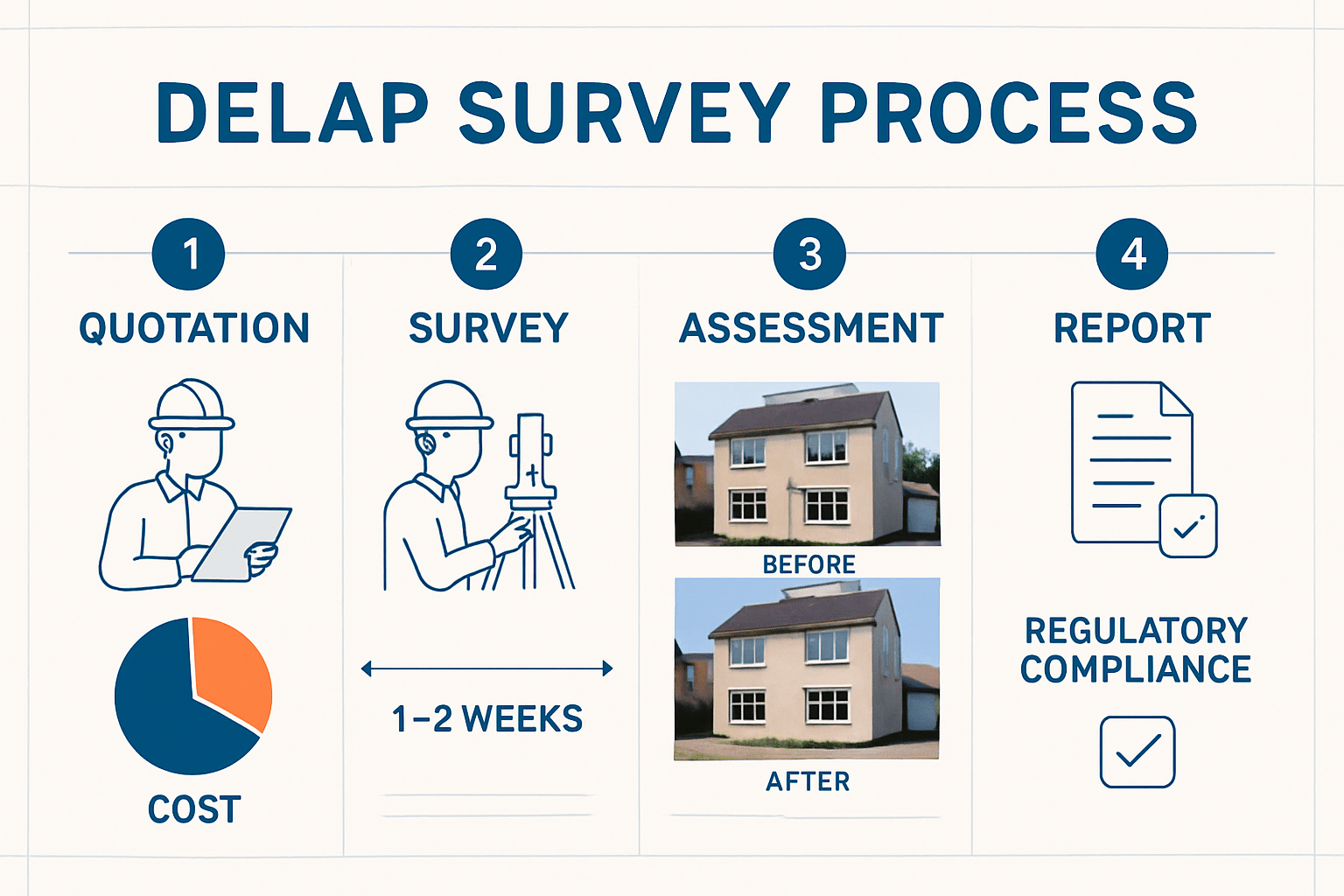
• The survey process typically takes 2-5 days depending on property size and complexity, with detailed reports delivered within 1-2 weeks
• Costs range from £800-£3,500 based on property type, location, and scope of assessment required
• Early identification of issues through Delap surveys can prevent expensive remedial work and provide negotiating power in property transactions
What is a Delap Survey? Understanding the Fundamentals
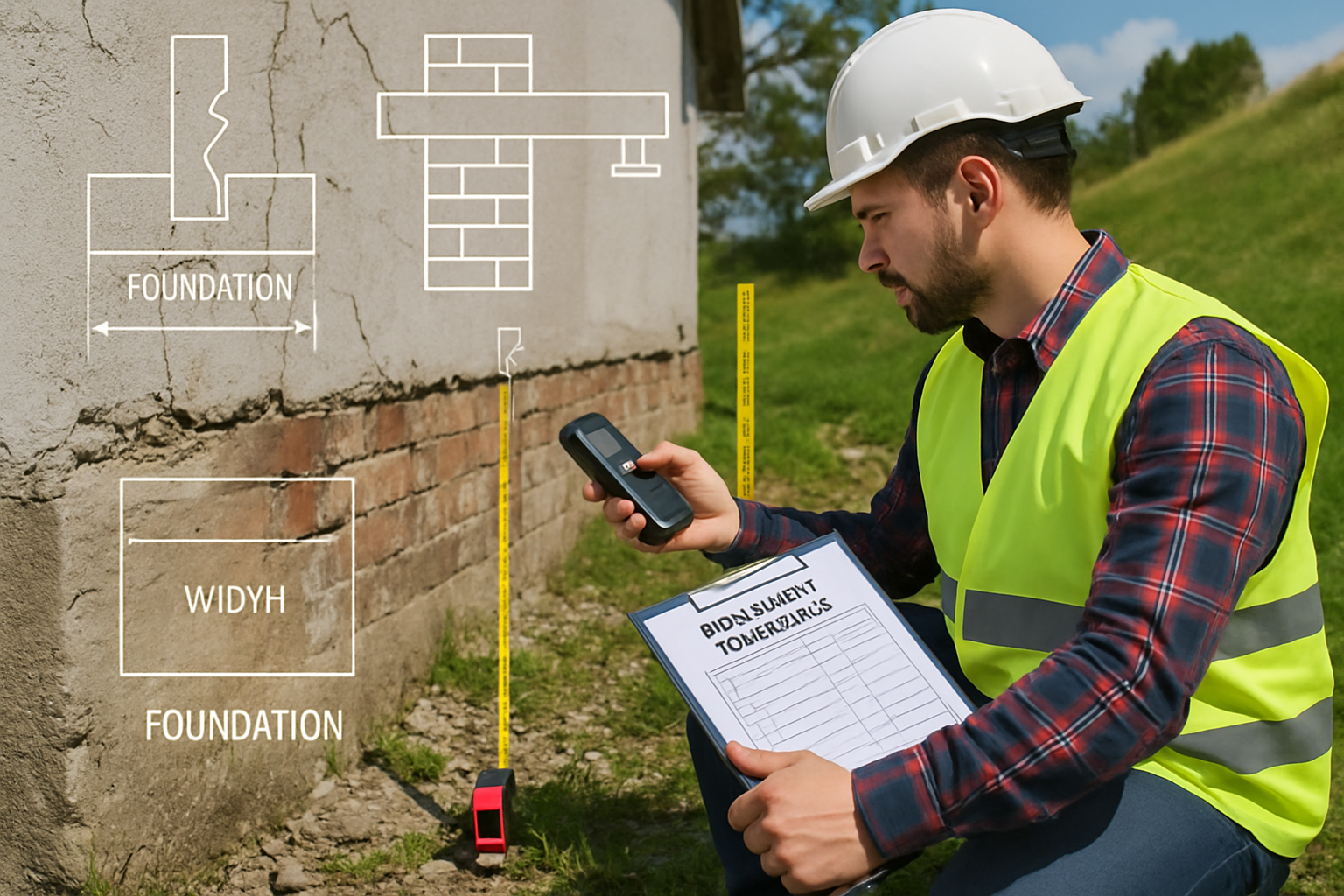
A delap survey stands as a specialized property assessment that goes far beyond standard building surveys. This comprehensive evaluation examines multiple aspects of a property’s condition, from structural integrity to environmental compliance. Unlike basic homebuyer reports, delap surveys employ advanced diagnostic techniques and equipment to uncover potential issues that might remain hidden during conventional inspections.
The methodology behind a delap survey combines traditional surveying practices with modern technology. Professional surveyors utilize thermal imaging, moisture meters, structural analysis software, and other specialized tools to create a complete picture of the property’s current state and future risks.
Core Components of Delap Survey Assessment
Structural Analysis forms the backbone of every delap survey. Surveyors examine foundations, load-bearing walls, roof structures, and other critical elements that ensure building stability. This process involves both visual inspection and technical measurements to identify signs of settlement, movement, or deterioration.
Environmental Factors receive equal attention during the survey process. This includes assessment of damp conditions, ventilation adequacy, insulation effectiveness, and potential contamination issues. Professional surveyors understand how environmental factors can impact both property value and occupant health.
Regulatory Compliance verification ensures the property meets current building standards and local authority requirements. This aspect becomes particularly important for older properties that may have undergone modifications without proper approvals.
Who Needs a Delap Survey?
Property buyers represent the largest group benefiting from delap surveys, particularly those considering:
- Period properties with complex histories
- Commercial buildings requiring detailed structural assessment
- Properties showing visible signs of structural issues
- High-value investments where comprehensive due diligence proves essential
Property developers and investors also rely heavily on delap surveys to inform renovation decisions and budget planning. The detailed insights provided help identify which projects offer genuine value and which might present unexpected costs.
The Delap Survey Process: Step-by-Step Breakdown
Understanding the delap survey process helps property stakeholders prepare effectively and maximize the value of their investment in professional assessment. The methodology follows established protocols while adapting to each property’s unique characteristics and requirements.
Pre-Survey Planning and Preparation
Initial Consultation begins the delap survey process. Experienced surveyors discuss the property’s history, any known issues, and specific concerns that should receive particular attention. This conversation helps tailor the survey approach to address the most relevant risks and opportunities.
Documentation Review follows the initial consultation. Surveyors examine available property records, previous survey reports, planning permissions, and building control certificates. This background research identifies potential red flags and ensures comprehensive coverage during the physical inspection.
Access Arrangements require careful coordination. Property owners must ensure surveyors can access all areas safely, including roof spaces, basements, and external boundaries. Proper preparation significantly impacts the survey’s thoroughness and accuracy.
On-Site Survey Execution
Systematic Inspection forms the core of delap survey fieldwork. Surveyors follow established protocols to examine every accessible area methodically. This process typically requires 1-3 days depending on property size and complexity.
Technology Integration enhances traditional survey methods. Modern delap surveys incorporate:
- Thermal imaging cameras to identify heat loss and moisture issues
- Moisture meters for precise damp detection
- Structural monitoring equipment to measure movement and settlement
- Digital photography for detailed documentation
Sampling and Testing may be required for specific issues. This could include mortar analysis, timber testing for decay, or soil samples for contamination assessment. Such specialized testing extends the survey timeline but provides crucial diagnostic information.
Post-Survey Analysis and Reporting
Data Compilation brings together all survey findings into a coherent assessment. Surveyors analyze measurements, photographs, and test results to identify patterns and draw conclusions about the property’s condition.
Risk Assessment evaluates the significance of identified issues. Not all problems carry equal weight, and experienced surveyors help property stakeholders understand which issues require immediate attention versus those that can be monitored over time.
Report Preparation culminates the delap survey process. Professional reports typically include:
- Executive summary highlighting key findings
- Detailed condition assessment for each building element
- Photographic evidence supporting all observations
- Recommendations for remedial work or further investigation
- Cost estimates for identified repairs or improvements
The comprehensive nature of delap survey reporting provides property stakeholders with the information needed to make informed decisions about their investment. Whether negotiating purchase prices, planning renovations, or budgeting for maintenance, the detailed insights prove invaluable for long-term property management.
Understanding common property issues that delap surveys frequently identify helps property owners appreciate the value of professional assessment. From subsidence risks to damp problems, early identification through comprehensive surveying prevents minor issues from becoming major expenses.
DELAP Survey Costs and Considerations for 2025
The investment required for a delap survey varies significantly based on multiple factors, making it essential for property stakeholders to understand pricing structures and value propositions. Professional survey costs reflect the expertise, time, and technology required to deliver comprehensive property assessments that inform critical investment decisions.
Factors Influencing Delap Survey Pricing
Property Size and Complexity represent primary cost drivers for delap surveys. Larger properties require more time for thorough inspection, while complex architectural features or multiple building phases demand specialized expertise and additional analysis time.
Geographic Location impacts survey costs due to varying market rates and accessibility challenges. London and Southeast England typically command premium rates, reflecting both higher operational costs and increased demand for specialized surveying services. Local market conditions significantly influence final pricing.
Survey Scope and Depth determine the level of investigation required. Basic delap surveys focus on visible conditions and standard assessments, while comprehensive evaluations may include:
- Specialist testing for materials or contamination
- Detailed structural analysis using advanced equipment
- Environmental assessments for compliance verification
- Historical research into building modifications and permissions
Typical Cost Ranges for Different Property Types
| Property Type | Basic DELAP Survey | Comprehensive Assessment |
|---|---|---|
| Small Residential (1-2 bed) | £800 – £1,200 | £1,500 – £2,200 |
| Medium Residential (3-4 bed) | £1,200 – £1,800 | £2,200 – £3,000 |
| Large Residential (5+ bed) | £1,800 – £2,500 | £3,000 – £4,500 |
| Commercial Properties | £2,000 – £5,000+ | £4,000 – £10,000+ |
Value Proposition and Return on Investment
Risk Mitigation represents the primary value delivered by delap surveys. Professional assessment identifies potential issues before they become expensive problems, often saving property owners multiples of the survey cost in avoided repairs or remedial work.
Negotiating Power emerges from comprehensive survey findings. Armed with detailed condition reports, buyers can negotiate price reductions that frequently exceed survey costs. Understanding how surveys influence negotiations helps property stakeholders maximize their investment returns.
Insurance and Warranty Benefits may result from professional survey documentation. Some insurers offer reduced premiums for properties with recent comprehensive surveys, while warranty providers may require survey evidence for coverage validation.
Budgeting for Additional Services
Specialist Consultations may be recommended following delap survey completion. These could include:
- Structural engineers for significant stability concerns
- Damp specialists for moisture-related issues
- Environmental consultants for contamination assessment
- Planning consultants for regulatory compliance matters
Follow-Up Monitoring provides ongoing value for properties with identified risks. Regular monitoring surveys track changes over time and provide early warning of developing issues, enabling proactive maintenance strategies.
The investment in a quality delap survey typically represents a small percentage of total property value while providing disproportionate protection against unforeseen costs and complications. Professional surveying expertise ensures property stakeholders receive maximum value from their assessment investment through comprehensive evaluation and clear, actionable reporting.
Common Issues Identified Through DELAP Surveys
Professional delap survey assessments regularly uncover a wide range of property issues that might otherwise remain hidden until they develop into serious problems. Understanding these common findings helps property owners appreciate the value of comprehensive surveying and prepare for potential remedial requirements.
Structural and Foundation Problems
Settlement and Movement issues appear frequently in delap survey reports, particularly for older properties or those built on challenging ground conditions. Professional surveyors identify signs of differential settlement through careful measurement and analysis of:
- Crack patterns in walls and ceilings that indicate structural movement
- Door and window alignment problems suggesting frame distortion
- Floor level variations that may signal foundation issues
- External wall bulging or leaning that requires immediate attention
Foundation Deterioration represents another common finding, especially in properties with aging concrete or masonry foundations. Delap surveys examine foundation conditions where accessible and identify signs of:
- Concrete degradation from carbonation or chemical attack
- Mortar erosion in older masonry foundations
- Water ingress causing foundation material breakdown
- Root damage from nearby vegetation affecting foundation stability
Moisture and Damp-Related Issues
Rising Damp continues to affect many properties, particularly those with failed or absent damp-proof courses. Professional damp assessment during delap surveys identifies:
- Moisture content levels in walls and floors using calibrated equipment
- Salt contamination indicating historical or ongoing damp problems
- Ventilation adequacy affecting moisture control
- External drainage issues contributing to damp conditions
Penetrating Damp from roof leaks, failed pointing, or defective guttering creates ongoing problems that delap surveys systematically identify. Early detection prevents extensive damage to internal finishes and structural elements.
Roof and External Envelope Problems
Roofing Defects feature prominently in delap survey findings, ranging from minor maintenance issues to major structural concerns:
- Tile or slate displacement allowing weather penetration
- Gutter and downpipe problems causing water damage
- Flashing failures at roof junctions and penetrations
- Structural timber decay in roof frameworks
External Wall Issues identified through comprehensive delap surveys include:
- Pointing deterioration requiring repointing work
- Render defects allowing moisture penetration
- Window and door seal failures affecting thermal performance
- Cladding problems in modern construction systems
Environmental and Compliance Concerns
Insulation Deficiencies commonly appear in delap survey reports, particularly for older properties that predate modern building regulations. Thermal imaging during surveys reveals:
- Missing insulation in roof spaces and wall cavities
- Thermal bridging reducing energy efficiency
- Air leakage affecting heating costs and comfort
- Condensation risks from inadequate insulation levels
Regulatory Non-Compliance issues identified through delap surveys may include:
- Unauthorized modifications requiring retrospective planning permission
- Building regulation breaches from past renovation work
- Safety standard deficiencies in electrical or gas installations
- Accessibility compliance gaps in commercial properties
Understanding these common issues helps property stakeholders appreciate why professional delap survey assessment provides such valuable protection. Early identification enables proactive management of property conditions while avoiding the significantly higher costs associated with emergency repairs or compliance enforcement actions.
Specialist knowledge of property issues ensures delap surveys address both obvious problems and subtle signs that might indicate developing concerns. This comprehensive approach provides property owners with the information needed for informed decision-making and effective long-term property management.
Choosing the Right Professional for Your DELAP Survey
Selecting qualified professionals for delap survey work significantly impacts the quality and value of the assessment received. The surveying industry includes practitioners with varying levels of expertise, qualifications, and specialization, making careful selection essential for optimal results.
Essential Qualifications and Accreditations
RICS Membership represents the gold standard for surveying professionals in the UK. Royal Institution of Chartered Surveyors members must demonstrate:
- Professional competency through rigorous assessment processes
- Continuing professional development to maintain current knowledge
- Professional indemnity insurance protecting clients against errors
- Ethical standards ensuring professional conduct and integrity
Specialized Training in delap survey methodologies enhances standard surveying qualifications. Look for professionals with demonstrated experience in:
- Advanced diagnostic techniques using modern surveying equipment
- Building pathology understanding how problems develop and progress
- Construction technology across different building types and ages
- Regulatory compliance with current building standards and requirements
Evaluating Experience and Track Record
Portfolio Review provides insight into surveyor expertise and experience with similar properties. Request examples of recent delap survey reports to evaluate:
- Report quality and comprehensiveness of findings
- Photographic documentation supporting observations and conclusions
- Recommendation clarity for identified issues and remedial work
- Professional presentation reflecting attention to detail and standards
Client References offer valuable perspectives on professional performance and service quality. Experienced surveying practices typically provide references from recent clients who can speak to:
- Survey thoroughness and attention to detail
- Communication quality throughout the assessment process
- Report delivery timing and follow-up support
- Professional conduct and reliability
Technology and Methodology Assessment
Equipment Standards indicate professional commitment to quality and accuracy. Modern delap surveys benefit from:
- Thermal imaging cameras for non-invasive condition assessment
- Moisture detection equipment providing precise measurements
- Structural monitoring tools for movement and settlement analysis
- Digital documentation systems ensuring comprehensive record-keeping
Survey Protocols should follow established industry standards while adapting to specific property requirements. Professional surveyors explain their methodology and ensure clients understand:
- Inspection scope and limitations of the assessment
- Access requirements for comprehensive evaluation
- Timeline expectations for survey completion and reporting
- Follow-up support available after report delivery
Cost Considerations and Value Assessment
Fee Transparency distinguishes professional practices from less reputable operators. Quality surveying services provide:
- Clear pricing structures with no hidden charges or surprises
- Scope definition explaining exactly what the survey includes
- Additional service costs for any specialist testing or consultation
- Payment terms reflecting professional business practices
Value Comparison should consider total service quality rather than focusing solely on price. The cheapest delap survey option rarely provides the comprehensive assessment and professional support that justify the investment.
Professional delap survey providers understand that their work informs significant financial decisions and potential safety concerns. Choosing qualified professionals ensures property stakeholders receive the thorough assessment and expert guidance needed for confident decision-making.
The investment in quality professional services typically proves worthwhile through comprehensive evaluation, clear reporting, and ongoing support that helps property owners manage their investments effectively and avoid costly surprises.
Conclusion
The delap survey represents an invaluable tool for property stakeholders seeking comprehensive understanding of their investments’ true condition and potential risks. From identifying hidden structural issues to uncovering environmental concerns and regulatory compliance gaps, professional delap surveys provide the detailed insights necessary for informed decision-making in today’s complex property market.
The systematic approach employed in delap surveys, combining traditional expertise with modern diagnostic technology, ensures no significant issue goes undetected. Whether purchasing a period property with complex history, developing commercial real estate, or managing an existing portfolio, the comprehensive assessment provided through professional surveying delivers protection against unforeseen costs and complications.
Investment in quality delap survey services typically proves cost-effective through early problem identification, enhanced negotiating power, and prevention of expensive emergency repairs. The detailed documentation and expert recommendations provided enable proactive property management strategies that preserve and enhance asset value over time.
Next Steps for Property Stakeholders
Schedule Professional Consultation to discuss specific property requirements and survey scope. Contact qualified surveyors to explore how delap survey assessment can support your property objectives and provide peace of mind for significant investments.
Prepare Property Documentation including previous survey reports, planning permissions, and building control certificates to maximize survey effectiveness and ensure comprehensive evaluation of all relevant factors.
Plan for Follow-Up Actions based on survey findings, whether negotiating purchase terms, budgeting for remedial work, or implementing monitoring strategies for identified risks.
The expertise and technology available through professional delap survey services in 2025 provide unprecedented insight into property conditions and risks. Taking advantage of these comprehensive assessment capabilities ensures property stakeholders can proceed with confidence, armed with the detailed information needed for successful property ownership and management.